
The latest polling out of Maine is a wake-up call for Democrats who backed Graham Platner; his scandals have narrowed the race against Susan Collins and even some Democratic-leaning voters are now rethinking their choice. This article lays out what the poll shows, why Platner’s baggage matters, how the timeline for replacing him works, and what to expect next as the general election heats up.
The Maine contest has shifted from primary drama to full-on general election scrutiny, and that shift is not going well for the Democrat nominee. Graham Platner emerged from a bruising primary, but the controversies that dogged him in May and June have not faded from voters’ minds. Mainers are paying attention to character, background, and conduct—areas where Platner’s record keeps tripping him up.
Republicans see opportunity in all of this, and it’s not just about policy differences with Susan Collins. The issue here is trust and credibility, and those are exactly the weaknesses opponents are highlighting. Platner’s campaign has tried to redirect the conversation toward Collins’s record, but the persistent revelations about his past behavior keep pulling the spotlight back onto him.
Reporters and pollsters picked up on a clear trend: a sizable portion of surveyed voters who otherwise lean Democratic are uneasy about Platner. That unease is translating into soft or withdrawn support. When a candidate who benefits from partisan loyalty begins losing even a fraction of those voters, the race tightens quickly in a state like Maine where margins are often slim.
By and large, the surveyed voters lean Democratic. Over half voted for Kamala Harris in 2024; today, they overwhelmingly disapprove of President Donald Trump’s presidency, excoriating how he’s handled the economy, cost-of-living crisis, immigration and the Iran war. Come this fall, most voters prefer that Democrats take control of the Senate.
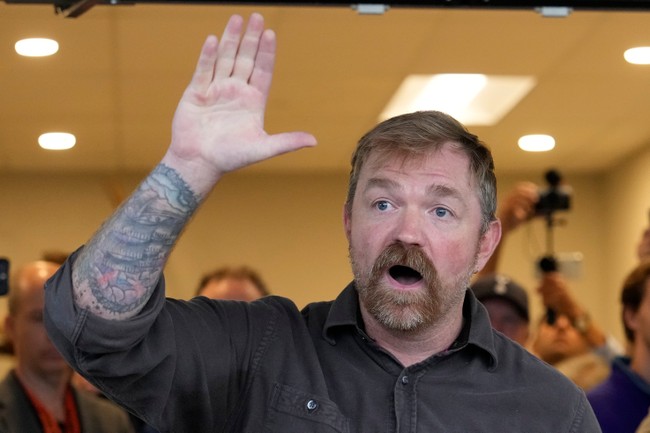
But Platner’s controversial past has turned off some Mainers. An oyster farmer who’s never held elected office, his campaign was beset by scandal: a tattoo with Nazi overtones, unearthed Reddit posts and allegedly “unsettling” treatment of women. A majority of surveyed voters said his string of controversies has either called into question their support for him or made them disavow him entirely. And Collins is winning 10 percent of voters who would prefer Democrats take control of the Senate.
Considering the margin of error in the poll is at 4.8 percent, Platner and Collins are essentially tied. The numbers suggest this could be a long, expensive fight, with each side pouring resources into persuasion and turnout. The DNC’s investment in Platner reflects how high the stakes are, but it also raises the question of whether doubling down on a candidate with mounting controversies is a smart move.
There was also this: That second embed captures additional data points and reactions that underline the growing unease among voters who might otherwise back Democrats. Polling snapshots like these matter because they influence party decisions, donor behavior, and media coverage, all of which change the dynamics of a race faster than most campaigns can adapt.
Outside groups and party committees will be watching the calendar closely. The legal deadline for replacing a nominee in Maine falls in mid-July, and party operatives know the timeline constrains their options. If Platner were to step aside or be replaced, the logistics and optics would matter as much as the choice of a successor.
Meanwhile, the NRSC and other Republican-aligned groups are likely holding resources in reserve until that window closes. From their perspective the prudent move is to capitalize on a troubled opponent, not to overcommit before uncertainty resolves. If Platner stays in, Republican strategists see a pathway to keeping a vulnerable seat by focusing on character and steadiness.
Expect more digging, more local coverage, and more targeted ads in the weeks ahead as both campaigns test messages and voters digest the facts. Platner will try to shift attention back to policy, but in this race the headlines about his past keep gaining traction, and voters are signaling that such concerns matter even in a polarized environment.
https://x.com/AlexThomp/status/2071555433425182890
The practical upshot is that national Democrats face a real dilemma: defend a nominee with serious baggage or try to make a last-minute change and risk chaos on the ballot. Either option carries political dangers, and Republicans will press the advantage by contrasting Collins’s long tenure and record with Platner’s controversies and inexperience.
What happens next will hinge on whether additional revelations surface, how the parties react to the polls, and how independent and swing voters decide to break. The race is no longer a foregone conclusion, and both sides know that in a tight contest even small shifts in turnout or persuasion can be decisive.



Add comment