
Vice President JD Vance spoke in Bangor, Maine, focusing on federal efforts to combat Medicaid fraud and praising Senator Susan Collins for her consistent voting record and independent approach. He framed the fraud fight as part of protecting taxpayers and highlighted coordination with federal and former state officials, while contrasting Collins’ steadiness with the noise of the 2026 Senate race. Vance also criticized career absenteeism in Congress and pointed to concerns about the Democratic nominee’s background and behavior. This piece covers his remarks, the context in Maine’s Senate contest, and reactions around the state.
Speaking at Bangor International Airport as head of the Anti-Fraud Task Force, Vance emphasized the administration’s push to stop improper Medicaid payments, citing a specific figure of $46 million tied to autism services. He presented the effort as protecting programs meant for citizens, and he praised the local and federal partners who joined the event. Acting Secretary of Labor Keith Sonderling and former governor Paul LePage were noted attendees, underlining bipartisan state engagement in the issue.
Vance opened by explaining the moral case for enforcement, saying the government must look out for Americans and not criminal actors. He stated plainly: “I’m fighting to preserve the sense that Americans look after Americans. But you know who we don’t look after? We don’t look after fraudsters and we don’t look after people who have no right to be in the United States of America to begin with.” That quote framed the administration’s posture on fraud and immigration in the same breath.
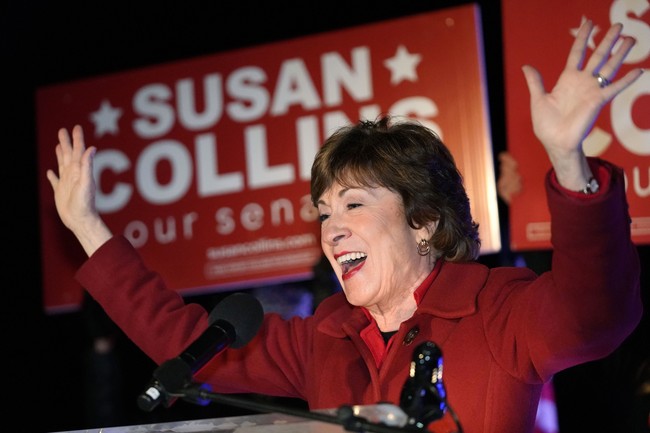
He acknowledged Maine Senator Susan Collins, who was not present because she was back in Washington casting votes. Vance said: “My friend and former Senate colleague Susan Collins was not able to be here. Susan is back in D.C., she doesn’t like to miss votes.” He used her attendance record as a contrast to members who skip critical votes and to underline the value of presence and responsibility in public office.
Vance complimented Collins for her consistency and reluctance to play rigid partisan roles. He offered this assessment: “Here’s the thing I’ll say about Susan Collins is, sometimes I get frustrated with Susan Collins. I almost wish that she was more partisan. But the thing I love about Susan is that she is independent because Maine is an independent state. And frankly, if she was as partisan as I sometimes wish that she was, she would not be a good fit for the people of Maine. So, let’s give a shoutout to Susan Collins who is doing a great job.” That praise highlighted a conservative appreciation for institutional duty over partisan theater.
The 2026 Senate contest in Maine is shaping up as a referendum on experience versus outsider appeal, and Vance used the event to draw a line between steady governance and headline-driven campaigns. Democrats have rallied behind Graham Platner as their nominee, creating a matchup that juxtaposes Collins’ legislative history with Platner’s profile as a former Marine and oyster farmer. Vance and others suggested voters should weigh governing records and consistency, not just activist energy or celebrity endorsements.
Vance and other speakers also raised serious concerns about the Democratic nominee’s conduct and online history, pointing to revelations that have drawn public scrutiny. They argued that a party quick to castigate others should be held to the same standards when questions of judgment or past behavior arise. These points were made to contrast perceived double standards in political accountability and to warn voters about how narratives are shaped during campaigns.
Throughout his remarks, Vance linked the fight against fraud to defending the public interest and preserving trust in government programs. He framed enforcement actions as practical steps to prevent abuse while freeing resources for legitimate needs. That theme kept returning to the idea that governance requires both integrity and oversight, and that elected officials should be accountable and present to serve their constituents.
The Bangor event doubled as a political moment, signaling national Republican support for Collins while keeping pressure on Democrats in Maine. Vance’s presence underscored how federal priorities—fraud enforcement, program integrity, and border concerns—can be tied to local races and messaging. For Republicans, the emphasis was clear: defend taxpayers, reward responsibility, and call out inconsistencies in opponents’ standards.
Vance’s comments and the surrounding debate in Maine show how national figures can shape local contests by highlighting policy enforcement and candidate contrasts. The conversation in Bangor mixed crime prevention and fiscal stewardship with a direct nod to electoral dynamics, putting Collins’ record and the Democratic nominee’s background side by side. Voters in Maine will see these themes reflected throughout the campaign season as both parties make their cases.
After the policy portion of the event, speakers returned to political themes and the optics of the Senate race, focusing on character and competence. Those remarks aimed to translate federal enforcement work into a broader narrative about leadership and trust in public office. The campaign in Maine will continue to emphasize whether independence and experience or insurgent momentum better serve voters in 2026.


Add comment