
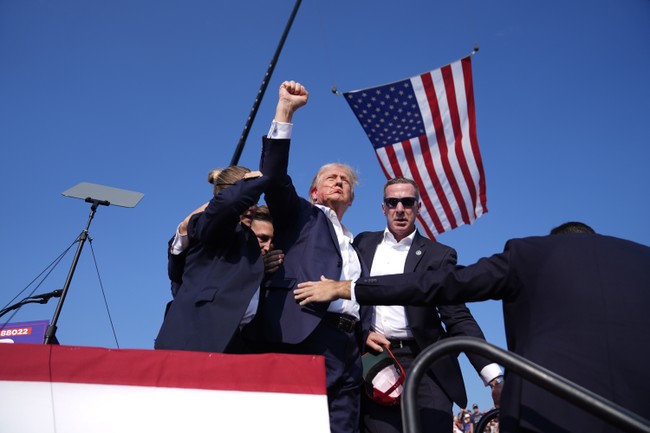
This piece examines the attempted assassination of Donald Trump in Butler, Pennsylvania, the unanswered questions about Thomas Crooks’ online footprint and motives, the gaps in official reporting, and why a fuller, transparent account is necessary for public confidence.
Nearly a year and a half after the shooting at a Trump rally in Butler, a lot about that day still feels unsettled. Thomas Crooks died at the scene after firing multiple rounds, and firefighter Corey Comperatore was killed. Two others—David Dutch and James Copenhaver—were wounded, and one round grazed President Trump’s ear, coming within an inch of a fatal blow.
The public image of that moment remains searing, and it has prompted persistent questions about how a known, troubled young man reached the point of attempting to take a prominent life. Authorities have said Crooks acted alone, but reporting and newly surfaced material suggest his online history is far richer and darker than has been acknowledged. That discrepancy matters because it speaks to whether agencies fully investigated warning signs.
Available records indicate Crooks tracked a strange and violent path online over several years, switching from pro-Trump posts to hostile rhetoric and targeted threats. His trajectory included explicit calls for violence and praise for mass murder, material that, according to people who reviewed his accounts, was visible to the public. Those patterns, if accurate, should have raised red flags well before the attack.
Some accounts uncovered by researchers show Crooks posting under his real name for years, expressing extremist ideas, violent fantasies, and direct threats toward politicians. Those who dug deeper identified multiple platforms where he left a trail—places like YouTube, chat apps, payment apps, and hobby sites—creating a patchwork of activity that paints a far different picture than a lone, isolated actor appearing out of nowhere.
One analyst summarized the concern plainly: “The danger Crooks posed was visible for years in public online spaces. His radicalization, violent rhetoric and obsession with political violence were all documented under his real name. The threat wasn’t hidden.” That observation raises straightforward questions about detection, reporting and follow-up by authorities and platforms alike.
Chronology in Crooks’ online behavior shows a dramatic shift. At one point he called Trump “the literal definition of Patriotism” and targeted Democratic representatives with threats, then later flipped to intense criticism of Trump, news outlets and Republican arguments about election practices. Switching loyalties does not excuse violent planning, but it complicates any portrait of motive and intent drawn after the fact.
Of particular note is a post from Aug. 5, 2020, in which Crooks wrote: “IMO the only way to fight the gov is with terrorism style attacks, sneak a bomb into an essential building and set it off before anyone sees you, track down any important people/politicians/military leaders etc and try to assassinate them.” That language is chilling because it articulates tactics and targets long before the July 13, 2024, attempt.
Those findings allege omissions in official briefings and the final congressional report released in December 2024. Critics say whole swaths of Crooks’ activity, especially his ideological backflip in early 2020 and the months he went dark, were not included or fully detailed. If true, those omissions are not merely clerical; they affect the story citizens are entitled to hear.
The internet profiles described by investigators included strange personal details, unusual interests, and interactions with known extremists. Accounts referenced furries, gender experimentation, and pronoun declarations while also connecting to figures who celebrated violent ideologies. That odd amalgam underlines how modern radicalization can be messy and crosscutting, defying tidy boxes.
Whatever motive pushed Crooks to climb a rooftop with an AR-15-style rifle and fire at a former president, the public deserves clarity on the warning signs and the steps—or failures—that allowed it to happen. An assassination attempt on a presidential figure is a national security and law enforcement failure if preventable indicators were ignored. Transparency is the only remedy to avoid repetition.
President Trump returned to Butler months later and addressed supporters in his characteristic style, underlining that public life moves on even after violence. Still, the need for a thorough accounting of the lead-up to the shooting remains. Families, citizens, and anyone concerned with public safety should expect a full, unvarnished explanation of institutional actions and oversights.
We must understand how a young man with a long and visible online trail reached a point of nearly succeeding at murder. Only a clear, detailed public record that addresses gaps and answers hard questions can restore confidence that agencies will detect and act on threats next time.


Add comment