
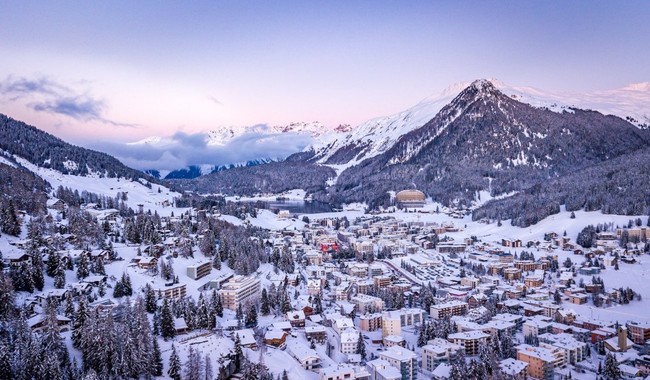
This article looks at how Davos shifted focus from climate alarm to near-term economic threats, reports survey results showing climate slipping in priority among global elites, and notes that everyday voters are more worried about pocketbook issues than carbon emissions. It examines the World Economic Forum’s survey findings, Ipsos polling, and reactions suggesting that elites and voters are out of step, while preserving quoted excerpts and original embeds.
The World Economic Forum’s annual gathering in Davos is supposed to be about the global economy, and this year it acted like it. Climate rhetoric took a back seat as attendees and survey respondents cited economic risks like geoeconomic confrontation, inflation, and potential asset bubbles as more pressing. That is exactly what an economic summit should be focused on, and many Americans would welcome the shift toward practical financial concerns over ideological crusades.
A recent article at Climate Change News discussing this week’s 2026 World Economic Forum (WEF) meeting in Davos, Switzerland worries that climate change is no longer a high priority for the attending global elites, while also attempting to reassure readers that the topic hasn’t disappeared entirely. It is true that climate change is dropping on the list of elites’ concerns, but it is not a bad thing. The attendees’ concerns are still wildly out of step with the concerns of average people who are impacted the most by the policies discussed and pushed at Davos.
The article, titled “Ahead of Davos, climate drops down global elite’s list of pressing concerns,” was written before the Davos event kicked off Monday, January 19, and focuses on a survey conducted by the WEF’s Global Risks Perception Survey of “experts” and leaders in advance of the meeting. This year, the survey found that for the first time in years, “climate change, pollution, and biodiversity loss have dropped down an international ranking of short-term concerns for high-profile business leaders, academics, and politicians,” as priorities shifted towards more concern over “economic risks like geoeconomic confrontation, economic downturn, inflation, and asset bubbles bursting.” (See the graph, below, from the WEF).
That WEF survey is notable because it measures what decision makers are actually worried about in the near term. When those running big companies and governments point to inflation, geoeconomic friction, and market instability, you should pay attention. Those issues translate directly into jobs, prices, and national stability, while climate policies often translate into higher costs and more regulations for consumers.
Here’s the chart:
There’s no denying that major environmental events can disrupt economies, but that is different from treating climate policy as the immediate, overriding national priority. A volcanic eruption or a sudden agricultural collapse would force policy responses, but everyday voters judge priorities by daily life: groceries, gas, and household budgets. When elites ignore those worries, they lose credibility, and right now the Davos crowd is at least appearing to refocus on pocketbook realities.
Ipsos, a market research company the WEF frequently uses, reports in their annual “What Worries the World?” survey that climate change barely makes the top 10 issues most people in the world are concerned about. (see the graph, below)
Here’s that chart:
The public’s priorities are plain: voters are far more worried about the price of eggs and energy bills than shrinking their carbon footprints. Politicians and technocrats who insist people must abandon stoves, cars, and familiar comforts to chase long-term temperature targets are out of sync with mainstream concerns. Americans care about practical prosperity first, and they are skeptical of policies that impose costs without clear short-term benefits.
There’s a cultural element, too. Heavy-handed mandates and moralizing about lifestyle choices breed resistance, not buy-in. People can accept sensible conservation and innovation, but they reject being lectured into poverty by distant elites who offer virtue-signaling policies while failing to account for ordinary households. That reaction explains why climate slipped in the rankings this year while inflation and geopolitical risks climbed.
The shift in Davos priorities may reflect a healthier, more realistic posture: focus on the economy where the consequences are immediate and tangible. Conservatives welcome attention to growth, energy security, and sensible regulation rather than one-size-fits-all climate mandates. If the World Economic Forum keeps economics at the center, policymakers will be better positioned to protect prosperity without sacrificing common-sense stewardship of resources.
Editor’s Note: Do you enjoy RedState’s conservative reporting that takes on the radical left and woke media? Support our work so that we can continue to bring you the truth.


Add comment