
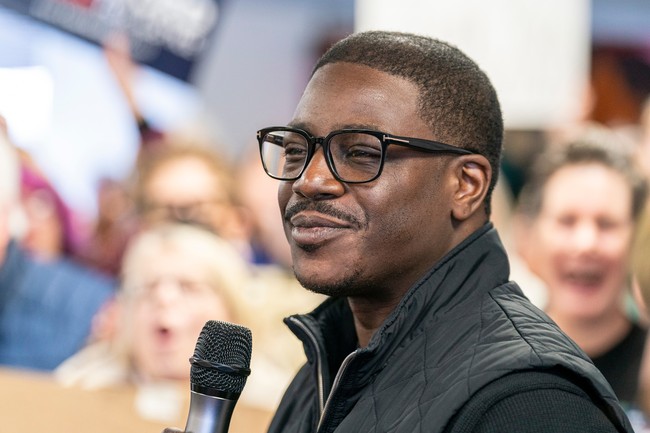
The Wisconsin Democratic primary ended in a surprise narrow win for Milwaukee County Executive David Crowley over DSA-backed state Rep. Francesca Hong, a result that underscores a bitter split inside the Democratic Party and hands Republicans a clearer path in the fall contest.
The race opened as a clear test between the party establishment and its left flank, with Hong running as the insurgent progressive and Crowley emerging as the compromise pick when establishment figures moved to block a socialist tilt. Polling had suggested Hong held a steady presence, but the final count showed Crowley ahead by roughly 3,000 votes as Decision Desk HQ projected him the winner with 95 percent reporting. That slim margin makes this one of those primaries pollsters will be dissecting for months.
Establishment panic played out publicly when Lt. Gov. Sara Rodriguez suspended her campaign after finance-reporting problems reduced her expected war chest. Rodriguez’s collapse briefly reshaped the contest and opened the door for Crowley to re-enter with high-profile endorsements, including support from the retiring governor. The scramble to consolidate moderate and centrist Democratic voters was rapid and effective enough to tilt the balance in Crowley’s favor, but only barely.
https://x.com/DecisionDeskHQ/status/2087424036519202911
Francesca Hong had the backing of the Democratic Socialists of America and ran as the candidate of the party’s progressive insurgency, drawing energized grassroots support and attention for her policy agenda. Her polling strength created genuine alarm among Democrats worried about a leftward swing in a purple state, and her campaign drew national interest as a potential bellwether for future primaries. Still, the establishment’s coordinated response showed it can still marshal resources to blunt that momentum when it counts most.
The result hands Republicans a clear matchup to exploit in the fall, where Crowley will face Rep. Tom Tiffany, the GOP nominee and a candidate aligned with former President Trump. For Republicans, the narrow Democratic victory is both an opportunity and a warning: a divided opposition offers openings, but a crowded, bruising primary could also produce weakened nominees come November. The general election will hinge on whether independents and suburban voters respond to competing messages about competence, economic policy, and public safety.
National Democrats had reason to be anxious throughout the contest because Hong’s rise would have signaled an increased appetite among Democratic voters for bold progressive proposals. Crowley’s win, however modest, signals that traditional party institutions still have leverage when they move decisively. That leverage was on display when establishment figures coalesced quickly behind a single alternative, validating the old political playbook: unify to stop a split or an outcome you cannot win from the center.
Pollsters now face questions about methodology and late-deciding voters after so many races this cycle have produced surprises. The roughly 3,000-vote gap in Wisconsin, contrasted with Hong’s earlier polling numbers, highlights how turnout models and likely-voter screens can misread enthusiasm and undercount specific demographic moves. Expect sharp focus on how surveys weighted urban versus suburban turnout and whether enthusiasm gaps were properly measured.
Wisconsin’s intra-party fight mirrors statewide struggles in other Midwestern battlegrounds where Democrats are wrestling with identity and direction. The party’s base is split between those who want pragmatic centrism and those pushing structural shifts on policy and rhetoric. That division will be central to both parties’ strategies as November approaches, with Republicans aiming to capitalize on Democratic discord while sharpening messages on border security, inflation, and law and order.
For Crowley, the immediate task is to pivot from a bruising primary to a general election campaign that can hold together the coalition that put him over the top. For Hong, the close result proves she has a durable constituency that could influence policy debates even from outside the governor’s office. Both camps will keep an eye on turnout patterns, early voting behavior, and suburban shifts that often decide statewide contests in Wisconsin.
The narrowness of the outcome also underlines a broader political reality: when parties fracture, opponents can exploit every weakness. Republicans now have a clear target and can frame the fall contest around Democratic disunity and policy extremes. The coming months will show whether Crowley can consolidate support and whether Democrats can translate internal victories into a unified front against their Republican rivals.
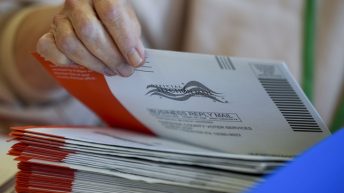
Analysts will study precinct returns and absentee ballots to understand where each campaign gained or lost ground, especially in Milwaukee and the surrounding suburbs that often swing statewide results. Campaign strategists on both sides will revisit messaging, field operations, and microtargeting that made the difference in a race decided by a few thousand votes. The lessons learned here are likely to ripple through both parties’ playbooks heading into November.
Add comment