
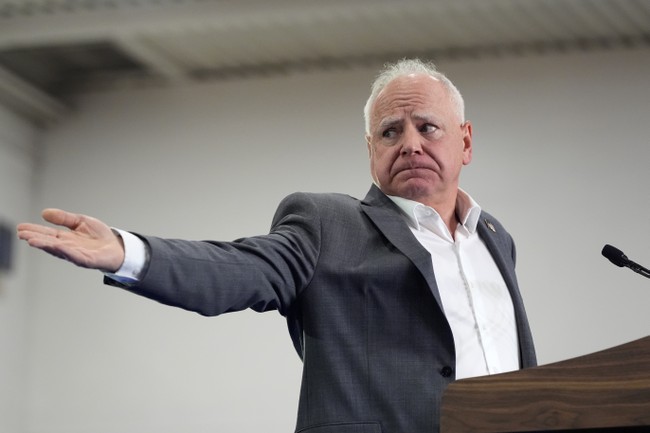
Minnesota Governor Tim Walz is facing intense scrutiny as a large-scale fraud investigation around child care funding unravels, drawing FBI involvement and viral reporting. A resurfaced debate clip and social posts in which Walz touted how easy it is to enter the child care business are now being used against him as investigators probe alleged “ghost” daycare schemes. This article breaks down the timeline, highlights key statements from Walz, and explains why Republicans see this as proof that oversight failed. The controversy centers on whether state policies that made enrollment and funding simple also opened the door to fraud on a massive scale.
The scandal erupted when a viral video exposing alleged “ghost” daycare centers drew more than 100 million views and renewed calls for accountability. Reporters and investigators highlighted how funds flowed to providers that may not have been legitimate, and that scrutiny quickly escalated beyond state agencies. The FBI signaled a surge of federal resources into Minnesota, elevating this from a state probe to a national concern.
Republicans argue this is a case study in what happens when good intentions meet weak oversight and poorly designed incentives. The core accusation is not against child care itself, which many agree is essential, but against a system that reportedly prioritized rapid expansion and generous funding without robust verification. Critics say those policy choices created perverse incentives and left taxpayers exposed to abuse.
Compounding the political fallout, a clip from a 2024 debate resurfaced in which Walz praised Minnesota’s approach to expanding child care and making it easy for providers to enter the market. The remark now looks tone-deaf given the allegations and the alleged scale of the fraud. That debate line is being replayed as evidence that state policy encouraged growth at the expense of accountability.
“We have to make it easier for folks to be able to get into [the child care] business and then to make sure that folks are able to pay for that. We were able to do it in Minnesota,” Walz said on stage as he proposed a federal paid family medical leave program.
That sentence is being cited repeatedly by conservatives who say it encapsulates the policy failure: an emphasis on expanding access and subsidies without the checks needed to prevent fraud. The political calculation Walz made on stage, to spotlight expansion and funding, is now politically costly because the system he touted looks vulnerable to exploitation. Opponents argue that being proud of making it easy to start a business is not the same as ensuring the integrity of taxpayer-funded programs.
Walz also promoted funding for child care on his social channels, and those posts have been used to underscore the administration’s focus on rapid expansion. Critics say social promotion of these policies matters because it reflects leadership priorities; when an administration celebrates expansion, oversight can become an afterthought. The optics are damaging when the celebration precedes allegations that billions may have been misdirected.
Federal involvement has intensified perceptions of seriousness and scale. The FBI’s decision to deploy additional assets, plus coordination with DHS and ICE in some instances, has Republicans pushing for thorough criminal investigations and prosecutions. Lawmakers on the right argue that this should trigger a larger reassessment of how federally backed or state-administered programs verify providers and disburse funds.
Walz’s defenders say the administration is now strengthening oversight and cooperating with investigators, but that message has limited traction among skeptics. The line that officials are “investigating” is treated by critics as the usual post-scandal playbook: investigate publicly while damage control happens behind the scenes. Conservatives want concrete steps, not just statements, and they point to the timeline to show such fixes should have been in place before the money flowed.
The political stakes grew because Walz was at one point considered for higher national profile roles, and Republicans note how different the fallout would be if similar problems emerged under a GOP administration. For conservatives, this is not just about Minnesota; it is about setting standards for federal and state partnerships on welfare and grant programs nationwide. The preference is for policies that balance access with strict verification to avoid repeating this kind of costly misstep.
Going forward, Republican lawmakers and commentators are pushing for legislative fixes that would tighten provider enrollment rules, require better proof of service, and impose stiffer penalties for fraud. They argue that common-sense measures can preserve access for legitimate providers while making it harder to exploit programs. The debate now is over whether Minnesota will lead reforms or remain an example of policy gone wrong.
As investigations continue and videos and posts from the campaign trail circulate, Walz faces a political moment where past statements are being measured against present allegations. For conservatives watching, the episode reinforces long-standing calls for accountability in means-tested programs and for policies that avoid rewarding hasty expansion without safeguards. The fallout will likely shape Minnesota politics and feed broader arguments about how to run taxpayer-funded social programs.


Add comment