
I will explain the situation in the Strait of Hormuz, summarize recent Iranian threats and mine-laying activity, report President Trump’s responses and claims of strikes, relay U.S. military statements about options for escorting ships, and outline the immediate strategic implications for global shipping and regional stability.
Iran has kept up attacks across the region, targeting Israel and U.S. military facilities, and has tested neighboring states with strikes on cities like Dubai and Bahrain. Tehran’s actions have included the use of drones and missiles that Saudi Arabia and Kuwait say they have intercepted or shot down. These strikes come amid broader, sustained pressure from U.S. and allied operations aimed at dismantling Iran’s capacity to project terror abroad.
Central to the current crisis is the Strait of Hormuz, a narrow but vital shipping lane through which a reported one-fifth of the world’s crude oil transits. Iran has threatened to restrict passage through the strait, and that threat has real economic consequences if the channel becomes contested. Reports indicate Iran has placed “a few dozen” mines there over the last several days, a clear escalation that risks major disruption.
Intelligence sources cited in reporting estimate Iran retains most of its small boats and mine-laying capacity, making it feasible for Tehran to lay dozens or even hundreds more mines if it chooses. The Islamic Revolutionary Guard Corps now plays a commanding role in controlling the strait alongside Iran’s conventional navy. One assessment described the channel as effectively closed since the start of hostilities and even likened transiting the area to moving through a “death valley” because of the danger.
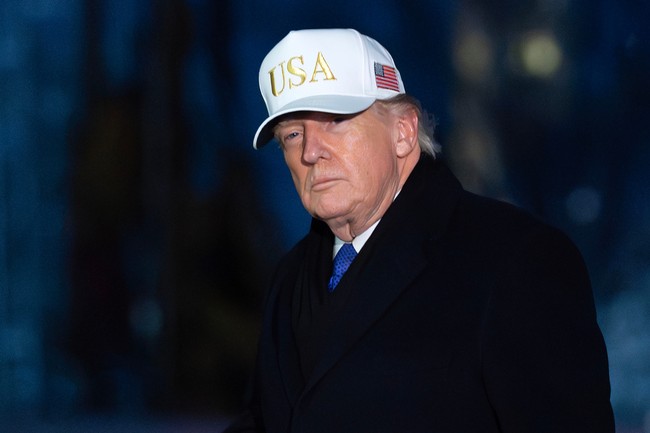
President Trump has reacted bluntly and publicly, warning Tehran that any interference with shipping will be met with overwhelming force. He said the U.S. “could do a lot” about the strait and added, “They’ve shot everything they have to shoot, and they better not try anything cute or it’s going to be the end of that country. … If they do anything bad, that would be the end of Iran and you’d never hear the name again.” That kind of direct, hardline rhetoric signals a readiness to use decisive military power to keep the lane open.
The president followed with an even sharper message aimed at any vessels laying mines: “will be dealt with quickly and violently. BEWARE!” Soon after, he posted that within hours the U.S. had “hit, and completely destroyed, 10 inactive mine laying boats and/or ships, with more to follow! President DONALD J. TRUMP” That claim of action is consistent with a posture that mixes public threats and immediate kinetic responses to stop further escalation.
CBS News has confirmed that U.S. intelligence has observed indicators of mine deployment in the strait, reinforcing the urgency of the situation. That confirmation matters because mines can deny access, disrupt global energy markets, and imperil merchant mariners and naval vessels alike. The presence of even a modest number of mines raises the stakes for commercial shipping and energy security across the globe.
At the Pentagon, military leaders made clear they are studying a spectrum of options to restore safe passage, including escorting merchant ships through the waterway. In a press briefing, Chairman of the Joint Chiefs General Dan “Raizin'” Caine said they were considering “a range of options” and would set military conditions to allow escorts if tasked to do so. The idea of armed escorts would be a robust response that directly counters Iran’s effort to choke international shipping lanes.
From a strategic standpoint, allowing Iran to weaponize that chokepoint would be catastrophic for global commerce and for allied credibility. A swift, forceful U.S. response aims to prevent a small escalation from becoming a regional shutdown that drags in Russia, China, and other actors. The current posture makes it clear this administration prefers action over weeks of empty warnings, and it is prepared to use military power to keep trade routes open and punish attempts to close them.
The situation remains fluid and dangerous; mines and small boat tactics are asymmetric tools that can inflict outsized harm. What happens next will hinge on Iran’s calculations and on whether U.S. and allied forces choose to escalate further to deny Iran the ability to disrupt the strait. For now, the message from Washington is blunt and unmistakable: the shipping lane must remain open, and those who try to close it will face severe consequences.


Add comment