
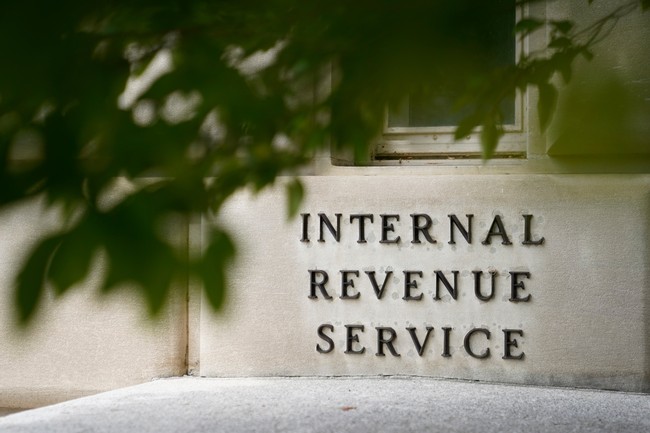
The White House press secretary laid out mid-tax-season numbers showing millions of Americans claiming new tax breaks under the One Big Beautiful Bill, and taxpayers are seeing larger refunds and targeted relief for workers, seniors, and families; this article reviews those figures, notes some limits in the law, and considers how the administration is using the rollout as a political talking point. It’s a .
At a briefing with the White House press corps, Press Secretary Karoline Leavitt highlighted data from the Treasury Department about this season’s filings. She emphasized the reach of the One Big Beautiful Bill and the parts of the tax code it altered to deliver relief. The numbers she shared suggest a real-time impact on ordinary taxpayers across multiple categories.
The Press Secretary reports:
Americans are going to start benefitting from the fruits of President Trump and Republicans’ labor through the passage of the One Big Beautiful Bill, and these historic tax cuts. We are midway through tax season, so just to provide an update from the Treasury Department, that just went out moments ago, nearly 63 and a half million tax returns have been processed thus far. 45 percent of the anticipated total number of tax returns by April 15th, so don’t forget to file your taxes, people. And the average refund this year is more than $3,700. We know that more than 27.5 million individuals who have filed their tax returns thus far, have claimed at least one of President Trump’s new tax cuts.
Over three and a half million returns have claimed no tax on tips. Over 15.5 million returns have claimed no tax on overtime. Over 9.2 million returns have claimed the enhanced deduction for seniors. And over 690,000 returns have claimed no tax on car loan interest, and another amazing statistic, nearly 3.5 million Trump Accounts have been opened for children in our country thus far. So we look forward, I know the Treasury Department continues to look forward to seeing these checks go out the door and into the pockets of hardworking Americans, and the president will be meeting with them himself tomorrow on the road in both Ohio and Kentucky, and we look forward to seeing you all there.
The topline figures are eye-catching: processed returns approaching two-thirds of expected filings and an average refund above $3,700. Those averages hide variation, but they do signal that many households are seeing meaningful cash back this season. The administration is framing those totals as proof the policy is performing.
Digging into the specifics, the tax code changes targeted several common pain points. Millions reportedly claimed relief from taxes on tips and overtime, while millions more took advantage of enhanced deductions for seniors. The new provisions for certain loan interest and child-focused savings accounts were also cited as benefits reaching a broad swath of filers.
That said, some provisions come with limits that matter in practice. For instance, the deduction for auto loan interest applies only to showroom-new purchases, which leaves buyers of recent used vehicles out of luck. Taxpayers who bought slightly older used cars or financed private sales will not see the same benefit, and individual experiences will vary widely depending on timing and circumstances.
There’s also the perennial reality that refunds themselves are not a pure gain in economic terms. A large refund typically reflects over-withholding during the year, meaning the government held a taxpayer’s money interest-free. While a bigger refund can feel like a windfall, financial advisers often recommend aligning withholding more closely to actual tax liability so people keep more of their money during the year.
Still, for many voters, the perception of extra cash landing in paychecks or refunds matters politically. The administration is positioning these results as validation of its economic strategy, and that message is especially potent ahead of elections where pocketbook issues are decisive. Having tangible examples of tax relief makes for an easy talking point on the campaign trail.
There are practical hurdles as well: taxpayers and preparers are adjusting to new rules, which can produce confusion and delays. The IRS and Treasury will need to keep communicating clearly so filers understand eligibility and documentation requirements. Smooth implementation will determine whether the headline numbers translate into sustained public approval.
For individuals thinking about next steps, the obvious takeaway is to confirm eligibility for the new breaks and to consult reliable guidance when filing. Many filers will see direct benefits this year, but the structure of those benefits and the timing of refunds can differ depending on how withholding and credits were handled throughout the year.
From a political standpoint, the administration’s emphasis on these tax-season figures is straightforward: economic wins are persuasive, and delivering relief to workers, seniors, and families is an effective way to reinforce that message. Expect the White House to keep spotlighting these numbers as the season progresses and as they take the case on the road in Ohio and Kentucky.
Editor’s Note: The 2026 Midterms will determine the fate of President Trump’s America First agenda. Republicans must maintain control of both chambers of Congress.


Add comment