
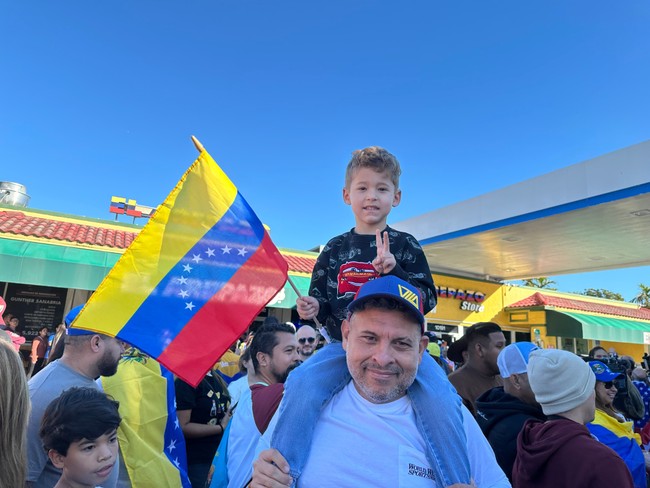
The January 3 raid that toppled Nicolás Maduro set off a major geopolitical ripple with implications for China, Russia, Iran, Cuba, drug trafficking, and the global oil market, and if the U.S. can turn this opening into lasting influence, the balance of power in the Western Hemisphere could shift dramatically.
The strike that removed Maduro’s grip on power is already reshaping strategic calculations across capitals. Beijing, which has poured money, military gear, and political support into Caracas for years, now faces an uncertain return on a vast investment in a once-secure partner. The article noted a visiting Chinese delegation is “wondering just what the .”
China’s footprint in Venezuela is massive and built around energy and infrastructure. Beijing extended more than $60 billion in loans tied to oil and projects, and its equipment and training have been central to Caracas’s military posture. Those ties bought China privileged access to Venezuela’s enormous oil reserves and a sympathetic partner for refining and shipping crude in ways that skirted international pressure.
The human side of the Chinese connection is striking. Hundreds of thousands of Chinese nationals have arrived in Venezuela over the past decade, a rise that has transformed communities and commerce. What began as a modest diaspora set has swelled into a presence large enough to alter local economies—and to attract scrutiny from intelligence and law enforcement analysts looking for patterns and influence operations.
Russia has also been a heavyweight backer, using Venezuelan ports for naval reach and pouring arms and financing into state oil enterprises. Moscow’s investments in PDVSA and weapons deliveries were intended to secure a foothold in the Americas and prop up an ideologically compatible regime. That relationship now risks heavy losses if Caracas pivots away from Russian contracts and technology.
Russia’s relationship with Venezuela stands out as particularly significant and contentious for the West. For years, Russia has supported the regime of Venezuelan President Nicolás Maduro, playing a crucial role in bolstering the socialist government and helping it resist a U.S.-backed coup led by opposition leader Juan Guaidó in 2019.
In addition to political support, Russia has provided military and economic assistance to Venezuela. Caracas is believed to have purchased billions of dollars’ worth of weapons from Russia, with the financing coming from loans granted by Russia. Furthermore, the Russian state oil company, Rosneft, has made substantial investments in Venezuela’s state oil company, Petróleos de Venezuela (PDVSA).
If a new government in Caracas repudiates or cannot honor those debts, Russian assets and influence could evaporate quickly. Foreign investors with capital and modern technology would likely supplant outdated Russian equipment, and military assistance from Moscow would become less relevant in a country seeking normalization with global markets. One policy idea floated by observers is to restructure Venezuela’s security forces toward a civilian coast guard and gendarmerie model to avoid the bloated, politicized military that enabled outside influence.
Iran has been an unexpected player, supplying refined fuels and serving as a financial partner in creative workarounds around sanctions. Tehran relied on Venezuelan cooperation to ship products and to launder money for Iranian-linked groups, leveraging Caracas as part of broader strategic maneuvers in the hemisphere. A break in that partnership would constrict Iran’s access to Western hemisphere logistics and revenue channels.
Cuba stands to lose a significant lifeline if Venezuelan ports shut down “dark fleet” transfers and clamp down on illicit shipments. For years, Caracas provided roughly 40 percent of Havana’s energy needs through a mix of overt and shadowy channels. A crackdown under a new Venezuelan leadership could accelerate shortages and political stress on the island regime.
The drug trade dimension cannot be ignored. While much U.S.-bound cocaine originates in Colombia, Venezuela has functioned as a major transit corridor, letting traffickers move product overland and to international shipping nodes. A cooperative Venezuelan government could push trafficking underground, enhance interdiction far from American shores, and raise costs and risks for Mexican cartels that rely on established routes.
All of this adds up to a rare strategic opening. But opportunity comes with uncertainty. Will Maduro’s former vice president and other defectors align with U.S. goals or pursue their own agendas? Can Venezuelan civil society, hollowed out by decades of authoritarian rule, muster the leadership and institutions needed to rebuild? And how will China, deprived of cheap, captive oil, respond to a major setback in an important regional ally?
The answers will determine whether this episode becomes a lasting geopolitical win or a fleeting moment. 2026 looks set to test whether the gains on day one can be turned into durable influence across energy, security, and the fight against transnational crime.

Add comment