
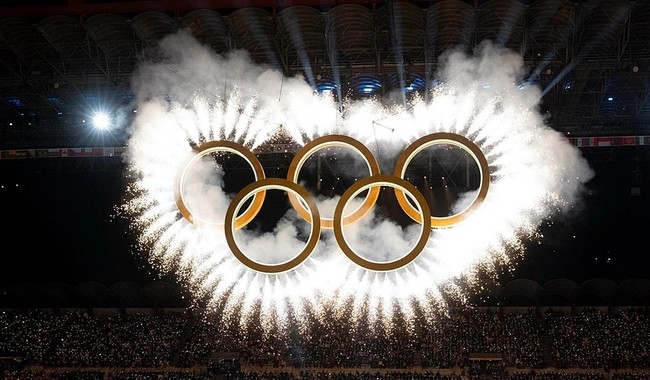
The piece recaps a controversy at the Milan Cortina Olympics where U.S. freestyle skier Hunter Hess criticized representing the United States, President Donald Trump responded sharply on social media, and teammates voiced differing views, with embeds of the relevant clips left in place for context.
At the Winter Olympics in Milan, Hunter Hess remarked that it was “a little hard” to be the face of the United States right now, a comment that quickly drew attention and criticism. He said he felt mixed emotions about wearing the flag and insisted that wearing the uniform did not mean he endorses every political choice the country makes. That line of thought flipped the script for many who see the Olympics as a rare, unifying stage for national pride. Athletes at an international level are often expected to represent their country in a way that transcends domestic political squabbles.
President Trump answered bluntly on social media, calling Hess “a real Loser” and arguing that if the athlete did not want to represent the country, he should not have tried out for the team. The president framed his response around the idea that public service and national representation carry a responsibility to fans and citizens who cheer for Team USA. In a short, pointed post he said, “U.S. Olympic Skier, Hunter Hess, a real Loser, says he doesn’t represent his Country in the current Winter Olympics. If that’s the case, he shouldn’t have tried out for the Team, and it’s too bad he’s on it. Very hard to root for someone like this. MAKE AMERICA GREAT AGAIN!” That line echoed with supporters who feel national symbols and teams shouldn’t be used for protest on foreign soil.
Hess delivered his comments during a press exchange in Milan, and his exact words were recorded in a news transcript. “During a news conference in Milan on Friday, Hess, a freestyle skier, said it was ‘a little hard’ to represent the U.S. and he felt mixed emotions.” He continued, “There’s obviously a lot going on that I’m not the biggest fan of, and I think a lot of people aren’t,” and added, “Just because I’m wearing the flag doesn’t mean I represent everything that’s going on in the U.S.” Those quotes directly express a personal conflict between national representation and private political views.
At the same event another team member, Chris Lillis, took a different tack and made his own criticisms, focusing on treatment and respect for people in the immigration and enforcement debate. “I think that as a country we need to focus on respecting everybody’s rights and making sure that we’re treating our citizens as well as anybody with love and respect,” Lillis said. He framed his remarks as aspirational, saying he hoped the athletes would reflect “the America that we’re trying to represent.” That sentiment sits in tension with the president’s message about unity and public symbols.
Readers will see the video contrast that followed in the original coverage, and an embed is preserved here to show the clip that drew wide reaction. Visual context matters: viewers decide for themselves whether an athlete’s comments feel like thoughtful critique or a poorly timed snub. Emotions run high at the Olympics, where national allegiance and personal conscience sometimes collide in public statements that spread quickly across social platforms.
Political reactions predictably split along familiar lines, and the immigration issue wound through the responses as a central grievance. The article framed Trump’s moves to tighten borders and enforce immigration laws as necessary fixes to what he calls an “illegal alien disaster bequeathed” by his predecessor, and it noted the left’s predictable pushback. For many conservatives and patriotic voters, athletes making political statements on the world stage is both unnecessary and unfair to fans who lose the simple joy of cheering without a political lecture.
There were also sharp personal reactions in the commentary, which described Hess as ungrateful for competing under the U.S. flag and enjoying American opportunities. The piece questioned why an athlete would use the Olympics to air broad political discontent instead of focusing on performance and country. That viewpoint reflects a larger conservative sentiment: when representing your nation internationally, public figures should prioritize national unity over partisan critique.
To be clear, athletes have the right to their opinions, and debates about free speech and patriotism will continue. But at a moment meant to celebrate athletic achievement, many feel it undermines the team and the country when competitors distance themselves from the flag they wear.

Add comment