
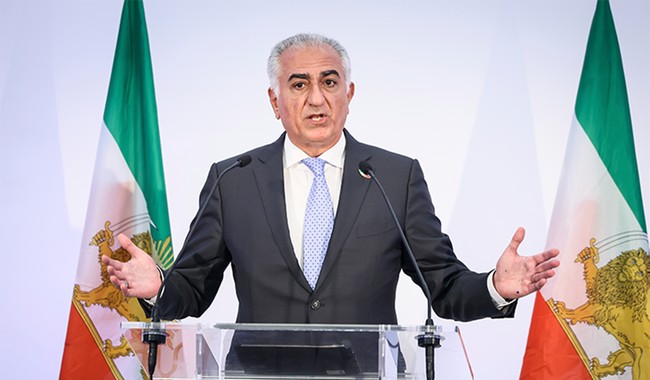
At CPAC 2026, Reza Pahlavi addressed an energetic crowd of Iranian Americans and conservatives, laying out a vision for a democratic, prosperous Iran and praising U.S. resolve under President Trump. He recalled protests, named atrocities by the regime, promised a plan for transition, and called for a decisive break so Iran can become a strategic partner rather than a threat. His remarks mixed emotion, concrete claims about casualties and economic opportunity, and direct praise for American actions aimed at weakening the Islamic Republic. The speech drew sustained cheers and reinforced hopes among many Iranian exiles and their allies that a democratic Iran could be within reach.
CPAC gathered conservatives focused on American strength and alliances, and Pahlavi’s appearance added an international, pro-freedom dimension to the convention. Thousands of Iranian Americans filled a hall, visibly moved, cheering when he spoke of restoring Iran’s liberty and global standing. He noted he had been under the weather but “to be a voice” for his people he had to come, and the response made clear how much hope many place in him. The atmosphere mixed patriotism, gratitude toward the U.S., and a hunger for concrete change in Tehran.
Pahlavi asked the audience to “close your eyes and imagine a free Iran. No more terrorism, no more threats, no more closing of the Strait of Hormuz. Imagine Iran promoting freedom for the U.S. and the world.” Those lines drew loud cheers and framed his pitch as both moral and strategic — a free Iran would stop exporting instability and become an ally. He suggested the transformation would flip chants of “death to America” into “god bless America,” a rhetorical swing meant to underscore the depth of the change he seeks. The crowd’s reception showed how compelling that possibility is for exiles and conservatives who want to see Iran reoriented toward the West.
He reminded listeners of risky candlelight vigils in Tehran after 9/11, saying “I have seen the true soul of my people,” and argued that Iranians fundamentally value life and liberty. Pahlavi pictured a future where Iran “exports engineers instead of bombs” and no longer menaces its neighbors, which would reshape the Middle East and create a new American partner. He emphasized Iran’s human and economic potential, noting a population of 93 million and outlining prospects for massive economic benefits from partnership. The crowd reacted strongly when he pledged friendship with Israel and promised regional stability if the regime falls.
Pahlavi did not shy from graphic allegations about the regime’s brutality, saying the state has a “legacy of religious intolerance” and that underground Christian communities face “ransacked” churches and lethal persecution. He recounted reports that beginning in January the regime has massacred 40,000 Iranians, hunted protesters in hospitals, and tortured and killed medical staff. He said parents were charged for bullets that killed their children and that the regime intentionally shut down the internet to hide atrocities. Those claims drove home his argument that the current rulers are irredeemable and must be removed from power.
He warned bluntly, “Iranians will not swap one tyrant for another. This regime will never be partners for peace. They will only lie and cheat if even a few of them are left in power. They will continue threatening, the same nuclear blackmail, the same cries of death to America. The regime cannot reform itself. Venom is in its DNA.” That quotation was met with sustained applause, and he urged a “clean break” rather than attempts to manage or reform the clerical leadership. Pahlavi credited President Trump’s firmness for creating an opening and praised operations he said were a result of American resolve.
He called for finishing the job begun by recent U.S. pressure, warning that if the Islamic Republic remains in any form it will continue threatening the region and the world. “Terrorists cannot be trusted to bring peace,” he said, and insisted that “the final blow will be delivered by Iranians themselves.” He vowed to call for renewed uprisings when the moment is right, framing his role as a catalyst and organizer rather than a foreign imposition. The crowd roared when he accepted the call to lead the transition “not to serve myself but to serve my nation and my people.”
Pahlavi unveiled a detailed transition blueprint he calls “The Iran Prospect,” urging America to “stay the course” and support the Iranian people’s final push for freedom. He predicted that rebuilding ties could yield enormous economic upside, even estimating a U.S.-Iran partnership that could generate one trillion dollars for the U.S. economy. He tied that promise to a broader civilizational renewal, saying 2026 could mark both America’s 250th birthday and “the year of Iran’s rebirth of our 2500-year-old civilization.” His closing line — “President Trump is making America great again; I intend to make Iran great again.” — summed up the rhetorical pairing of U.S. strength and Iranian renewal.
Many in the audience expressed gratitude to the United States and to President Trump, saying support from America matters deeply to their hopes for a free Iran. The speech was one of CPAC’s standouts, blending hardline realism about Tehran’s crimes with a forward-looking plan for democratic transformation. For conservatives who prioritize American security and pro-freedom foreign policy, Pahlavi’s message fit cleanly with the idea that U.S. strength can create openings for liberty abroad. The reaction made clear that among many Iranian Americans, hope remains tightly linked to decisive American support and a clear path toward regime change in Tehran.
Add comment