
The article examines a recent incident in Oregon where a state representative publicly objected to a federal ICE operation that arrested alleged cartel members at an apartment used as a stash house near an elementary school, exploring the clash between local political posturing and federal law enforcement priorities.
Oregon found itself in the national spotlight when federal agents executed a high-risk operation targeting a unit described as a stash house connected to Tren de Aragua. Federal authorities say the operation led to arrests of multiple Venezuelan nationals accused of trafficking drugs, firearms, and ammunition intended for distribution in the Portland area. The proximity of the unit to an elementary school added fuel to an already heated local debate about public safety and immigration enforcement.
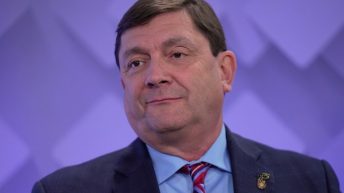
State Representative Ricki Ruiz publicly criticized the early-morning operation and urged residents to report ICE activity through community hotlines. Ruiz framed the operation as disruptive to a vulnerable neighborhood, noting that the school had to close for the day and that residents experienced noise disturbances. His social media post included phone numbers for legal and community assistance resources, which he presented as tools to protect residents’ rights.
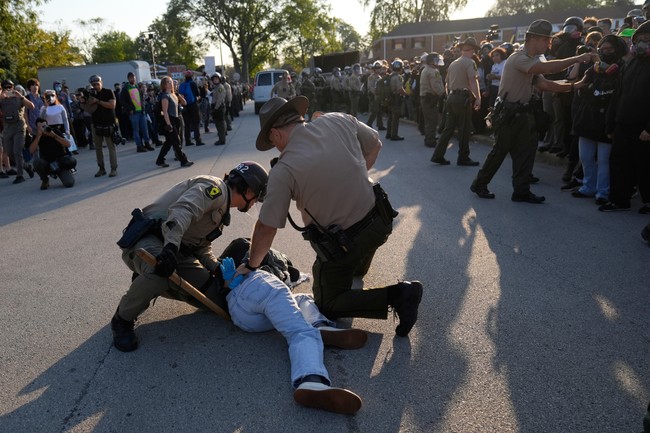
The high-risk operation began at approximately 6:00 am on October 24. Federal agents with the US Border Patrol Tactical Unit (BORTAC) breached the apartment unit upon the execution of a federal arrest warrant, resulting in the apprehension of Roberth Jose Hernandez Garcia, a Venezuelan Tren de Aragua (TdA) gang member who was caught selling illicit drugs, firearms, and ammunition during several undercover DEA operations spanning between September and October in the Portland area, court records show. Seven additional subjects, all of whom are Venezuelan nationals with suspected TdA affiliation and have criminal records, were also taken into custody at the apartment complex.
According to federal investigators, the Tren de Aragua gang members are believed to have arrived in Portland just over a month ago after fleeing Chicago due to increased immigration enforcement operations. The city of Portland, like Chicago, is a sanctuary for illegal immigrants.
There is a clear tension here between officials who emphasize community protection from federal tactics and those who prioritize strict enforcement of immigration and criminal laws. From a law-and-order perspective, the arrests targeted people alleged to be part of an international criminal organization trafficking in drugs and weapons. Allowing known cartel members to operate unimpeded in residential areas, especially near schools, poses direct risks to children and families in those neighborhoods.
We can confirm that there was a heavy ICE operation across from Rockwood Preparatory School, in the nearby apartment complex and surrounding area. The school had to close for the day due to the operation. While we cannot confirm if the helicopters were part of the same activity, we understand why many residents are concerned and have reported noise disturbances.
Witnesses reported over 10 vehicles arriving and targeting two individuals. Unfortunately, we expect to see more of these operations in the coming weeks. It’s important to remember that everyone still has rights — no matter what.
Please save these numbers:
PIRC Hotline: 1-888-622-1510 — to report ICE activityECO: 1-888-274-7292 — for legal help and guidanceThese are not normal times. When a school in the heart of Rockwood has to cancel classes without notice and a community is left in crisis, it’s clear that these tactics are meant to create fear in one of our most diverse and vulnerable neighborhoods. We will continue to monitor the situation closely and work with our partners to ensure our community stays informed and protected.
Local political leaders who rush to criticize federal action must reckon with the facts of the arrests and the evidence federal investigators say they compiled. If an apartment is being used to store and distribute illegal drugs and weapons, the primary obligation of government should be to protect residents, particularly children who attend the nearby school. Political optics cannot be allowed to shield criminal networks that prey on communities.
There is also a broader policy question about sanctuary practices and how they affect public safety. Cities that prioritize noncooperation with federal immigration enforcement can inadvertently create safe havens for criminal elements, which strains law enforcement at every level. Voters deserve clear answers about which policies prioritize families and which policies provide cover for criminal activity.
This episode underscores the clash between local political messaging and federal responsibility to enforce laws against cartels and trafficking networks. Elected officials who object to operations that remove dangerous criminals from neighborhoods should explain how their stance protects children and families. The community needs solutions that reduce crime, secure schools, and restore trust in public safety institutions.


Add comment