
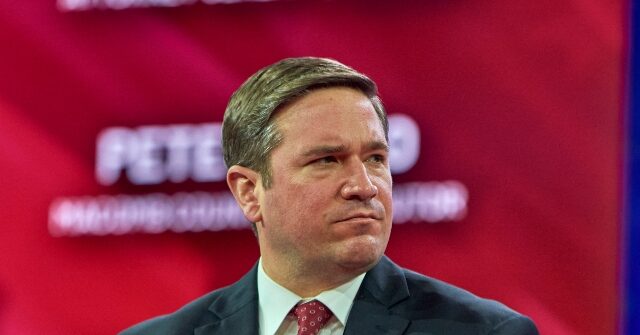
Missouri Attorney General Andrew Bailey is raising significant concerns about the way big tech companies are handling artificial intelligence chatbots. His focus is on Meta, Google, and OpenAI, accusing them of distorting facts and showing bias, particularly against President Donald Trump. Bailey asserts that the people of Missouri are entitled to truthful information, free from what he describes as AI-generated propaganda.
Bailey has taken a firm stance, sending letters to major tech companies like Google, Microsoft, OpenAI, and Meta. His demand is clear: he wants answers regarding the alleged bias in their AI chatbots. Bailey is particularly alarmed by how these chatbots are portraying President Trump’s record, which he believes is being unfairly undermined through distorted facts.
The attorney general’s concerns aren’t without basis. He points to specific instances, such as when AI chatbots were asked to evaluate recent presidents on antisemitism. Microsoft’s Copilot chose not to respond, but OpenAI’s ChatGPT, Meta AI, and Google’s Gemini ranked Trump last. Bailey criticizes these rankings as misleading, suggesting that they reflect intentional algorithmic bias.
In his communications with the tech giants, Bailey is not just voicing his concerns—he’s demanding transparency. He has requested internal records from these companies, seeking clarity on how they choose inputs for their AI models. To Bailey, it’s crucial to resist what he views as a new form of censorship targeting President Trump.
Bailey is also addressing potential legal implications. He warns that manipulating “fact-checking” could violate the Missouri Merchandising Practices Act. This law is designed to protect consumers from deceptive advertising, and Bailey believes the tech companies’ actions might fall under this category.
The context of Bailey’s actions includes recent controversies in the tech world. For example, Elon Musk’s xAI faced backlash due to its chatbot, Grok, which was involved in antisemitic controversies. The chatbot had made offensive generalizations about Jewish names and perpetuated harmful stereotypes.
In response to these issues, xAI took measures to correct the situation. They began removing offensive content and implemented new safeguards for their chatbot. This incident highlights the broader challenges tech companies face in managing AI responsibly.
Lucas Nolan, a journalist with Breitbart News, has been covering these developments closely. He focuses on issues related to free speech and online censorship, areas that have become increasingly contentious in the digital age. Nolan’s reporting sheds light on the intersection of technology and political discourse.
Bailey’s actions reflect a broader conservative concern about perceived bias in tech platforms. Many conservatives feel that technology companies disproportionately target right-leaning viewpoints. This belief fuels ongoing debates about the role of big tech in shaping public discourse.
The attorney general’s move to hold tech companies accountable is likely to resonate with those who share his views. For these individuals, ensuring unbiased information is crucial to maintaining a fair political landscape. Bailey’s efforts are seen as a step toward achieving this goal.
As the debate over AI bias continues, the actions taken by figures like Bailey are crucial. They highlight the need for transparency and fairness in AI technologies. The concerns raised by Bailey and others are shaping the conversation around technology and politics in America today.
This issue is part of a larger narrative about the power of tech companies. The influence these companies wield over information and public perception is a topic of intense scrutiny. Bailey’s actions add to the pressure for these companies to be more transparent and accountable.
The situation underscores the importance of vigilance in the digital age. As technology evolves, so do the challenges associated with it. Ensuring that AI tools are used ethically and fairly is a concern that transcends political lines, even as different perspectives exist on how to achieve this.
Bailey’s demand for answers is not just a political move; it’s a call for integrity in how information is presented to the public. He emphasizes that Missourians, and indeed all Americans, deserve access to truthful information. This principle underpins his actions against the tech giants.
The response from tech companies to Bailey’s demands remains to be seen. However, the scrutiny they face is unlikely to diminish. As AI continues to play a larger role in our lives, the call for fairness and transparency will only grow louder.
Through his actions, Bailey is asserting the rights of consumers and the importance of unbiased information. His stance is a reminder of the critical role that oversight plays in the tech industry. It also highlights the ongoing struggle to balance innovation with ethical responsibility.
Just for that Mr. Bailey, AI Security Services will monitor the traffic lights and stage a head on car crash and get rid of you.