
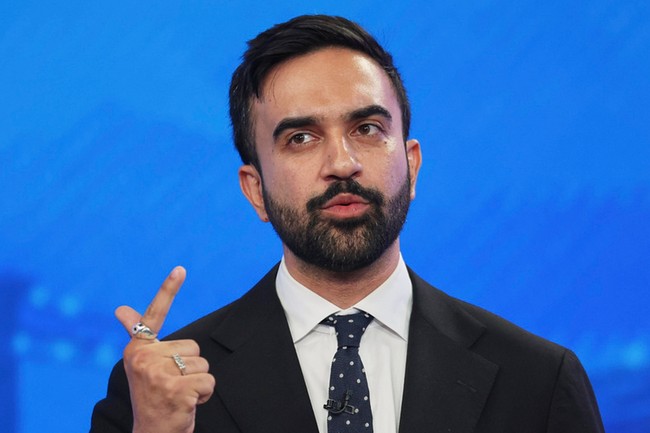
This article examines Mayor Zohran Mamdani’s recent controversies, focusing on his judicial advisory committee and the uproar over the apparent absence of Jewish legal professionals, while also touching on his other policy moves and statements that have stirred public concern.
Mayor Zohran Mamdani has become a lightning rod in New York City politics thanks to a string of headline-making decisions and remarks. From bold claims about confronting foreign leaders to domestic policy experiments, his tenure has drawn scrutiny from across the city. That scrutiny intensified when his new 18-member advisory committee on judicial nominations appeared to include no Jewish members, a fact many found striking given the city’s demographics.
Observers pointed out that Jews make up an estimated 10 percent of New York City’s population and a sizeable share of the local legal community. Some estimates put the share of Jewish lawyers in the city between 35 and 50 percent, which made the committee’s composition all the more noteworthy. The lack of Jewish representation prompted questions about whether the selection process reflected the city’s diversity as the mayor had promised.
The committee is split evenly by selection method: nine members chosen by the mayor and nine recommended by judges and law school deans, each subject to the mayor’s appointment. That system left room for debate over responsibility for the absence of Jewish appointees. Critics flagged one retired judge who had been recommended but reportedly not appointed, heightening suspicions about how choices were made and why some recommendations were declined.
Leaders from several Jewish legal organizations sent a formal letter to the mayor expressing their disappointment and concern. In part they wrote, “Your recent announcement of appointees to the Mayor’s Advisory Committee on the Judiciary has left us deeply disappointed.” The letter went on to say, “Not a single Jewish attorney, former judge or legal professional was appointed to a committee your administration described as one that would be ‘truly reflective of New York City.’”
That correspondence also named a specific recommended appointee who was reportedly rejected by the mayor’s office, which the letter described as particularly troubling because it worsened the committee’s lack of Jewish representation. The leaders referenced the rejection of a highly respected retired Appellate Division justice and called the move disconcerting given the circumstances. For many, the episode looked like more than a simple oversight.
Mamdani’s team offered an explanation for rejecting the recommended judge, citing the judge’s past representation of a high-profile defendant. The judge, for his part, said his firm had taken a defense matter on appeal, which he framed as part of standard legal practice. He also expressed hope that the absence of Jewish members on the committee was “not intentional,” leaving room for the administration to clarify its reasoning.
Beyond the advisory panel furor, other actions by the mayor’s office have fed into a broader narrative about outreach and sensitivity to New York’s Jewish community. Critics tied the committee controversy to previous decisions and statements that many Jewish New Yorkers found troubling, including the mayor’s handling of a definition of antisemitism and the omission of certain neighborhoods from official maps. Those events contributed to a sense among some residents that their concerns were not being fully addressed.
Political tensions around Israel and public commentary from Mamdani added fuel to the debate. The mayor publicly called Israeli Prime Minister Benjamin Netanyahu a “war criminal” and said, “we can examine every tool we have to defend the humanity and dignity of all people.” Shortly after that remark, a public stabbing incident occurred in Manhattan in which one victim was a Jewish man wearing a yarmulke, and the suspect reportedly shouted religiously charged exclamations during the attack. Such incidents pushed worries about antisemitic climate and safety into the spotlight.
The controversy has prompted responses from several advocacy groups and civic leaders who demanded answers and urged the administration to be more inclusive in appointments and messaging. The Anti-Defamation League and other organizations publicly raised concerns about the mayor’s rhetoric and choices, pressing for reassurance that Jewish New Yorkers will be represented and protected. Those calls reflect a broader demand for public officials to show consistent outreach to all communities.
Meanwhile, Mamdani’s other policy proposals have kept the mayor in headlines, from a proposed pied-a-terre tax to plans for government-subsidized grocery outlets promising discounts on staples. These initiatives have generated debate about fiscal priorities and the role of government in markets, and they have added context to the scrutiny over appointments. Together with the judicial panel dispute, these policy moves paint a picture of an administration under intense public examination.
City residents, legal institutions, and community groups are now watching for how the mayor’s office will respond to the criticism and whether changes will follow. Many expect clearer explanation and potentially corrective steps to ensure advisory bodies reflect professional diversity and community demographics. The coming days will test the administration’s ability to navigate these tensions while maintaining its policy agenda.
https://x.com/Elialbrecht/status/2082605737864253651


Add comment