
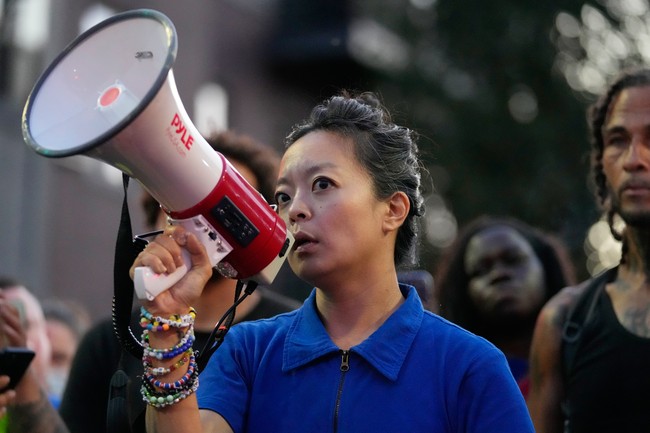
The Wisconsin primary exposed a broader political contest: cultural common sense versus fringe energy, and whether voters reward candidates who embrace American traditions or those who reject them. This piece examines how a viral Thanksgiving remark and similar cultural flashpoints shaped outcomes, how the Democratic Socialists of America influence the party, and what Republicans must do to offer a contrasting, optimistic vision that wins elections.
Voters reacted strongly when a candidate dismissed Thanksgiving as something to be “canceled,” and that reaction played out at the ballot box. The comment became shorthand for a larger complaint about a political faction that seems to scorn shared American rituals and the simple joys that bind communities. When a seasonally resonant gripe becomes a political liability, campaigns pay the price.
Thanksgiving is more than a date on the calendar; it is a ritual of gratitude and togetherness that transcends partisan lines. Families, friends, and communities use the day to celebrate common bonds, share food, and enjoy one another’s company. Attacking that ritual looks like an attack on the ordinary pleasures that many voters prize.
When the public learned about the 2021 social media post that called for canceling Thanksgiving, pushback was swift and sustained. The candidate in question tried to walk the comment back in a televised interview, but the damage had been done. In a tight primary, those cultural missteps can cost votes and reshape perceptions.
WATCH:
The DSA has energy and ambition, but much of its rhetoric rejects history, tradition, and the kinds of joy that resonate with mainstream Americans. Pushing a platform that treats shared culture as expendable alienates voters who want normalcy and positive civic life. When a movement’s public persona centers on grievance rather than opportunity, voters will look elsewhere for leadership.
LISTEN:
Comments from some DSA-aligned figures attacking institutions like sports as “toxically masculine” only deepen that divide. Sports, holidays, and other communal activities are cross-cultural glue, offering a few hours of relief and unity. Attacking those outlets signals a broader intolerance for common experiences that unite people across backgrounds.
https://x.com/FroemelAndy/status/2087396011022962813
This dynamic helps explain why a so-called moderate opponent could prevail in the primary. Voters often respond to candidates who sound like they understand what brings people together and who promise practical governance rather than ideological upheaval. A tone of gratitude and optimism is politically effective when contrasted with bitter, doctrinaire alternatives.
This commenter said it well:
Francesca Hong’s loss in the Wisconsin gubernatorial primary is a win for the Democratic Party and a win for America.
The Democratic Party must unequivocally condemn and reject the anti-American bigotry of the DSA and embrace a positive platform for building a better future for all Americans.
Some strategists insist the Democratic Party can marginalize the DSA and move on, but the relationship looks more embedded than they admit. The DSA’s influence extends into messaging and candidate slates in certain places, and while setbacks happen, the long-term trend requires attention. Republicans should not assume the faction will simply vanish from the political scene.
Republican candidates face a choice: respond only by shouting about socialism, or offer a credible, positive contrast that resonates with voters who want a better life. The successful approach channels an upbeat populism that links liberty, prosperity, and joy, while also laying out concrete policies to address pocketbook issues. Ronald Reagan’s example of optimistic conservatism remains a useful model for communicating hope and practical solutions.
On policy, Republicans must articulate how markets, individual freedom, and responsible governance increase opportunity and happiness for ordinary people. Messaging that emphasizes tangible relief from affordability pressures, better schools, and safer communities will land better than abstract anti-ideology warnings alone. A cheerful, competent pitch can undercut smug, punitive narratives from the left.
Voters who pushed back against fringe posturing in a primary want candidates who speak to their everyday lives and values. That means Republicans must be fluent in both culture and economics: defend shared traditions while proposing policies that expand opportunity. Winning will require equal parts optimistic vision and practical detail.
Do not mistake cultural victories for policy solutions; both matter. Campaigns that combine a joyful, aspirational tone with concrete plans to improve people’s lives will be hard to beat. The upcoming general election will test whether Republican candidates can convincingly offer that contrast and convert cultural momentum into votes.
Between Wisconsin, El Sayed’s razor thin margin in Michigan and the implosion of Platner in Maine, the perceived strength of the @DemSocialists is being exposed for what it is: superficial at best, contained to a handful of deep blue cities and congressional districts — and has it not been for @MalloryMcMorrow and her disaster of a campaign, Dems nationally would have them in the rear view mirror going into the midterms

Home-based job that pays more than 12,000 Dollar per month by doing simple tasks on a laptop or mobile device part-time. Last month, I earned 24,863 Dollar from this job by working 4 hours per day online. Very simple jobs to do, and the earnings are insane. Everyone can now make more money online by joining the website listed below…..
𝒋𝒖𝒔𝒕 𝒖𝒔𝒊𝒏𝒈 𝒕𝒉𝒊𝒔 𝒔𝒊𝒕𝒆.. Www.PayAtHome1.Com
She lost by one of the smallest margins ever and the winner is just as whacked as she is.