
The Department of Justice has indicted David Morens, a longtime senior adviser at NIAID, on charges including conspiracy, falsifying records, and concealing federal documents tied to the investigation of COVID-19 origins, alleging he used personal email accounts and coordinated with others to hide communications and suppress alternative theories during the pandemic.
The DOJ action names Morens for allegedly sidestepping Freedom of Information Act requests by routing official business through personal Gmail and concealing messages intended to restore funding to a research group labeled in the indictment as “Company #1.” Prosecutors say he exchanged non-public information with grantees and worked with co-conspirators to craft pushback against the lab-leak theory. Those moves, the indictment asserts, were designed to avoid official recordkeeping and public scrutiny during a national crisis.
Acting Attorney General Todd Blanche is quoted directly in the indictment’s public materials: “These allegations represent a profound abuse of trust at a time when the American people needed it most—during the height of a global pandemic,” and he added, “As alleged in the indictment, Dr. Morens and his co-conspirators deliberately concealed information and falsified records in an effort to suppress alternative theories regarding the origins of COVID-19.” Blanche emphasized that government officials must provide honest, well-grounded facts and not push personal or ideological agendas.
The charges, as outlined by prosecutors, include conspiring to defraud the United States and multiple counts for destruction, alteration, or falsification of records, plus concealment of federal records. The indictment alleges that Morens and others “agreed in writing to intentionally hide their communications” while trying to protect relationships and restore funding after certain grants were terminated. The document points to a coordinated effort to use private channels and delete or hide records that would otherwise become part of the federal record.
Sources tied to the case identify Co-Conspirator 1 and Co-Conspirator 2 in reporting and internal accounts as connected to EcoHealth Alliance and an NIAID FOIA official known informally as the “FOIA lady.” EcoHealth Alliance is described in the indictment as having been the only U.S. organization studying coronaviruses in China under certain grants, and that connection to the Wuhan Institute of Virology drew intense scrutiny once grant funding was cut. The indictment says Morens helped coordinate responses to that funding decision outside official systems.
According to the charges, after NIH terminated EcoHealth’s bat coronavirus grant, Morens and his co-conspirators used his personal email account to evade FOIA requests, share non-public NIH information, and try to reverse the funding decision. They allegedly drafted rebuttals to the lab-leak theory and funneled sensitive details back to senior NIAID officials while bypassing official preservation of records. Those actions are at the center of the federal case accusing them of obstructing transparency during a public-health emergency.
Very candid messages cited in the indictment undercut claims that official channels were always used. Morens reportedly wrote from his personal account on two occasions, saying, “I learned the tricks last year from an old friend, Marg Moore, who heads our FOIA office and also hates FOIAs” and “I learned from our FOIA lady here how to make emails disappear.” Those statements are presented by prosecutors as evidence of intent to conceal and to avoid formal disclosure responsibilities.
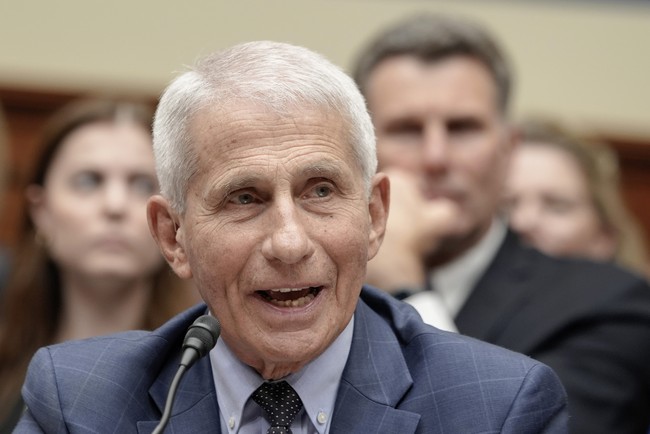
In public testimony that followed, Dr. Anthony Fauci sought to distance himself from Morens and described the title used for Morens as largely nominal, stating that Morens was not functionally an adviser on institute policy. Fauci’s testimony includes a detailed passage explaining Morens’ role and denying awareness of the conduct now under indictment. The indictment contrasts those denials with emails that suggest more direct coordination and awareness within the circles handling pandemic messaging and grants.
Dr. David Morens, whose title during my tenure as NIAID Director was Senior Advisor to the NIAID Director, has recently been investigated for conduct unbecoming a government official. Naturally, given his title, a connection is made to me. I knew nothing of his actions in assisting Dr. Daszak and EcoHealth Alliance or his conducting NIH business on his personal e-mail account or deleting emails to avoid FOIAs. Several years ago, Dr. Morens was transferred from a scientific division at NIAID to help me write scientific papers and review the scientific literature on infectious diseases. Following his transfer, we needed a title for him and the empirical title of “Senior Advisor to the NIAID Director” was chosen. It is important to point out for the record that, despite his title, functionally Dr. Morens was not an advisor to me on institute policy or other substantive issues.
The indictment highlights an April 21, 2021 email in which Morens told an EcoHealth Alliance leader, “there is no worry about FOIAs,” and continued, “I can either send stuff to Tony on his private gmail, or hand it to him at work,” he wrote. “He is too smart to let colleagues send him stuff that could cause trouble.” Those lines are central to the government’s portrayal of a deliberate pattern of routing sensitive information outside of official channels.
FBI leadership has spoken harshly about the alleged conduct, saying circumventing records protocols to avoid transparency will not be tolerated and accusing Morens of illegal obfuscation. Director Kash Patel is quoted as saying the FBI will pursue those who conspire against the United States until they face justice, and that alleged kickbacks were part of what investigators uncovered. The charges carry heavy penalties, including up to five years for conspiracy, 20 years for each count of destroying or falsifying records, and additional years for concealment counts.
Morens served as a senior adviser in various roles from 2006 through 2022, and the indictment is being framed by prosecutors and conservative commentators as a step toward accountability for how critical public-health information was handled. The case raises questions about recordkeeping, transparency, and the boundaries between scientific collaboration and official government responsibilities during a crisis.
Add comment