
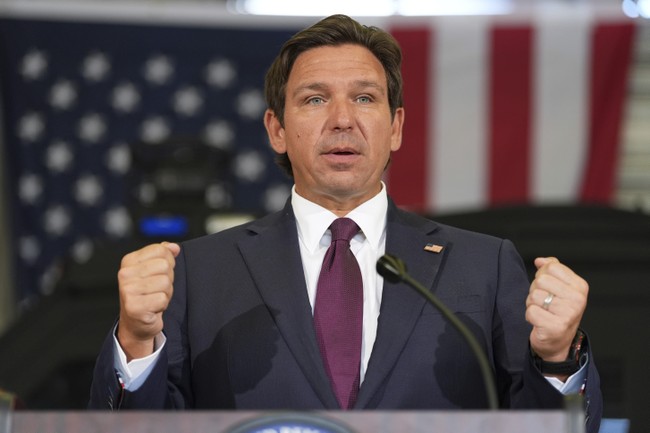
I’ll explain Gov. Ron DeSantis’s push to phase out property taxes, outline the fiscal tradeoffs involved, lay out how a sales-tax-heavy alternative would affect residents and tourists, and note the political stakes for Florida conservatives moving forward.
Florida Governor Ron DeSantis is proposing a ballot initiative to phase out property taxes over time, and conservatives are watching closely because this could reshape how the state funds local services. The aim is to give homeowners long-term relief as property values climb, a classic conservative move to limit taxation on ownership and incentivize investment. The plan is still in early stages, but the idea taps into a strong Republican narrative: reduce burdens on families and shift toward broader, consumption-based revenue.
The fiscal math is central to the debate and it’s not trivial. Property taxes currently generate substantial local revenue across counties, cities, and school districts, so any phaseout would require replacement funding or deep spending changes. Supporters argue the state can balance the books by broadening sales tax revenue while protecting essentials, keeping the tax code simple and fairer to homeowners.
According to the Florida Policy Institute (FPI), property taxes generate roughly $55 billion annually and provide around 18% of county revenues, 17% of municipal revenues, and up to 60% of school-district funding in many areas. The group warns that eliminating property taxes could force a dramatic increase in other revenue sources — in some estimates, raising the state sales tax from 6% to as much as 12%.
Those numbers matter, and conservative policymakers who favor a phaseout have to offer credible replacements that protect core services without loading costs onto working Americans. A shift toward sales taxes spreads the burden over residents and visitors, and it also captures spending by tourists who otherwise escape property levies. From a Republican perspective, broadening the tax base while lowering barriers to homeownership is a net positive for economic growth and personal freedom.
Florida’s current sales tax sits at 6 percent in most cases, with exemptions for food, medical items, and some industrial equipment. That existing framework gives policymakers room to adjust rates or refine exemptions to shield necessities for low-income residents while increasing overall revenue. Conservatives prefer this route because it incentivizes capital and property ownership, and it shifts more of the tax burden to consumption rather than ownership.
Tourism is a powerful wildcard in Florida’s fiscal picture, and it’s one reason this policy could work uniquely well in the Sunshine State. Tourists pay sales taxes on lodging, meals, and attractions, contributing to state coffers without adding to local property tax bills. Republicans point out that tourists effectively subsidize part of the state’s services under a sales-tax-heavy model, which helps keep costs lower for permanent residents.
Critics warn that rolling back property taxes could force painful adjustments at the county and municipal level, especially for school funding. Those are valid concerns, and any serious proposal must include clear transition funding or redesigned state-local financing formulas. Conservatives pushing this change will need to show how education, infrastructure, and emergency services remain fully funded during and after any phaseout.
Another conservative argument is that property taxes act as a wealth tax of sorts; as homes go up in value, owners can be hit with rising bills that don’t reflect their cash flow. Reducing that pressure supports long-term ownership and investment, particularly for retirees on fixed incomes who could otherwise be squeezed out of their homes. That effect resonates with GOP voters who prioritize property rights and fiscal predictability.
Implementing a gradual phaseout gives legislators, voters, and local governments time to adapt without triggering immediate chaos. A phased approach allows for revenue modeling, targeted protections, and adjustments to sales tax exemptions so the poor and middle class aren’t disproportionately affected. For Republicans, pacing the change is a pragmatic way to achieve tax relief while guarding essential public services.
The political stakes are real: success would be a big conservative win that cements DeSantis-style policy as viable at scale, while failure could leave the issue a cautionary tale. Floridians will debate tradeoffs, and Republicans will need to sell the benefits of ownership-friendly tax policy and a simpler, broader-based revenue system. Watch this space—if carried out well, the proposal could become a model for other red states looking to prioritize homeowners and economic growth.
Add comment