
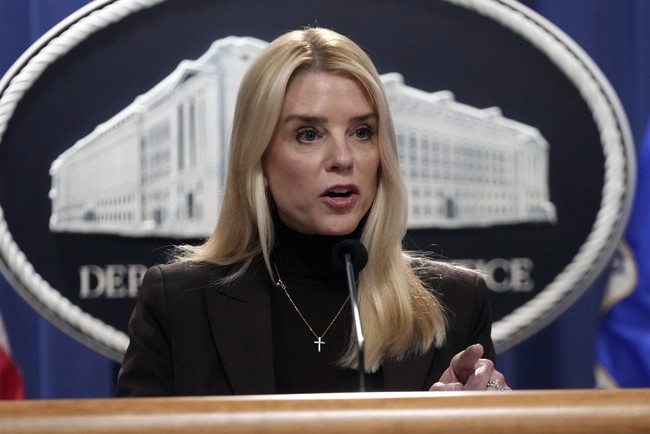
The House Oversight Committee has escalated its probe into the handling of the Jeffrey Epstein files, issuing a formal subpoena for former Attorney General Pam Bondi to testify about what was released and what remains hidden. Committee Chair Rep. James Comer demands answers about the Department of Justice’s compliance with transparency law, and several GOP members are pressing hard for clarity on missing documents and videos. This move follows months of public claims that all relevant materials were already turned over, and it intensifies scrutiny on whether victims and Congress have seen the full record. The subpoena sets a deposition date in April and puts the spotlight back on the DOJ’s handling of the Epstein investigation.
The committee’s subpoena letter says the panel needs Bondi’s testimony because she was responsible for overseeing the DOJ’s decisions on releasing files under the Epstein Files Transparency Act. Comer emphasized that the committee believes Bondi “possess[es] valuable insight into these efforts.” The letter frames this as a straightforward accountability step: if records or videos were withheld, the attorney general’s office should explain why and how those decisions were made. Republicans on the committee argue the process needs to be transparent to restore public trust.
“The Committee has questions regarding the Department of Justice’s handling of the investigation into Jeffrey Epstein and his associates and its compliance with the Epstein Files Transparency Act,” Chair James Comer (R-Ky.) wrote in the cover letter of the subpoena.
“As Attorney General, you are directly responsible for overseeing the Department’s collection, review, and determinations regarding the release of files pursuant to the Epstein Files Transparency Act, and the Committee therefore believes that you possess valuable insight into these efforts.”
Those words make it clear the committee is focused on process and oversight, not just headlines. The subpoena requests an April 14 deposition, and the committee expects Bondi to explain the DOJ’s document review, what was turned over, and whether any materials remain sealed. Republicans pushing this say answers are overdue, especially given persistent reports of missing items and alleged withheld evidence. The timing forces a public test of the DOJ’s claims that they already released everything required.
Rep. Nancy Mace, a Republican who has publicly identified as a survivor of sexual assault, has been a visible and vocal proponent of digging deeper into the files. Mace told reporters there are more than 65,000 documents and over 2,000 videos that have not been produced to Congress, and she accused Bondi of “obfuscating” the committee’s efforts. That contention has added pressure on the committee to subpoena Bondi and press for a thorough accounting. Mace and other GOP members argue victims deserve to see a full record and that Congress has a constitutional duty to investigate where the executive branch may have fallen short.
In pushing to subpoena Bondi, Mace accused the attorney general of “obfuscating.”
“There’s over 65,000 documents missing, and we know there are more than 2,000 videos that are out there. They’re not giving Congress all the information or all the documents, and they’re obfuscating. And I’d like to ask questions about that in our deposition,” Mace told reporters shortly after the vote.
The committee previously voted to move forward with a subpoena motion, with a bipartisan group advancing the effort to compel testimony and documentation. A handful of Republicans joined Democrats in that procedural vote, signaling that concern about the completeness of the record crosses some partisan lines. Still, this latest formal subpoena elevates the fight, turning questions about transparency into a legal obligation to appear and answer under oath. If Bondi fails to comply, the committee could pursue enforcement options to secure testimony.
Public interest in this case remains intense because of Epstein’s high-profile network and the seriousness of the allegations against him and his associates. Lawmakers on the Oversight Committee say they are not satisfied with assurances that “all” relevant materials have been released, and they want specific details about what was inspected, redacted, or withheld. The subpoena is a tool to get into the weeds: who made release decisions, which documents were excluded, and whether any non-governmental parties influenced the outcome. For victims and for Congress, those are not academic questions.
“Bondi and Blanche are set for a private briefing with the committee tomorrow. Their formal depositions are scheduled for April 14th.”
Wow
Bondi had not publicly responded to the subpoena at the time this was written, leaving the door open for a tense exchange when the committee convenes. Republicans making the demand say their goal is clear: establish the truth about what was turned over and ensure that legal obligations and victims’ rights were respected. The subpoena marks a significant escalation in congressional oversight and makes April a key date for anyone following the Epstein records controversy. How Bondi responds will shape the next phase of this investigation and whether additional measures will be needed to get full compliance.


Add comment