
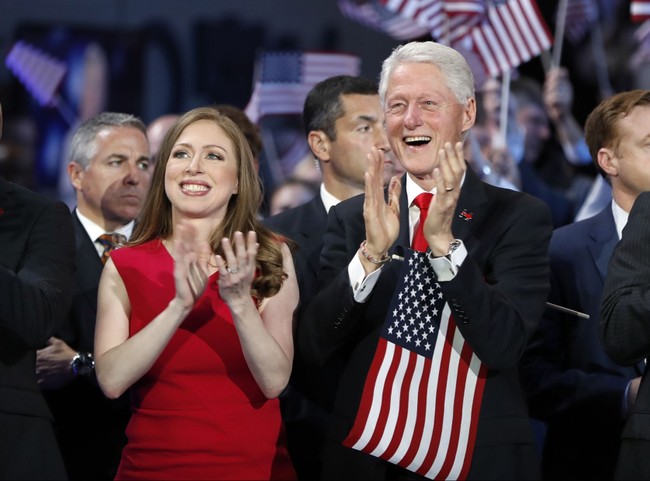
Chelsea Clinton waded into the debate over President Trump’s East Wing ballroom and got roasted for it, while reminders about the Clintons’ own White House controversies followed quickly, including fundraising stays in the Lincoln Bedroom, taken items later returned, and Monica Lewinsky’s scandal. The coverage turned into a frenzy, with press briefings dominated by questions about the renovation even though the East Wing is not a historical part of the residence. This piece pushes back on the outrage, recalls past Clinton-era conduct, and points out the mismatch between the current uproar and historical context.
Hoo Boy: Chelsea Clinton Jumps Into the White House Ballroom Debate, and She Really Shouldn’t Have
Knowing when to stay out of a fight is underrated, and Chelsea Clinton picked the wrong hill to climb on Thursday. She stepped into a story that has already exploded into partisan noise, and her comments made the conversation worse, not better. The reaction shows how heated even small White House changes have become in modern media and politics.
The current furor centers on photos of private donations being used to alter the East Wing and add what critics call a ballroom. Almost immediately, many Democrats and media figures framed the project as a symbolic threat to democratic norms. That claim feels overwrought when you step back and consider the broader history and the true scope of the alteration.
Some of the criticism leans into moral grandstanding, treating a renovation like a constitutional crisis. That tone is what made Chelsea’s comments so tone-deaf; if anyone should be cautious about lecturing on how the White House is treated, it’s a Clinton. The family’s time in the house included episodes that undercut any moral high ground they might claim now.
The most publicly infamous example is the Monica Lewinsky affair involving her father, then-President Bill Clinton, which remains one of the most remembered scandals in modern presidential history. That episode alone complicates any argument that the Clintons held the White House in particularly reverent regard. But the list of questionable acts from that era goes beyond personal scandal.
Reports from the Clinton years show the Lincoln Bedroom being used as a reward for major donors, with overnight stays offered in return for fundraising support. Other items from the residence were taken and later described as gifts, only to be returned after public pressure increased. Those actions made a mockery of the idea that the Clintons were especially deferential to the symbolism of the People’s House.
So when critics now claim the East Wing renovation is evidence of some new assault on democratic norms, the reaction is inconsistent with history. The East Wing is not part of the historic core of the mansion, and private-funded changes are hardly unprecedented in presidential residences. The outrage feels selective and politically timed rather than principled.
During a recent White House press briefing, roughly one-third of the reporters’ questions were about the ballroom, demonstrating how a single issue can crowd out more consequential topics. That narrow focus helps create headlines but does little to advance serious discussion about governance. The resulting frenzy is exactly the sort of spectacle that fuels public cynicism about politics.
At the same time, it’s worth noting that political figures will seize any symbolic moment to score points. Elizabeth Warren, Chuck Schumer, and other Democrats jumped into the fray quickly, turning a construction project into a moral outrage. That’s predictable in an era where optics often count for more than policy or precedent.
The Chelsea incident points to a broader lesson about political theater: those who have the least unblemished records are frequently the loudest in condemning others. Bringing up the Clintons’ past missteps isn’t about nostalgia or petty revenge; it’s about pointing out inconsistency. If you want to criticize a project in the White House, better to ground the argument in facts and context rather than performative moralizing.
Editor’s Note: The Schumer Shutdown is here. Rather than put the American people first, Chuck Schumer and the radical Democrats forced a government shutdown for healthcare for illegals. They own this.
Help us continue to report the truth about the Schumer Shutdown. Use promo code POTUS47 to get 74% off your VIP membership.



Add comment