
California Democrats on a Senate committee blocked a bill that would have stopped people on the state sex offender registry from running for elected office, carving exceptions and narrowing scope in ways that leave many concerned about public safety and accountability.
The Senate Elections Committee killed Assembly Bill 2753 after it passed the Assembly unanimously, leaving a clear contrast between the lower house and the upper chamber. The original measure sought to bar anyone required to register as a sex offender from seeking or holding local or state elected positions, a response to a case in Fresno that raised alarms. That unanimous Assembly vote shows the bill had broad initial support before it stalled in the Senate panel.
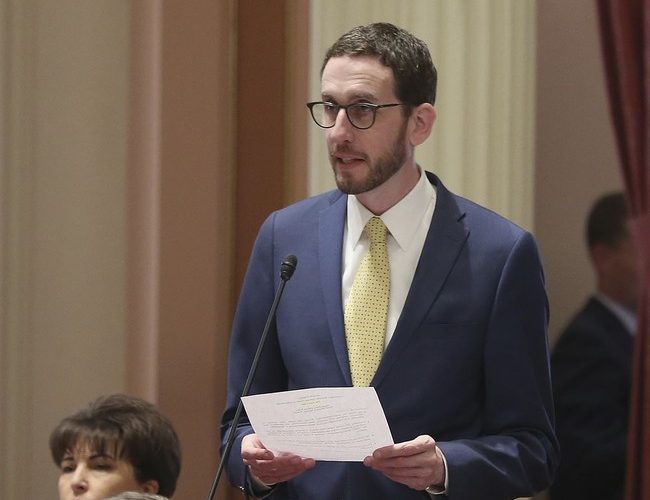
Committee Chair Scott Wiener played a decisive role in the bill’s failure, opposing the broad ban and pushing for a much narrower approach. Wiener argued the state registry sweeps in a wide range of offenses and that any restriction should target only Tier 3 lifetime registrants. His stance and vote left the bill short of the yes votes it needed, with two Democrats abstaining and Wiener formally opposing the broader measure.
The bill’s author, Assemblymember Esmeralda Soria, introduced AB 2753 after a registered offender, Rene Campos, tried to run for Fresno City Council following a no contest plea in 2018 to a misdemeanor for possessing child sex abuse material. Supporters of the bill said it aimed to close a loophole that could let people with convictions involving children run for school boards and other offices. The concern was straightforward: positions that influence schools and vulnerable populations shouldn’t be open to those with those records.
https://x.com/ZavalaA/status/2072028969801830713?ref_src=twsrc%5Etfw
While the broader ban failed, the committee advanced a different measure that was heavily amended and diluted, passing language that includes exemptions for certain felony sex crimes against children. Those carve-outs reportedly include crimes described as “rape and sodomy,” exemptions that many find troubling. For those who want robust protections for kids, seeing explicit exceptions for serious offenses feels unacceptable.
The committee’s move to narrow the scope was framed as avoiding unintended consequences for younger people involved in close-in-age relationships, what supporters called Romeo and Juliet situations. As Assemblymember Dawn Addis explained, “We didn’t want to unintentionally wrap in what’s known as Romeo and Juliet kinds of situations into this elections bill.” That language was used to justify exemptions, but critics say the net ends up letting too many people slip through.
Republican critics argue this outcome reveals priorities: protecting procedural technicalities and broad registry definitions over the safety and trust of communities. The debate exposes a philosophical split about who the registry is meant to track and how strict election eligibility rules should be. Voters expect elected offices to be off-limits to people convicted of serious sexual offenses, especially those involving minors, and they see today’s result as a failure to meet that expectation.
Soria reacted strongly outside the committee room, visibly upset by the bill’s defeat and promising to continue fighting for the measure. She said, “I’m extremely disappointed, and I feel like I’m still trying to process what we just saw,” and added, “I think the fight still continues. I made a promise to my community.” Those words underline that this fight is far from over and that advocates will press lawmakers to close perceived gaps.
The committee debate also touched on the technical structure of California’s registry, which assigns tiers based on offense severity and dictates registration length. Wiener and others emphasized that the registry can encompass a spectrum of offenses, and they argued any electoral ban should focus on the most serious, lifetime Tier 3 cases. Opponents counter that even a narrowed ban still leaves troubling scenarios where someone with a history of offenses can hold positions of trust.
Practical examples that spurred this legislation matter: a former Fresno candidate with a conviction tied to child abuse material sparked the push for change, and lawmakers on both sides acknowledged the emotional force of that case. For many voters, details like that change the calculus — allowing someone with that background into a school board race feels irresponsible. The narrow amendments and abstentions in the committee show a Legislature divided between legal technicalities and protective instincts.
The result in the Senate Elections Committee will now shape follow-up proposals and political messaging heading into the next legislative sessions and campaigns. Lawmakers who voted to water down the ban will face scrutiny from constituents who expected stronger safeguards, while proponents will keep pressing for broader protections. This episode highlights how legislative gatekeeping, committee dynamics, and individual lawmakers’ views can determine whether commonsense-sounding reforms see the light of day.
As the conversation continues, expect advocacy groups, parents, and community leaders to watch closely and make their voices heard on what standards should govern eligibility to hold public office. The policy questions are simple in nature: who should be allowed to lead locally, and how do we balance legal nuance with public safety? Until those questions get answered with firmer rules, voters will likely remain skeptical about protections for children and communities.

And these scumbags keep getting re-elected! Cali is lost!