
I’ll argue that Americans are moving past cultural pessimism, explain how entertainment ratings reflect that shift, point to the role of leadership and patriotism in the change, examine how corporate culture turned against traditional values, and show why the left’s persistent negativity is losing its grip.
America’s mood is changing and you can see it in small and big ways across culture and media. The pull away from cultural nihilism feels real, not just a trend but a deeper shift in what people want from entertainment and public life. Instead of endless critique and cynicism, many Americans are seeking optimism, pride, and a sense that our institutions can be reclaimed and improved.
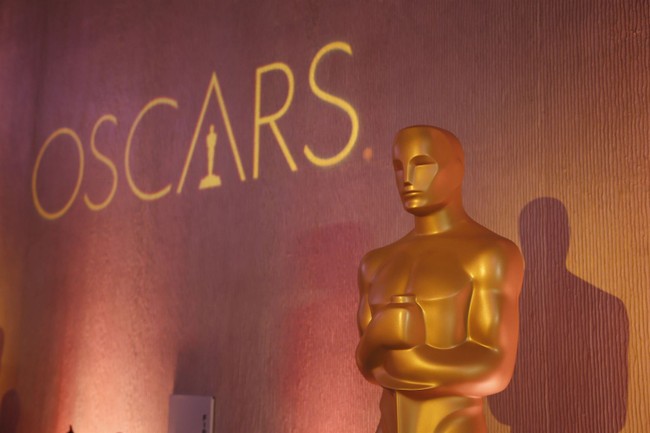
Ratings for major events are a blunt instrument, but they tell a story. The Oscars drew far fewer viewers this year, while an All-American halftime performance featuring mainstream country and rock artists racked up far higher viewership across digital platforms. Those numbers are symptomatic: people are voting with their attention and many are turning toward content that affirms rather than denigrates their identity.
That shift dovetails with a political narrative that rejects elite condescension and cultural scolding. Leadership that embraces an unapologetically American tone has helped make patriotism culturally acceptable again instead of something to be embarrassed about. When people feel they can be proud without shame, they reengage with institutions they once tuned out.
Hollywood and much of the left have spent years framing the nation as fundamentally flawed and in need of constant public confession. That posture wore thin. Repeated calls to deconstruct everything and to root out supposed offenses became a default setting, and audiences began to check out. Entertainment that once served as escape and celebration got recast as a vehicle for perpetual critique.
Corporate America followed the same pattern when activists and ideology spread through company culture. Brands started speaking in the language of grievance and reshaping products and stories to satisfy a particular political lens. As consumers grew tired of that monotone, some brands suffered significant losses in relevance and revenue, and a corrective started to take hold.
The culture wars are often framed as politics alone, but the fault line runs through institutions beyond elections. Media and entertainment are downstream of broader cultural assumptions, and those assumptions trace back to shared norms like faith, family, and community. When those foundations are affirmed again, cultural content changes to reflect renewed confidence rather than endless self-criticism.
Sunday night’s Oscars only racked up 17.86 million viewers on ABC and Hulu combined. That 9 percent drop from the 19.69 million recorded last year made the 2026 Oscars the least-viewed Academy Awards shows since 2022.
[…]
Unlike the Oscars’ floundering following, the first All-American Halftime Show, featuring artists such as Kid Rock and Lee Brice, garnered 25 million views across YouTube and Rumble.
That quoted comparison is striking because it pits two different visions of culture against each other: one that prioritizes insider prestige and another that prioritizes broad, popular appeal. Popular appeal won this round, and the consequences are about more than celebrity egos. They signal where attention and influence are migrating.
People are tired of being lectured. When the cultural elite insists that everything must be deconstructed and held up as a mockery or confession, it strips joy from art and public life. Audiences prefer media that respects their patriotism and their desire for meaning rather than repetitive moralizing from a narrow slice of the professional class.
That’s not to pretend every past problem is solved or that criticism has no place. But endless condemnation as an organizing principle drives away viewers, customers, and citizens. The recent trends suggest a recalibration: Americans want to celebrate what works, fix what’s broken, and stop treating national life as a permanent indictment.
Where this goes next depends on whether institutions respond by listening or by doubling down on the same posture that alienated people. If creators and executives pivot toward content that affirms common cultural touchstones, engagement will follow. If they persist in prioritizing ideological signaling over mass connection, the audience will keep walking away.
Ultimately, this is a cultural tug-of-war with political consequences, because culture shapes what people believe and what they demand from politics. The waning appetite for constant negativity opens space for narratives of renewal, gratitude, and national pride, and that shift is already visible in how Americans spend their attention and money.


If this is true, then everyone needs to show up on election day and vote the radical nitwits out.
Amen to that, Andy
Absolutely flush them OUT!!!