
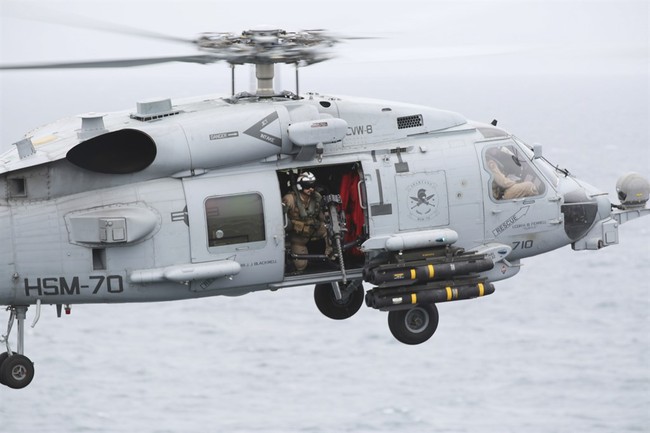
The U.S. Navy has stepped up operations across two strategic waterways, enforcing a new blockade of Iranian ports and taking custody of vessels alleged to be carrying sanctioned cargo, including a tanker seized in the Bay of Bengal and multiple interdictions in and around the Strait of Hormuz.
US Seizes Tanker Carrying Iranian Oil in Bay of Bengal, Turns Back Dozens of Ships in Strait of Hormuz
The U.S. Central Command says American naval forces have been actively policing the Strait of Hormuz after a blockade was declared, pushing back ships tied to Iran and its networks. The strait moves roughly 20 percent of global oil, so these moves are serious and calculated to choke off illicit maritime activity linked to Tehran. Officials report a large-scale effort that has directly affected the flow of sanctioned shipments and vessels attempting to skirt restrictions.
A CENTCOM statement cited the number of interdicted attempts as a sign the enforcement posture is real and sustained. “The U.S. Navy has turned back 27 ships attempting to enter or leave Iranian ports since an American blockade began about a week ago near the contested Strait of Hormuz, according to a New York Times report citing U.S. Central Command.” That figure underscores how many vessels were deterred from transiting to or from Iranian ports once the blockade took effect.
“The U.S. Navy has turned back 27 ships attempting to enter or leave Iranian ports since an American blockade began about a week ago near the contested Strait of Hormuz, according to a New York Times report citing U.S. Central Command.”
Beyond the Strait, U.S. forces intercepted a tanker in the Bay of Bengal identified as the M/T Tifani, which American authorities say was carrying Iranian oil. That seizure marks a cross-region enforcement effort, showing that the operation extends beyond immediate waters near Iran and into international shipping lanes where sanctioned cargoes may be moved. Officials are weighing options about custody and disposition, including whether to bring the vessel to U.S. jurisdiction or transfer it to other authorities for legal processing.
The administration also reported the boarding and seizure of a cargo vessel in the Gulf of Oman that tried to evade the blockade, described in official briefings as an escalation that followed attempted movement through the enforced zone. “A U.S. military official said on Monday that the most recent escalation involved the Iranian cargo ship Touska, which was disabled and seized by the Navy in the Gulf of Oman on Sunday after trying to evade the blockade, according to the report.” The ship had previous sanctions on it and raised alarms because of its alleged connections to illicit programs.
“A U.S. military official said on Monday that the most recent escalation involved the Iranian cargo ship Touska, which was disabled and seized by the Navy in the Gulf of Oman on Sunday after trying to evade the blockade, according to the report.
It marked the first reported attempt by a vessel to run the U.S.-imposed blockade since it took effect last week.
American officials are still deciding what to do with the disabled ship once a search of its cargo is completed, a U.S. military official told the Times on condition of anonymity, to discuss operations.”
The Touska was reportedly sanctioned back in 2020 for alleged ties to Tehran’s troubling programs, and its capture demonstrates how past designations can matter when enforcement is sustained. The vessel was described as having been flagged for links to those programs, and that history made its movement through the region more suspicious to naval commanders. That history is part of the rationale officials used to justify detention and further inspection.
A Pentagon-style statement in the reporting stressed that international waters will not serve as safe havens for sanctioned shipping and that global maritime enforcement will continue until illicit networks are disrupted. “As we have made clear, we will pursue global maritime enforcement efforts to disrupt illicit networks and interdict sanctioned vessels providing material support to Iran—anywhere they operate. International waters are not a refuge for sanctioned vessels. The Department of War will continue to deny illicit actors and their vessels freedom of maneuver in the maritime domain.” That language indicates a broad, unapologetic posture toward enforcement across oceans and choke points.
“As we have made clear, we will pursue global maritime enforcement efforts to disrupt illicit networks and interdict sanctioned vessels providing material support to Iran—anywhere they operate. International waters are not a refuge for sanctioned vessels. The Department of War will continue to deny illicit actors and their vessels freedom of maneuver in the maritime domain.”
Domestically, supporters of an assertive approach argue that pressing Iran economically and militarily is the fastest route to degrading its dangerous behavior, and these naval actions are presented as an extension of that strategy. The moves are framed as enforcing U.S. policy to prevent sanctioned material from sustaining hostile programs, undermining Tehran’s ability to export oil and generate revenue for malign activity. For the U.S., keeping pressure on Iran at sea is part of a larger campaign to limit its reach and protect American and allied interests.



Add comment