
The release of Pastor Ezra Jin Mingri from Chinese detention after nearly nine months is a striking example of targeted, high-level diplomacy producing a concrete result, and it highlights the clash between religious freedom and authoritarian control in China.
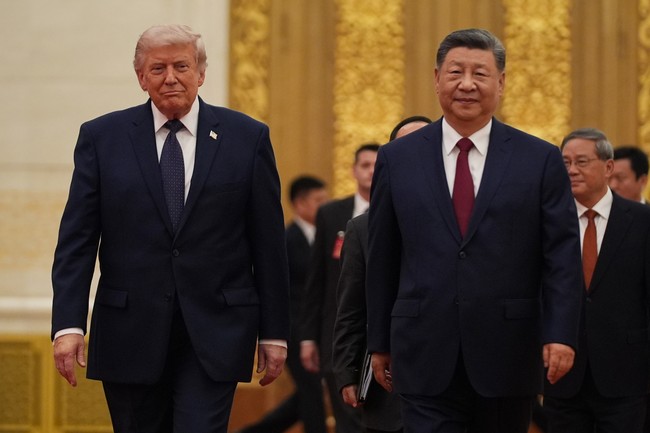
Pastor Ezra Jin, who founded Beijing’s Zion Church, was detained amid a sweeping crackdown on unregistered congregations. His arrival in the United States over the July 4th weekend came soon after President Trump raised Jin’s case directly with Xi Jinping during talks in Beijing. For a pastor fleeing persecution, coming to America as the nation marks its founding is a vivid symbol of contrasting systems.
This outcome did not stem from vague statements or ritual condemnations. Trump reportedly pressed Jin’s case in May and secured “serious consideration,” according to Chinese remarks, and Jin was freed weeks later. That sequence suggests a pragmatic, direct approach that prioritizes deliverable outcomes over endless multilateral posturing.
BREAKING: Pastor Ezra Jin has been RELEASED from Chinese prison and reunited with his family in America after being detained and imprisoned by Chinese police for over 260 days.
What excellent news, coinciding with the momentous 250th anniversary of America!
https://x.com/JanJekielek/status/2073498908563578976
Congratulations to Ezra, Grace, and the rest of their family, and a huge kudos to the diplomats and everyone else that made this happen.
China’s handling of faith communities exposes deeper tensions at the heart of Communist Party rule. The Party’s official atheism demands political loyalty and insists that religion conform to state-approved ideology and cultural norms. That drive to “sinicize” religion puts independent congregations in the crosshairs.
Underground and unregistered churches operate in a dangerous gray zone. Zion Church once served hundreds of worshippers and grew into a high-profile, independent community. That very independence made it a target when authorities moved to tighten oversight and stamp out gatherings outside state-sanctioned channels.
The campaign against independent faith communities is part of a broader pattern that extends to ethnic and religious minorities. Uyghur Muslims in Xinjiang have faced mass detentions, extensive surveillance, limits on religious life, and assimilation policies that have drawn global concern. The common thread is a state intent on subordinating belief and identity to centralized control.
Beijing frames many such measures as counter-terrorism or development policy, but the scale and methods point to a consistent priority: stability and ideological conformity over individual rights. Any religious practice that fosters an independent community or encourages loyalties outside Party lines is treated as suspect.
Jin’s release, while welcome, is partial. Several associates connected to Zion Church remain detained, and numerous religious believers across China continue to face pressure. One successful case for one person does not amount to a systemic change in Beijing’s approach to faith or minorities.
Pastor Ezra Jin is free.
We are thrilled that Pastor Ezra Jin has been freed and reunited with his family in the United States. Unjustly imprisoned for practicing his faith in China, Jin is a case our #FreeThemAll program has actively supported.
We will continue our advocacy until all political prisoners are freed.
The lesson here is about leverage and focus. Past approaches often folded human rights complaints into sprawling negotiations that yielded little visible relief for individuals. Raising specific cases during high-stakes talks can produce discrete wins without sacrificing larger strategic objectives.
President Trump describes his diplomacy as transactional and outcome-driven, and Jin’s release fits that profile. Pressing for a single pastor’s freedom while managing trade, technology, and security talks shows a willingness to blend principle with realpolitik to secure tangible results.
Detractors may call such results coincidental or minimal, but for Jin and his family the impact is everything. His return to the United States during a major national anniversary dramatizes what freedom means compared with life under coercive rule. It also signals that targeted pressure can matter when backed by credible leverage.
The broader task remains: China’s leadership has shown little appetite for loosening its clamp on independent religion or minority identities. Meaningful change will require persistent attention and the credibility that comes from consistent follow-through. This incident is a reminder that steady, practical pressure can deliver important victories without grandstanding, even as the larger struggle for religious liberty continues.

Add comment