
This piece summarizes President Trump’s recent Oval Office comments about a potential deal with Iran, the snap judgment that Tehran has agreed to give up its nuclear weapons, and the skeptical Republican take on what a memorandum of understanding would actually change inside Iran’s regime.
President Trump told reporters the situation is moving toward a deal and suggested Iran has agreed to surrender its nuclear weapons program, writing that they have agreed to give up their . The president delivered the remarks in the Oval Office, projecting confidence that a one-page memorandum could end the immediate fighting and launch longer negotiations. That framing puts nuclear nonproliferation front and center while leaving regime behavior untouched in the discussion. Conservatives hear progress on capability but remain wary of regime survival and bad faith bargaining.
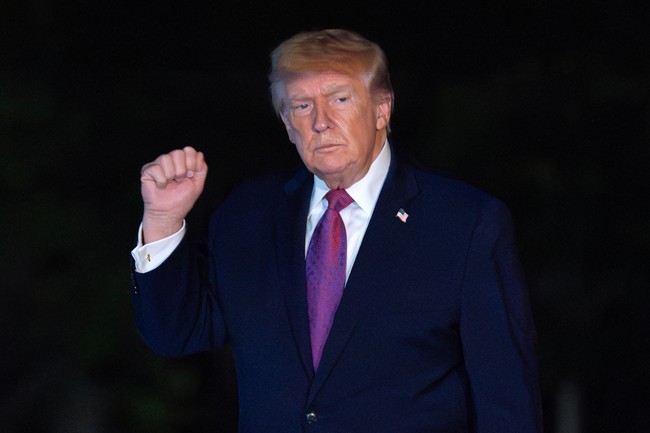
During a Wednesday afternoon news conference in the Oval Office, Trump indicated that Iran has agreed not to have a nuclear weapon – a stipulation in a deal between Iran and the U.S.
“Iran cannot have a nuclear weapon, and they won’t, and they’ve agreed to that, among other things,” Trump told reporters.
The president said a deal with Iran is close, despite making the same claim multiple times since a ceasefire went into place April 7. However, Trump appears to acknowledge the Islamic Republic’s reluctance to reach a deal over the last month after several failed attempts to make a deal.
Senior officials have described a concise memorandum of understanding as a possible first step — a one-page document that would halt immediate hostilities and define basic terms for future nuclear talks. That slim agreement, if real, would be tactical: stop the shooting, secure inspectors, freeze fissile material flows, then move to detailed verification and rollbacks. Republicans appreciate the hard deadline and transparency such a step could provide, but they insist on ironclad verification and consequences for cheating.
White House sources signaled the U.S. expected Iranian responses on several key points within a tight window, saying nothing was fully agreed but that this was the closest parties had been since the conflict began. The emphasis from the administration is on quick, enforceable language and a path to deeper negotiations rather than vague promises. Pragmatism matters: a one-page deal can create breathing room for diplomacy without locking the United States into concessions that lack verification. Still, caution is the watchword among conservative policymakers.
The White House believes it’s getting close to an agreement with Iran on a one-page memorandum of understanding to end the war and set a framework for more detailed nuclear negotiations, according to two U.S. officials and two other sources briefed on the issue.
The big picture: The U.S. expects Iranian responses on several key points in the next 48 hours. Nothing has been agreed yet, but the sources said this was the closest the parties had been to an agreement since the war began.
Optimism in the Oval Office is tempered by skepticism about Tehran’s trustworthiness. The regime has a long record of deception, covert enrichment, and using nuclear progress as geopolitical leverage. Republicans point to that history as reason to demand intrusive inspections, continuous monitoring, and penalties that snap back immediately if Iran violates terms. Otherwise any paper promise will be temporary and worthless.
The bigger picture, from a conservative vantage, is simple: rolling back Iran’s nuclear capability is necessary but not sufficient. Even if centrifuges are dismantled and stockpiles curtailed, the ruling clerics, the IRGC, and the next Supreme Leader remain intact and hostile. The same power structure that funds proxies and suppresses dissent will still shape Iran’s foreign policy and regional behavior after any short-term deal.
That reality means conservatives want a strategy that combines military pressure, sanctions enforcement, and diplomatic terms that prioritize verification and accountability. A one-page memorandum can be a tool if it contains clear, enforceable commitments and timelines for inspections. Without those mechanics, the outcome will be a pause, not a permanent solution, and Iran will likely resume malign activities as soon as constraints ease.
President Trump’s public ultimatum style — leaving Tehran with a stark choice while offering a path to halt violence — fits a conservative playbook of strength and conditional diplomacy. The goal is to extract concrete, verifiable concessions rather than toothless declarations. Yet Republican hawks will continue to press for policies that target the regime’s levers of power until Tehran demonstrates sustained, verifiable behavioral change.
Editor’s Note: For decades, former presidents have been all talk and no action. Now, Donald Trump is eliminating the threat from Iran once and for all.
Public reaction will hinge on whether the administration secures airtight verification and a mechanism to enforce penalties immediately if Iran breaks the deal. Conservatives will watch both the text and the technical arrangements closely, because the handoff from a one-page framework to substantive, enforceable nuclear restrictions is where deals live or die. Until the mullahs show they cannot covertly weaponize materials again, Republicans will remain skeptical about a permanent change in Tehran’s strategic calculus.


Add comment