
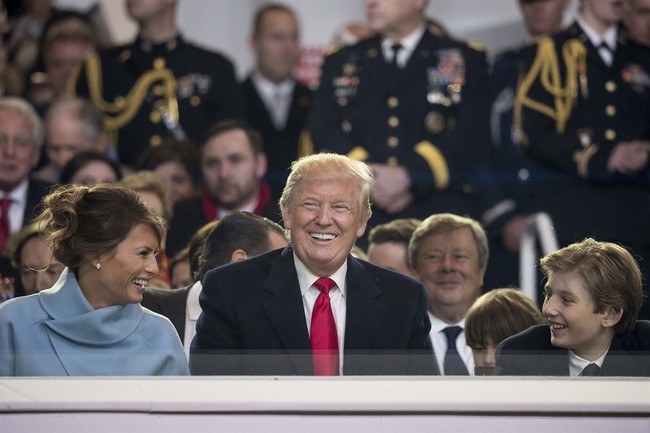
Shawn Farash rose from a DirecTV salesman to a top Trump impersonator with a mix of timing, talent, and viral moments. His knack for nailing Trump’s voice and cadence turned casual customer interactions into social media gold, and those clips opened doors to hundreds of thousands of followers and media opportunities. This piece traces the accidental origins of his act, the moments that made him a breakout figure, and how his impersonations translated into a real platform and audience.
I’ve written about Shawn Farash before because his work lands for the audience that loves sharp political satire delivered straight. He doesn’t try to transform his face into the president’s; instead he captures the speech—inflection, pace, and those familiar turns of phrase—so convincingly that the impression feels authentic. For many conservatives, his bits are a welcome, funny reminder of the voice they know from the campaign trail and the White House.
Farash’s impersonation found an early, weirdly perfect test while he was selling satellite TV. When prospective customers asked if they would lose Fox News by switching services, he answered in character to get a laugh and an immediate reaction. “Do I look like somebody who would make you watch the Fake News? We’re gonna make sure you get your Fox News, it’s going to be great, you’re gonna love it.”
Those in-person moments didn’t stay local for long. Customers would stop and stare, often responding with instant surprise and delight. “And they’d be like, ‘Whoa! What was that?!’” became the kind of anecdote that proves a bit can travel beyond the living room and into the wider culture. A friend suggested posting one of those clips online and the reaction was immediate, propelling Farash into the viral ecosystem.
Once his content hit TikTok and X audiences, the momentum snowballed. Short viral clips translated into followership across platforms, and Farash’s style—the confident, exaggerated Trump cadence—proved perfectly suited to quick social clips and shareable moments. The appetite for content that blended political familiarity with comedy created a natural audience spike, and he rode that wave into larger opportunities.
Viral success brought measurable growth: near half a million followers on X, substantial subscribers on YouTube, and hundreds of thousands on TikTok. With that reach came the freedom to branch out into other projects, including a podcast that leans into the showmanship and video work he’s known for. What began as a prank and a sales-floor joke became an entertainment brand with real staying power.
Beyond follower counts, the impersonator’s visibility produced real-world moments, including a chance to meet the president. Those encounters are less about celebrity ego and more about recognition: when someone becomes a clear voice for a certain kind of political humor, they become a figure people want to meet. For conservative audiences who appreciate both the man and the message he parodies, those interactions feel like validation.
Farash’s best clips often hinge on cultural touchstones or current events, like his congratulatory riff on the U.S. Olympic men’s hockey team that played off a dramatic overtime victory. Brief, sharp, and tuned to what people were already talking about, those sketches show why timing matters as much as mimicry. Comedy that ties into shared moments is how impersonators move from novelty to relevance.
While some comedy splits audiences, Farash’s material tends to land with his base because it doesn’t aim to insult for the sake of insult—it plays to affectionate recognition. If you enjoy riffs like “Snow Mexico” or the poke at a rival player with “shut the Tkachuk up,” his work will hit its mark. That kind of material builds a consistent persona that audiences return to for both laughs and a reminder of the political voice it echoes.
Not every path in entertainment is deliberate; sometimes success is the product of being ready when the moment arrives. Farash’s trajectory shows how a skill developed for laughs in everyday life can find traction when shared at scale. He seems likely to keep evolving his brand, whether the politics of the moment shift or stay the same.
Editor’s Note: With President Trump back in the White House, the state of our Union is strong once again.


Add comment