
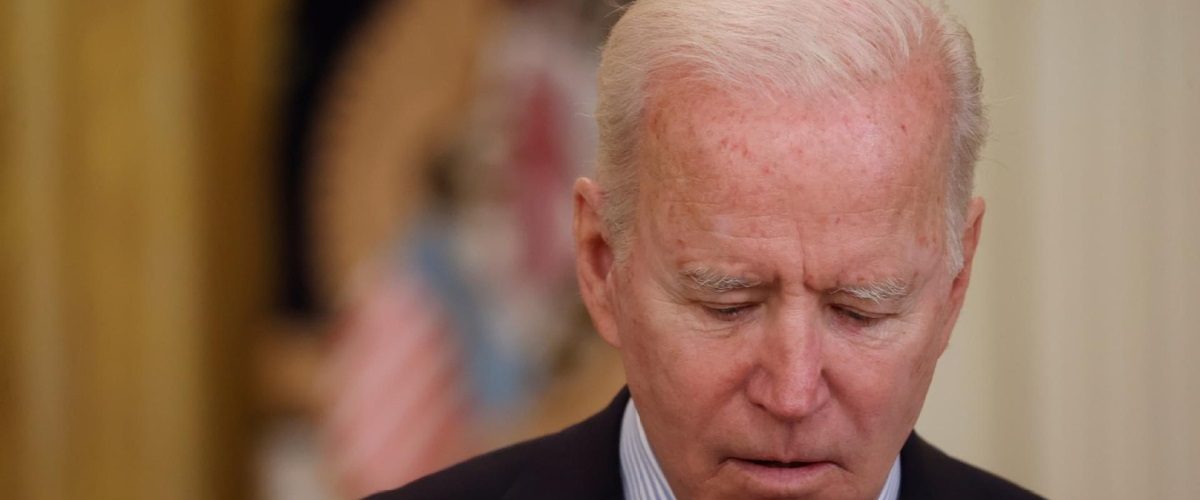
Former President Joe Biden has been notably focused on renewable energy sources like wind power, a perspective that contrasts sharply with former President Donald Trump’s stance. Recently, the Interior Department made headlines by reversing a major wind farm project in Idaho that had been greenlit by the Biden administration. The department cited unspecified “legal deficiencies” and the “unified opposition” from Idaho residents at various government levels as reasons for the reversal.
The Lava Ridge Wind Project, a significant initiative approved during Biden’s tenure, faced immediate scrutiny under Trump’s administration. Trump’s first day in office saw a decisive executive memo halting offshore wind farm leasing and scrutinizing federal wind energy practices. The Lava Ridge project, intended to house 241 towering windmills, became a focal point as it threatened vast tracts of federal and state land in Idaho.
Wednesday’s announcement by the Interior Department was framed as a return to “common sense” energy policies, aligning with Trump’s preference for reliable energy sources. The reversal of the Lava Ridge Wind Project was hailed as a move against the “radical Green New Scam agenda” and a step towards protecting rural communities and lands. The decision was rooted in Trump’s early actions to cease preferential treatment for intermittent power sources like wind energy.
Notably, the department highlighted significant “legal deficiencies” discovered during a review of the project’s approval process. Idahoans, from local to federal levels, had consistently opposed the wind project, and Governor Brad Little had even issued an executive order to support the review. The state’s House of Representatives also unanimously opposed the project in a February resolution.
During the Trump administration’s review, state agencies revealed a lack of consultation in the project’s original planning stages. This finding directly contradicted claims by the Biden-era Bureau of Land Management, which insisted on extensive consultations with local stakeholders. The discrepancy further fueled the decision to reverse the project.
Interior Secretary Doug Burgum, in a statement, emphasized the department’s commitment to prioritizing American interests. He praised the decision to reverse the Lava Ridge project as a protective measure for Idaho’s rural communities and taxpayers. Burgum’s remarks underscored the broader administration effort to curtail what they see as unreliable energy initiatives.
The move to halt the Lava Ridge project is part of a larger strategy by the Trump administration to limit solar and wind power development. Simultaneously, efforts are being made to expedite fossil fuel projects involving coal, oil, and natural gas. This dual approach reflects a clear preference for energy sources deemed more stable and economically beneficial.
Trump’s administration has consistently argued that renewable energy projects often come with hidden costs and risks. The Lava Ridge project, with its extensive land requirements and potential environmental impact, exemplified these concerns. The administration’s actions have been framed as a defense of traditional energy sources vital to the nation’s economy.
Supporters of the reversal argue that fossil fuels remain a cornerstone of American energy security. They contend that transitioning too swiftly to renewable sources could destabilize energy markets and harm economic interests. Critics of wind energy point to issues like reliability and ecological impact as reasons for caution.
The decision to reverse the Lava Ridge project has been met with approval from conservative commentators and energy industry stakeholders. Many view it as a necessary check on what they perceive as overreach by the previous administration. The focus remains on balancing energy needs with responsible environmental stewardship.
This latest action by the Trump administration highlights its broader energy policy priorities. By prioritizing fossil fuels, the administration aims to strengthen American energy independence. The reversal of the Lava Ridge project is seen as a reaffirmation of these goals.
Conservative media outlets have lauded the decision as a win for common-sense energy policy. The move is framed as part of a larger effort to redirect energy investments towards more reliable sources. The administration’s stance is that such actions are essential for national prosperity.
Critics of the reversal argue that the decision ignores the long-term benefits of renewable energy. However, supporters maintain that immediate economic and environmental concerns take precedence. The debate underscores the ongoing tension between differing energy philosophies.
Despite differing opinions, the reversal of the Lava Ridge project marks a significant moment in the national energy conversation. It reflects a clear policy shift from the previous administration’s focus on renewable energy. The Trump administration’s actions continue to shape the direction of American energy policy.
The decision is part of a broader narrative of prioritizing traditional energy sources over renewables. It underscores the administration’s commitment to economic growth and energy security. The reversal serves as a reminder of the ongoing debates surrounding America’s energy future.
JOIN US Everybody can earn 250/h Dollar + daily 1K… Y You can earn from 6000-12000 Dollar a month or even more if you work as a part time job…It’s easy, just follow instructions on this page, read it carefully from start to finish… It’s a flexible job but a good earning opportunity. tab for more detail thank you……..
For details check ——-⫸ Www.EarnApp1.Com