

Summary: New York Mayor Zohran Mamdani faces a steep fiscal reality and is blaming predecessors while warning of an economic crisis, pushing steep tax increases on the wealthy as his main fix; critics, including former Mayor Eric Adams, dispute the claims and point to reserves and political choices as the real story.
Zohran Mamdani arrived in office promising big changes, but the day-to-day work of running a city has exposed sharp budget tensions. He’s pointing fingers at former officials and warning that New York faces severe fiscal strain. That approach has quickly turned his campaign rhetoric into governing controversy, with real consequences for policy and politics.
Mamdani frames the shortfall as the legacy of previous leaders and as a structural problem that demands dramatic remedies. He has labeled the situation a massive fiscal deficit and suggested bold tax hikes aimed at the wealthiest New Yorkers and profitable corporations. Those proposals are billed as necessary to restore services and stabilize the budget.
Critics say the math is more complicated and that immediate tax hikes risk driving people and companies away, reducing the tax base and worsening revenue problems. Observers note that high earners and mobile capital respond to tax incentives, and that aggressive tax policy could accelerate relocation. The debate now centers on whether the threat of evasion or exodus outweighs the projected revenue gains from higher rates.
Mamdani has publicly placed blame on his predecessor and on state-level decisions, arguing that prior under-budgeting left the city with gaps to cover. He used blunt language to frame responsibility and branded the shortfall with political ownership. Those claims have set off a back-and-forth about reserves, prior budgeting choices, and fiscal stewardship.
During a press conference on Wednesday, Mamdani accused Adams of underbudgeting important services that NYC residents “rely on every single day,” while “quietly leaving behind enormous gaps for the future.” Mamdani also accused former New York Gov. Andrew Cuomo (D) of extracting NYC’s “resources” and using the city’s revenues to “address state level holes, while withholding from the city what it was owed.”
“There is a massive fiscal deficit in our city’s budget to the tune of at least $12 billon. We did not arrive at this place by accident. This crisis has a name, and a chief architect,” Mamdani said. “In the words of The Jackson 5, it’s as easy as ABC. This is the ‘Adams Budget Crisis.’”
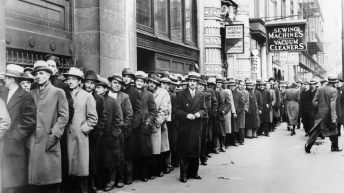
He has also used stark comparisons, claiming the situation rivals past national-scale downturns to stress urgency. That alarmist frame makes a steep policy response more politically palatable for some, but it also raises the stakes of any miscalculation. When fiscal fear is the engine of policy, errors can compound quickly.
Mamdani’s plan includes a specific tax ask: he says an additional 2% income tax on the top 1% of New Yorkers would put the city on firmer footing. He argues that such a levy would not only close short-term gaps but also fund long-term investments. The figure and the target group are meant to be precise, and they have become the center of bargaining and criticism.
It will require us to pursue every single avenue. That means looking inward into savings and efficiencies, that also means raising taxes on the wealthiest New Yorkers, and the most profitable corporations.
Opponents counter that raising taxes on a narrow group invites avoidance and exit, shrinking the very base the city hopes to tax. They point to other states and cities where high earners relocated or restructured to avoid higher levies, and they warn that promised revenue often falls short. Budget forecasts depend on behavioral responses that are hard to predict in a rapidly changing economy.
Eric Adams publicly pushed back, noting reserves and disputing claims of negligence. Adams emphasized that substantial reserve funds were left in place when he departed, and he warned against blaming predecessors as a substitute for tough fiscal choices. The exchange underscores the political heat surrounding budget transparency and responsibility.
With the preliminary budget release scheduled for mid-February, the next documents will shape the debate and force trade-offs into the open. Citizens will quickly see what assumptions Mamdani’s team endorses and whether the proposed tax changes are matched by clear spending plans. For now, rhetoric and reaction dominate while the city prepares for more concrete fiscal steps.
New York’s fiscal moment is both a policy challenge and a political test for a mayor who ran as a progressive reformer. The choices made now will determine whether the city can balance its ambitions with fiscal reality or whether short-term politics will produce long-term headaches. Expect tensions to stay high as advocates and critics press their cases.

Add comment