
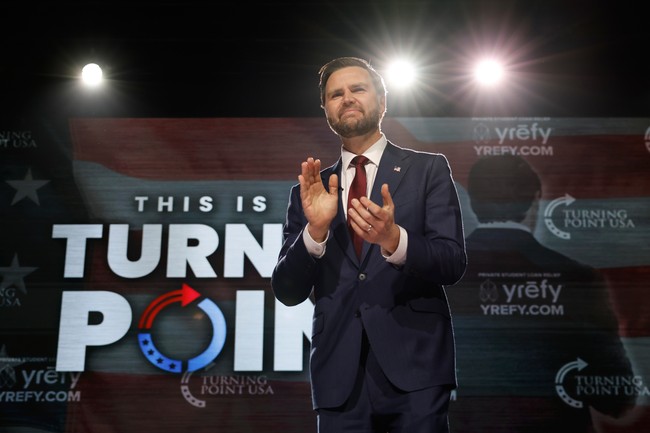
Vice President JD Vance led a forceful push against Medicaid fraud that put the FBI’s new list of the “10 most wanted” fraudsters in the spotlight, announced at a joint event with federal and state officials aimed at stopping waste and corruption in healthcare programs.
The Ohio event gathered senior officials to lay out a national strategy targeting large-scale abuse of Medicaid and related programs. It highlighted how concentrated attention and coordinated enforcement can recover stolen taxpayer dollars and hold bad actors accountable.
Vance has made fraud a priority, pushing the task force to expand beyond pilot states and go after organized schemes that siphon public funds. The result has been aggressive recoveries and criminal referrals designed to deter future abuse and restore confidence in government programs.
FBI Director Kash Patel outlined the agency’s role and unveiled a public-facing list of ten professional fraudsters linked to schemes targeting healthcare resources. The list is meant to spotlight the most egregious offenders and give investigators a clear set of targets to pursue nationwide.
WATCH:
https://x.com/RapidResponse47/status/2062556599084834818
The FBI’s new list is live and detailed, naming individuals and describing their methods so the public and prosecutors can follow leads. This transparency creates pressure on both perpetrators and local offices that have been lax or ineffective in prosecuting complex fraud.
The task force has already clawed back billions and helped shut down fraudulent operations in multiple states, using criminal and civil actions to recover money and dismantle fraud networks. Those outcomes show that when federal leadership focuses on fraud, the results are measurable and significant.
One clear consequence has been tighter scrutiny of state-level fraud control units and their ability to bring charges. The administration has begun withholding federal support where state agencies fail to prosecute, signaling that federal funds come with an expectation of vigorous enforcement.
Hawaii’s attorney general stands to lose around $3 million in federal funding to fight Medicaid fraud after failing to consistently bring criminal cases, the Trump administration said on Thursday, in an escalation of Vice President JD Vance’s campaign against healthcare fraud.
The U.S. Department of Health and Human Services Inspector General March Bell sent a letter to Hawaii Attorney General Anne Lopez informing her that her state’s Medicaid Fraud Control Unit, a body that investigates and prosecutes fraud by healthcare providers, has been denied federal certification. HHS will no longer fund the unit, which has been receiving around $3 million annually, Bell wrote.
Another blunt statement from the administration called out state officials directly for failing to protect taxpayer dollars. That message aims to force state-level reforms and ensure federal dollars are used for legitimate investigations and prosecutions rather than sitting idle.
Hawaii state officials stole around $12M from you. The money was supposed to be used to prosecute fraudsters, but they didn’t indict a single person in 4 years. The Trump Administration will not sit back and do nothing when states waste your tax-dollars. Other states should take note. More coming soon.
The task force’s approach pairs public accountability with legal muscle, using audits, indictments, fines, and funding penalties to change behavior. That multi-pronged strategy pressures corrupt operators and the officials who enable them, shrinking the space where fraud can thrive.
Expanding the campaign beyond a few states means more scrutiny for programs long thought to be immune from enforcement because of bureaucratic inertia. When leadership prioritizes cases, investigators get resources and prosecutors get referrals that can break open entrenched schemes.
This is not just about headline arrests; it is about systemic change that stops money from being diverted in the first place. By setting clear expectations for state performance and showcasing successful recoveries, the administration wants to make fraud a political and legal liability for those who look the other way.
For citizens watching their tax dollars at work, the message is straightforward: federal authorities will step in when states fail to act and will publicize failures as part of a broader effort to protect benefits for the truly needy. That mix of enforcement and public pressure is intended to drive immediate improvements and discourage future abuse.

Add comment