
This article summarizes the sudden escalation between Israel and Iran after Iran launched missiles at Israel and Israel responded with strikes inside Iran despite a private call from President Trump urging restraint, the collapse of a fragile ceasefire and stalled diplomatic efforts, and the growing risk that limited conflict could widen across the region.
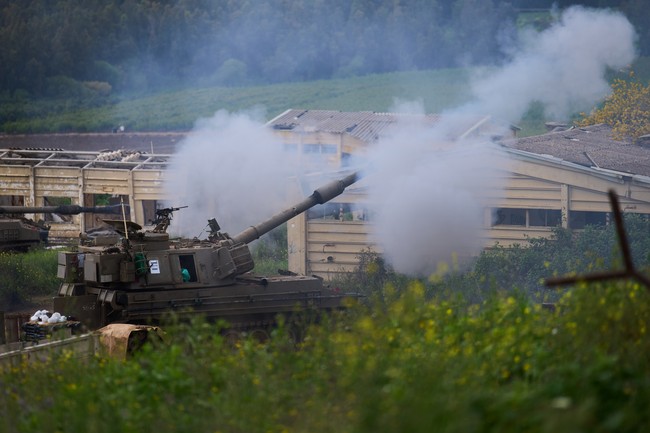
Israel carried out strikes on military targets in western and central Iran early Monday local time, the Israeli military announced, marking a sharp escalation after Iranian missiles were fired at Israel the day before. The strikes happened just hours after multiple waves of missiles from Iran crossed into Israeli airspace and set off sirens across northern communities. Israeli officials said their defenses intercepted the barrage and reported no Israeli casualties.
A senior U.S. official told the Associated Press, on condition of anonymity to describe a private call, that President Trump contacted Prime Minister Benjamin Netanyahu and urged him not to retaliate immediately for the Iranian attack. Trump’s public message was to “stand down” and try to return to talks instead of expanding the fight. The White House stance underscores a desire to manage escalation while maintaining American strength and influence in the region.
Despite that private appeal and the public call for restraint, Israel struck inside Iran. That decision reflects Israeli leaders’ view that deterrence and immediate action are necessary to protect their people and to impose costs on those who try to threaten them. From a Republican perspective, strong, decisive measures by allies reinforce deterrence and send a clear signal to adversaries that attacks will not go unanswered.
Earlier, the ceasefire that had held since April looked fragile at best. The collapse began when Hezbollah launched a drone attack on Dovev Barracks in northern Israel, prompting Israeli strikes in southern Beirut that reportedly hit a residential building and caused civilian casualties. Washington had asked against striking Beirut, but Israel chose to act, highlighting how complex and fast-moving decisions on the ground can be when threats emerge.
Iran framed Israel’s moves as crossing “all red lines” and warned of more forceful reprisals if attacks continued. The Iranian rhetoric was stark, and the cycle of action and reaction moved quickly: a Hezbollah strike, Israeli retaliation in Lebanon, Iranian missile launches toward Israel, and then Israeli strikes inside Iran. This fast chain of events demonstrates how regional proxies and state actors can turn a contained incident into a broader confrontation in hours.
Diplomatic efforts had been inching forward before the violence re-erupted. Reports said a preliminary memorandum of understanding had been reached to extend the ceasefire 60 days and open formal peace negotiations that would touch on the Strait of Hormuz, sanctions relief, enriched uranium limits, and a long-term framework. Nothing was signed, and crucial approvals were still pending, including Trump’s final consent, leaving the deal vulnerable to any fresh flare-up on the battlefield.
Iran’s diplomats insisted any agreement must “fully safeguard” Iran’s national interests and said Tehran “does not wait for the green light of any country.” Meanwhile, Hezbollah publicly rejected a renewed Lebanon-Israel truce reached on June 4, with its leader saying the group had “given no commitment to anyone.” Those positions make a stable and enforceable deal harder to achieve when state and nonstate actors are pulling in different directions.
On the U.S. military side, Central Command reported forces across the Middle East were “vigilant and ready,” reflecting standard posture adjustments when regional tensions spike. The U.S. Embassy in Israel had directed employees and families to shelter in place shortly before missile launches, underscoring the real and immediate danger to civilians and diplomatic personnel. For Republicans, readiness and clear warnings matter: deterrence requires visible capacity and willingness to respond.
With Israel striking inside Iran after a presidential plea to stand down, the margin for avoiding a wider war has narrowed. No American casualties have been reported, but the situation now hinges on choices by Tehran, Beirut-based proxies, and Jerusalem. The coming days will test whether restraint and diplomacy can reassert themselves or whether this exchange becomes the opening salvo of a broader, sustained confrontation.
Editor’s Note: Thanks to President Trump and his administration’s bold leadership, we are respected on the world stage, and our enemies are being put on notice.



Add comment