
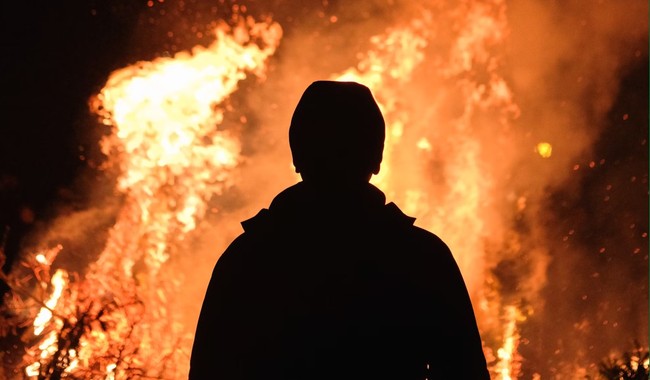
Israeli and U.S. forces struck Iranian fuel and military sites around Tehran in a major escalation, producing massive fires and widespread damage as leaders on the ground vow to keep up pressure until the Iranian regime is unable to threaten its neighbors and American interests.
Nighttime footage of towering smoke plumes over Tehran spread quickly, looking surreal but authentic, and officials say the targets included fuel storage facilities and military infrastructure tied to Iran’s regional operations. The strikes come amid Operation Epic Fury, a coordinated campaign intended to degrade Iran’s ability to finance and arm proxies across the Middle East.
The Israel Defense Forces confirmed Saturday’s strikes and called them a serious blow to the military infrastructure of the Iranian regime. Republican leaders see this as a necessary step to stop an adversary that has spent decades exporting terror and destabilizing the region.
A huge fire was seen in the vicinity of a fuel storage site in Tehran, sending towering plumes of smoke into the night sky.
Dramatic footage from Saturday night shows thick smoke billowing from an area geolocated by CNN to where the Shahran Oil Storage facility is based in northwestern Tehran.
The Israeli military said it struck fuel storage sites in Tehran on Saturday evening. The same oil storage facility was previously struck by Israel in June 2025 during the “12-Day War.”
Observers reported this as the first major hit on Iran’s oil infrastructure since strikes began, a move designed to attack the regime’s financial and logistical lifelines. Targeting fuel depots and storage sites is intended to limit the IRGC’s operational reach without engaging every part of Iran’s civilian economy.
Video from the attack shows flames lighting up the night and smoke towers blotting the sky, images that convey the severity of the damage and the psychological impact on the regime’s supporters. For those who have watched Tehran’s elites bankroll chaos abroad, the strikes represent something long overdue.
Officials also say the Israeli Air Force struck aircraft and infrastructure used by the Quds Force, hitting at tools Iran uses to move weapons and personnel to proxy groups. The IAF reported precision attacks at Mehrabad Airport that destroyed several fighter jets and disrupted IRGC logistics hubs.
The IAF conducted a wave of precise strikes in Tehran, targeting military infrastructure at Mehrabad Airport, a central hub used by the IRGC to arm and fund its terror proxies across the Middle East. Several Iranian fighter jets were also struck.
Prior to the strikes, steps were taken to mitigate harm to civilians.
These operations follow a clear Republican line: decisive military action to eliminate threats rather than endless restraint or hollow rhetoric. The aim is to weaken the regime to the point it cannot sustain proxy wars or fund terror operations, and to force internal pressure for change.
Some reporting notes this was the first major hit on the oil infrastructure in the current campaign and frames it as a turning point in how the coalition is applying pressure. Strategically, disrupting fuel supplies and aviation support degrades both direct military capability and the flow of resources to Iran’s networks in Lebanon, Syria, Yemen, and beyond.
Despite the damage, Iran’s leaders publicly pledged retaliation and vowed to continue striking back, a posture that only strengthens the case for pressure among those who favor regime change or at least a dramatic reduction in Iran’s reach. From a Republican standpoint, allowing a regime that sponsors terrorism to rebuild its capabilities would be a strategic mistake.
On the ground, the mood is grim where the strikes hit and defiant in Tehran’s official statements, creating an uncertain path forward. The campaign’s backers argue that night-after-night pressure is needed to bring about a meaningful shift inside Iran’s ruling circles.
What happens next remains to be seen, but the recent strikes mark a significant escalation that aims to reshape Iran’s cost-benefit calculation. The broader goal, as framed by proponents of forceful action, is to protect American lives and regional stability by breaking the machinery that funds aggression.


Add comment