
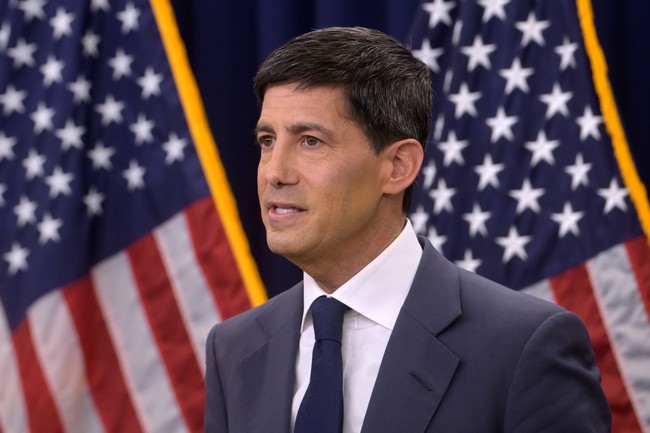
Kevin Warsh has taken the helm at the Federal Reserve and the FOMC’s first big call under his leadership was to keep interest rates steady amid lingering inflation and global uncertainty, while signaling possible hikes later in the year and launching task forces to probe monetary policy and inflation’s roots.
Kevin Warsh was sworn in as Fed Chair in late May and immediately faced the test of a divided economy and geopolitical tensions. He stepped into the role with clear backing from the president and the expectation that he would bring a different tone to the central bank. The Board’s unanimous move to leave rates unchanged underscores caution about inflation and global risks. Markets and families watching borrowing costs will be parsing every hint from the Fed for signs of a shift.
The Federal Open Market Committee voted 12-0 to hold the benchmark federal funds rate at 3.5% to 3.75%. That decision follows a string of earlier moves that included rate cuts at the end of last year and steady holds in the months since. Policymakers pointed to elevated inflation that remains above the Fed’s 2% goal, noting supply shocks in sectors such as energy as a contributing factor. That combination of stubborn prices and uncertain supply pushed the committee toward patience for now.
“We recognize that inflation has been running well ahead of the Fed’s long-stated inflation goal of 2%. That’s been going on for more than five years. Persistently high prices are a burden for the American people, but the recent past need not be prologue,” Warsh said. He went on to emphasize the committee’s unity: “I am pleased to report that members of the FOMC are unambiguous and unanimous – this committee will deliver price stability.” Those lines signal a hard stance on inflation that aligns with the priorities many conservative voters demand.
The president has expressed support for Warsh, even while noting that high rates “keep the country down.” That balance—endorsing firmness on inflation while urging lower borrowing costs—reflects the political tension around monetary policy. Many voters care about credit card rates, mortgages, and car loans, and they want relief without sacrificing long-run price stability. Warsh’s approach attempts to thread that needle, promising vigilance against inflation while monitoring economic momentum.
FOMC participants also released their so-called dot plot, which showed a split view on the path for rates through year-end. Roughly half of officials saw one or more quarter-point increases possible by year-end, with some forecasting larger cumulative hikes. Eight officials thought rates could remain steady, and only a single participant penciled in a modest cut. Those projections reflect uncertainty: inflation may cool, but risks from energy prices and supply disruptions keep upside pressure on prices.
Warsh announced the formation of five independent task forces to review key aspects of Fed operations, including monetary policy tools, communication strategies, data sources, productivity trends, and the labor market. The intent is to improve how the Fed sets and explains policy and to dig into the root causes of persistent inflation. He aims to produce updates by the end of the year, offering a roadmap for both transparency and potential operational reforms.
Geopolitics could reshape the outlook quickly. If tensions ease or agreements on energy-producing regions reduce oil prices, inflation readings could cool materially. That scenario would give consumers and borrowers hope for eventual rate relief. Conversely, any new supply shocks would reinforce the case for higher rates, keeping the Fed on alert and markets jittery about the timing of any easing.
https://x.com/cspan/status/2067317407324979503
For households and businesses, the immediate effect of the Fed’s stance is a continuation of higher borrowing costs than pre-pandemic norms. Those costs influence decisions on houses, cars, and capital investments. Policymakers are betting that holding the line now will prevent a longer, costlier inflation episode later. The politics are clear: voters want price stability and a healthy economy, and the Fed’s moves will be judged against both measures.
Warsh’s first major action as chair sends a message that the Fed under his leadership will not be complacent about inflation. His task forces and the unanimous decision to keep rates unchanged indicate a disciplined, data-driven approach. Expect close scrutiny of upcoming inflation readings, energy markets, and Fed communications for signs of the next move. The next few months will be telling for whether this posture brings down inflation without choking off growth.
Observers will watch the task force reports and the Fed’s language at future meetings for evidence of a shift in priorities or tactics. If energy prices fall and supply pressures ease, the committee could pivot toward easing later on. If inflation proves stickier, Warsh and his colleagues seem prepared to tighten further even if that means higher short-term pain for borrowers and politicians who prefer lower rates immediately.

Add comment