
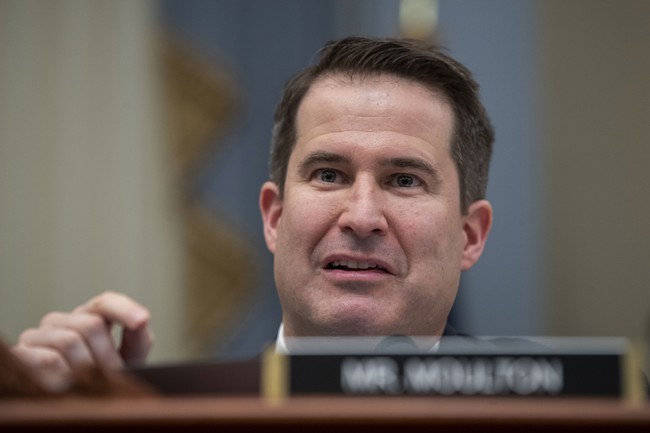
The press has a clear double standard: intense, sustained outrage when President Trump brushes off reporters, but near silence when a Democratic congressman physically confronts one. This article examines that contrast, the selective attention around sexual abuse stories, and what the media’s choices say about accountability and credibility. It focuses on the Seth Moulton incident, the larger pattern of press behavior, and the consequences of a media culture that punishes one side more than the other.
The media likes to present itself as the guardian of truth and the defenders of victims, but coverage choices tell a different story. For years the press hammered the Epstein files and repeatedly claimed it was about justice for victims, yet similar scandals outside the U.S. received scant attention. A British report revealing widespread sexual abuse drew little notice from many outlets here, even though numbers involved were staggering and deserving of scrutiny.
That selective focus becomes a pattern: stories that can be used to attack President Trump get breathless, endless coverage, while comparable or worse actions by others are downplayed or ignored. The result is predictable bias, where outrage follows partisan lines instead of the facts. That bias corrodes trust and leaves serious wrongdoing unaddressed when the actor is on the favored side.
One of the starkest examples right now involves Representative Seth Moulton and a physical confrontation with a reporter. Video shows Moulton approaching steps where a reporter was stationed, responding brusquely to questions and knocking the reporter’s phone from his hand as he moved past. In context, the act appears deliberately aggressive, not merely an offhand shove.
After the incident, national and local coverage was thin. Outside of select right-leaning outlets the story barely registered, and some Massachusetts media showed little appetite for accountability. That tepid response contrasts with the non-stop coverage given to past encounters between Trump and press members, where voice and tone alone were treated as existential threats.
The press has labeled some presidential behavior as “attacks” on the media and framed words as violations of the First Amendment, warnings about threats to democracy. Those claims were amplified until they became conventional wisdom, presented as proof the press is above being criticized or confronted. Given that framing, a physical strike on a reporter should be handled even more seriously, yet it has not been.
Where was the same moral fury when a congressman essentially assaulted a reporter? The silence suggests the outrage was never really about principle but about the person being criticized. If words alone were treated as potential tyranny when directed at journalists by one man, then physical aggression from another lawmaker should be indisputably unacceptable.
This is not just about tone policing. It is about who the press chooses to prosecute and who it protects. A culture of exemption develops when journalists believe some public figures are off-limits or will not be held to the same standards. That breeds impunity and encourages behavior that would be condemned in other circumstances.
https://x.com/RNCResearch/status/2069830435048157628
Moulton’s actions reveal a confidence born from that protection: a politician who expects no calls demanding an explanation and no follow-up reporting pressing for accountability. When the media signals some actors are safe from scrutiny, public trust in journalism collapses. That loss of credibility hurts victims, voters, and the public interest alike.
Partisanship in coverage also distorts the public’s sense of priorities. Major scandals abroad and at home get different treatment based on whether the story can be wielded politically. The net effect is a fractured news agenda that picks fights rather than consistently seeking truth and justice.
Journalists should be asking the same tough questions of all public figures, not operating a double standard that rewards allies and punishes enemies. When the press allows partisan bias to shape coverage, it abdicates its role as a neutral watchdog and becomes a participating actor in the political theater. That shift hurts every citizen who depends on reliable reporting to make informed choices.
Sustained media credibility requires evenhandedness and a willingness to press for answers regardless of party. Until coverage focuses on consistent standards rather than partisan advantage, incidents like Moulton’s will keep exposing the gaps in journalistic accountability and ethics. The public deserves better than selective outrage and the protection of favored politicians.

Add comment