
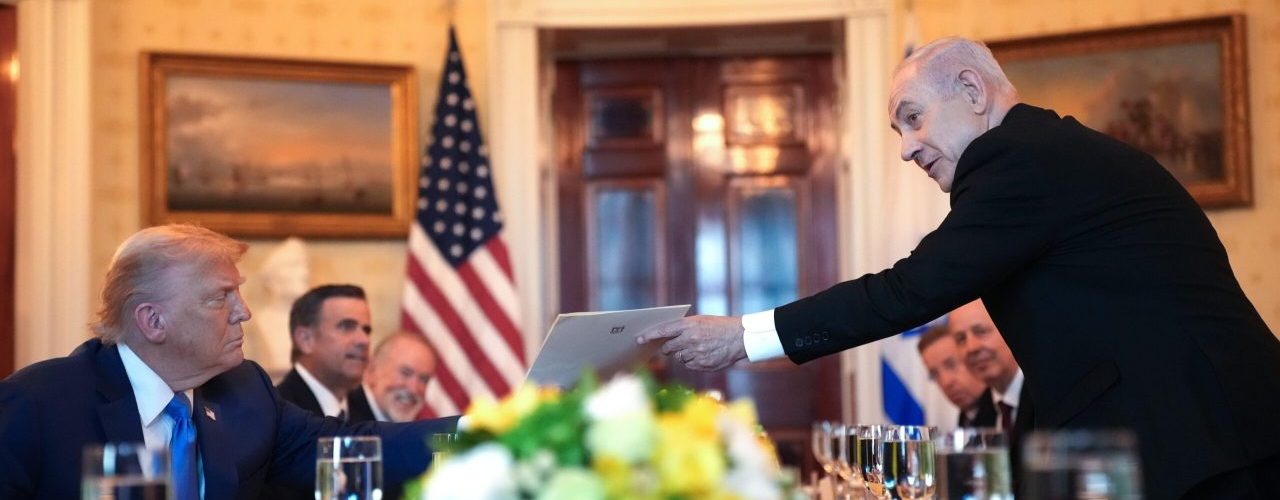
President Donald Trump has been actively working towards establishing a ceasefire in the Gaza Strip, yet doubts persist about the long-term viability of peace. This initiative is part of a broader effort to expand the Abraham Accords, aiming for normalized Israeli-Arab relations. The recent meetings between Trump and Israeli Prime Minister Benjamin Netanyahu focused on peace prospects in the Middle East, particularly concerning Hamas.
Brent Sadler from the Heritage Foundation emphasized the complexities of achieving lasting peace, noting that Hamas’ involvement makes it challenging. He stated, “I think the only way you get a lasting peace is if Hamas is not part of it because they’ve proven that they are un-reformable.” The U.S. and Israel have agreed on a 60-day ceasefire proposal, leaving the decision to Hamas on whether hostilities will end.
Hamas has expressed reservations about the ceasefire terms, seeking amendments that Israel finds unacceptable. In March, Trump warned Hamas of severe consequences if they failed to negotiate. U.S. Special Envoy Steve Witkoff remained optimistic about reaching a ceasefire agreement soon, expressing hope for a resolution by the end of the week.
The last ceasefire between Hamas and Israel was short-lived, lasting only three months before negotiations faltered. The resumption of hostilities was linked to unresolved issues over hostages held by Hamas. The situation underscores the fragile nature of peace in the region.
Hamas insists that any peace deal must include assurances against future conflicts, while Israel demands Hamas’ disarmament as a prerequisite. Additionally, Hamas has reportedly targeted Americans providing aid in Gaza, according to a State Department cable obtained by The Washington Free Beacon. This adds another layer of complexity to the negotiations.
The dynamics in the region have shifted, with Hamas losing key leadership and facing infrastructure challenges. Iran’s diminished capacity, following Israeli and U.S. strikes, has left Hamas vulnerable. “The events of the last two years have definitely set up a circumstance where potential for breakthroughs like we’ve never seen in the Israeli-Palestinian issue are present,” Sadler remarked.
Hostage situations remain a significant concern, with many hostages either returned or still in captivity. As of June, around 50 hostages are believed to be in Gaza, with many feared dead. Sadler noted that while not all hostages might be freed, some progress could be made.
Trump views peace in Gaza as crucial for expanding the Abraham Accords, potentially bringing Saudi Arabia into the fold. Gabriel Noronha, president of Polaris National Security, highlighted the significance of Saudi cooperation in advancing regional peace efforts. Saudi Arabia’s involvement could pave the way for other Arab nations to join the peace initiative.
Netanyahu has launched “Operation Gideon’s Chariots” to assert control over the Gaza Strip. The Israeli Defense Forces have made significant advances, putting Hamas in a difficult position. These military maneuvers are part of a broader strategy to weaken Hamas’ grip on the region.
Israel has also engaged rival clans within Gaza, aiming to reduce Hamas’ influence. By empowering these clans, Israel hopes to create alternative avenues for diplomatic engagement. This strategy could potentially lead to a more stable and peaceful Gaza.
The State Department has not commented on the latest developments, as reported by the Daily Caller News Foundation. This ongoing situation continues to be a focal point for international diplomacy and security discussions. Observers remain cautiously optimistic about the prospects for peace.
Add comment