
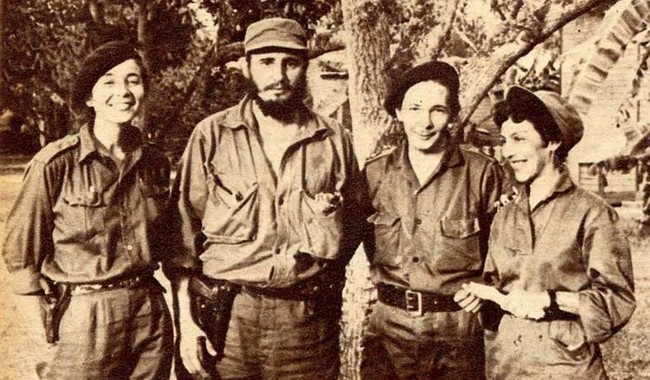
The U.S. government is escalating pressure on Cuba, reportedly preparing an indictment of former Cuban president Raúl Castro for his alleged role in the 1996 shootdown of two humanitarian planes that killed four people, while the Trump administration tightens sanctions and cuts key supplies to the island. This move sits alongside public threats and policy actions from Washington, signaling a tougher stance toward the Castro regime and renewed efforts to hold Cuban officials accountable for past violence.
Washington’s posture toward Cuba has shifted sharply under the current administration, which embraces an “America First” perspective while pushing a hardline approach to the island. The White House has used executive authority to label Cuba an extraordinary threat and has layered sanctions and supply restrictions on top of diplomatic pressure. That strategy reflects a belief among many Republicans that strength and accountability, rather than engagement without consequence, will better serve U.S. interests and put pressure on authoritarian regimes.
Now the Justice Department is reportedly preparing criminal charges for an event that shocked U.S.-Cuba relations three decades ago: the 1996 downing of civilian planes operated by a humanitarian group, which killed four people. The planned indictment would need grand-jury approval and is said to focus directly on the decisions and orders that led to the shootdown. The aim is straightforward—seek legal accountability for a violent act against civilians that remains a sore point in bilateral relations.
Raúl Castro, who left the presidency in 2018 but remains influential at age 94, is named in reports as a key figure tied to that episode. His grandson, Raúl Guillermo Rodríguez Castro — “Raulito,” who serves in the Ministry of the Interior — is viewed as a current power player and a main interlocutor in some dealings with the United States. For conservatives who argue for a tougher line, pursuing charges against high-level Cuban officials is consistent with a policy of not rewarding or ignoring serious abuses.
That criminal push is part of a larger campaign of economic and political pressure on Cuba that includes threats of penalties for third-party countries that supply the island with oil. Reduced energy shipments have produced shortages and grid stress, compounding internal strains within Cuba. U.S. officials see these measures as tools to compel reforms and reduce the Cuban regime’s capacity to oppress its own people and project influence abroad.
Some observers note the timing follows other decisive actions by the administration in the region, including operations that have targeted Venezuelan leadership and disrupted a previous layer of support for Havana. Those moves have altered the balance in Latin America and signaled a willingness to use forceful measures when national-security interests or justice concerns demand it. The possibility of indictments is another lever in that broader strategy to isolate and punish regimes deemed hostile or lawless.
As details of the alleged indictment emerged, reporting reiterated the long memory in Washington about the 1996 incident and about Cuba’s hostile acts over decades. “The potential indictment — which would need to be approved by a grand jury — is expected to focus on Cuba’s deadly 1996 shootdown of planes operated by humanitarian group Brothers to the Rescue.” This language has been carried in coverage and underscores the legal standard that such a case would have to meet before charges could proceed.
“The potential indictment — which would need to be approved by a grand jury — is expected to focus on Cuba’s deadly 1996 shootdown of planes operated by humanitarian group Brothers to the Rescue.
The plan comes as the U.S. heaps pressure on the Cuban government. The Trump administration has threatened heavy tariffs on any country that exports oil to Cuba, leading to energy shortages as oil shipments are largely cut off. President Trump has pressed for major reforms in Cuba and has floated a “friendly takeover” of the country.
The pressure on Cuba began to pick up in January, after the U.S. military removed Venezuelan leader Nicolás Maduro from power and flew him to New York to face drug charges. Venezuela was a key partner of Cuba’s before the operation.”
Domestic political leaders have publicly backed tougher action. Florida officials, who live closest to the island and represent communities with deep personal ties to Cuban exile history, have pushed for accountability and a firm stance. The memory of civilian lives lost remains raw for many families and communities, which contributes to ongoing calls for legal and diplomatic measures that reflect those wounds.
Coverage of the incident reiterates historical context and its enduring political charge: “The 1996 shootdown of two civilian planes operated by the exile group Brothers to the Rescue remains one of the most politically charged episodes in modern U.S.-Cuba relations – and one in which some U.S. officials are still pressing for criminal accountability three decades later…” That sentence captures why the case still matters for policy and for voters who demand consequence for attacks on civilians.
The Republic of Cuba has been a complex and adversarial presence in U.S. foreign policy for 67 years, and this administration’s actions represent a clear departure from softer approaches of the past. Whether through sanctions, legal action, or diplomatic isolation, the current posture prioritizes pressure and accountability. For Republicans who champion firm responses to international wrongdoing, these moves reflect a tough-minded strategy to defend U.S. interests and pursue justice where warranted.

Add comment