
This piece examines a controversial congressional exchange that labeled a deliberate, murderous ambush an “unfortunate accident,” reflects on human capacity for cruelty, and argues why such minimization matters for our political culture and moral judgment.
One of the hardest things to reckon with is human depravity and how ordinary people can either resist or enable it. Scripture and many moral traditions point to our fallen nature, and theologians sometimes use the phrase “Utterly depraved” to describe how deep that tendency can run. If theology isn’t your lens, history provides plenty of evidence: torture, rape, trafficking, and systematic cruelty have been tools across ages and societies.
Most people reject barbarity, but many do not. Watching how groups and individuals react to acts of violence reveals much about their inner life and priorities. When national outrage was met by cheering in some quarters after the assassination of Charlie Kirk, it demonstrated a shocking willingness to celebrate evil rather than mourn a life ended.
https://x.com/RapidResponse47/status/1999146538598097357
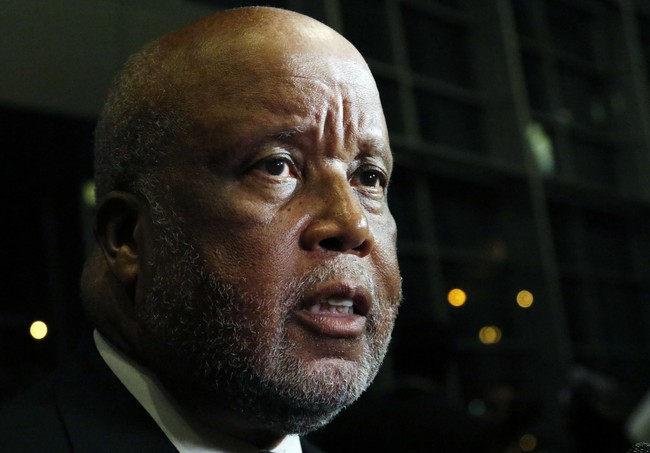
That context makes what Mississippi Congressman Bennie G. Thompson said at a recent hearing all the more jarring. In a congressional session with Secretary of the Department of Homeland Security Kristi Noem, Thompson called the premeditated, terrorist attack on National Guard troops in Washington, D.C., in which U.S. Army Spc. Sarah Beckstrom was murdered an “unfortunate accident.” When Secretary Noem corrected him, he insisted it was an “unfortunate situation.” He later told a CNN host he misspoke, but he has not clearly described what he thinks the crime actually was. That vagueness leaves a dangerous opening for moral equivocation.
Language shapes how we treat reality. A vase knocked off a counter or a dented truck door fit ordinary definitions of an accident. Those are things we shrug off and repair. But a person murdered at the end of a gun by someone charging them is categorically different. Calling murder an “accident” collapses the moral distinction between calamity and crime.
I’ve seen this firsthand in combat. When a sergeant is medevaced after a firefight or when a complex attack kills and wounds comrades, those are not “unfortunate situations.” They are violent acts with intent, consequence, and often political or ideological purpose. The families who receive remains and the units that mourn do not treat those events as casual misfortune. To them, language that softens responsibility feels like an insult.
Minimizing violent acts isn’t just a verbal mistake; it’s a moral statement. It signals that the speaker either does not recognize the agency of the attacker or refuses to assign full weight to the victim’s suffering. When a public official uses such minimizing language in a forum meant to investigate and confront threats, it erodes trust and corrodes the seriousness with which we address terrorism and targeted violence.
There are other examples where people of differing politics still recognized basic humanity. When Representative Gabbie Giffords was shot in 2011, reactions across the spectrum included shock and prayers for recovery. Political disagreement did not erase the recognition that someone had been gravely harmed. “Unfortunate accident” was never the phrase anyone used, because the reality demanded a firmer moral label.
When leaders strip words of their moral force, they change how the public understands justice. Words like homicide, terrorist attack, and murder indicate responsibility and intent; they point toward investigation, accountability, and prevention. Substituting vague, soft language blurs those obligations and can permit lax responses to real threats.
Some will argue that sloppy word choice happens and that we should give politicians the benefit of the doubt. But repeated or high-profile minimizations matter when they concern life and death. Ambivalence about labeling violence allows political calculation to trump moral clarity, and that is dangerous in a society that depends on shared norms to hold accountability systems together.
Beyond politics, this is about basic human empathy. Choosing to speak in ways that diminish the suffering of others reflects a heart attitude, and public figures shape norms by their phrasing. The moral imagination that treats targeted, lethal violence as an “unfortunate accident” invites a culture that becomes numb to brutality and tolerant of those who perpetrate it.
We should expect our representatives to name violence for what it is and to demand full investigation and accountability. If the language used in public hearings weakens that expectation, it should be challenged directly. How we speak about evil reveals how ready we are to confront it, and avoiding the right words for real crimes makes collective action against them harder to sustain.



Add comment