
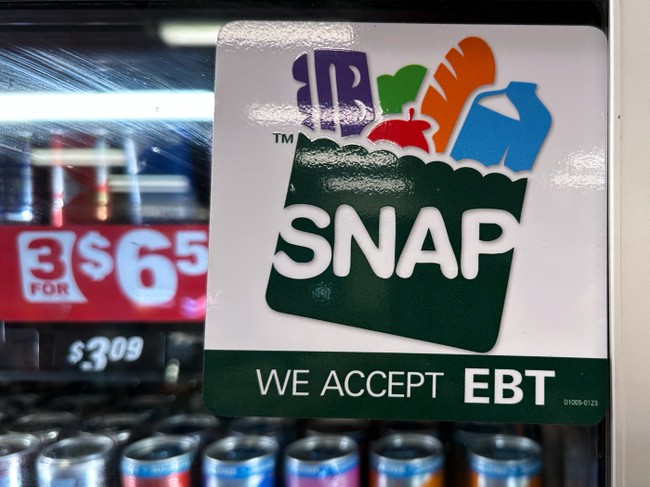
Checklist: outline SNAP reform goals; explain the new USDA rules and the lawsuit; argue taxpayer control and incentive policy; challenge the plaintiffs’ demands for junk food access; note potential legal trajectory and policy implications.
The debate over Supplemental Nutrition Assistance Program benefits has shifted from abstract policy to a concrete fight over what taxpayers should be forced to pay for. The Trump administration moved to tighten SNAP rules with the stated aim of focusing limited funds on food that actually nourishes people. Now a lawsuit has been filed against the United States Department of Agriculture challenging those changes, and the plaintiffs want access to sugary drinks, candy, and prepared foods purchased with benefits.
Those pushing the lawsuit frame it as a matter of dignity and personal freedom, but the underlying question is simple: when public money is involved, do private preferences trump public priorities? For years the conservative argument has been clear—welfare should be temporary, modest, and targeted toward basic needs. SNAP should help people get back on their feet instead of subsidizing habits that undermine health and add future costs to taxpayers.
The new USDA rules are modest in scope. They aim to encourage healthier purchases and use incentives to steer choices toward nutritious items. This is not about nanny-state micromanagement; it is about ensuring that taxpayer-funded assistance buys food that provides real nutrition. When government dollars are at stake, it is reasonable to attach conditions that promote public health and fiscal responsibility.
The plaintiffs in the case argue those conditions are unfair and intrusive, demanding the right to buy soda, candy, and prepared meals with SNAP benefits. That demand raises questions taxpayers should be allowed to ask: do we want our contributions supporting products that fuel obesity, diabetes, and chronic illness? Subsidizing junk food has long-term costs in healthcare and productivity that ultimately land on the public balance sheet.
Some critics insist, “…you can’t tell people what they are and are not allowed to eat.” That line is quoted often in defense of unrestricted benefits, but it ignores a basic principle of public policy—priorities. When the public pays for something, it is perfectly reasonable to define its intended purpose. SNAP’s purpose is nutritional support, not a free pass for discretionary consumption that worsens health outcomes.
Incentives matter in any social program, and thoughtful policy design uses those incentives to promote better choices. A program that nudges purchases toward healthier foods preserves dignity while protecting public dollars. Conservatives have long favored targeted assistance that encourages self-reliance, and asking beneficiaries to use limited benefits for nutrition rather than indulgence fits that worldview.
Expect the legal fight to be drawn out. Courts sometimes take activist cases seriously, and this one could become protracted as judges weigh statutory authority, administrative rulemaking, and constitutional claims. That does not change the practical policy point: lawmakers and administrators ought to frame welfare programs so taxpayers’ money serves a public purpose, not private vices.
The debate also touches on broader questions about culture and responsibility. Tax-funded benefits should not become an entitlement to convenience and excess. Encouraging healthier purchases is a reasonable public interest that aligns with reducing future public spending on medical care caused by diet-related illnesses. Americans who are asked to shoulder the bill have a right to expect prudent stewardship of their taxes.
Reformers argue the current effort does not go far enough, and that is a defensible position. Even modest steps that direct benefits toward nutritious food can have meaningful effects, especially when combined with education and job-support programs. Opponents who insist on unfettered benefit use are effectively asking taxpayers to underwrite choices that increase societal costs down the line.
Administrative rules matter because they set the tone for how programs operate in practice. The USDA’s proposed changes are an attempt to align SNAP with its stated mission of providing a hand up, not a permanent handout. Courts will sort out the legal questions, but policymakers should keep the practical goal in sight: ensuring limited assistance delivers real nutrition and encourages independence.
Editor’s Note: Do you enjoy RedState’s conservative reporting that takes on the radical left and woke media? Support our work so that we can continue to bring you the truth.
Join RedState VIP and use the promo code FIGHT to get 60% off your VIP membership!


Add comment