
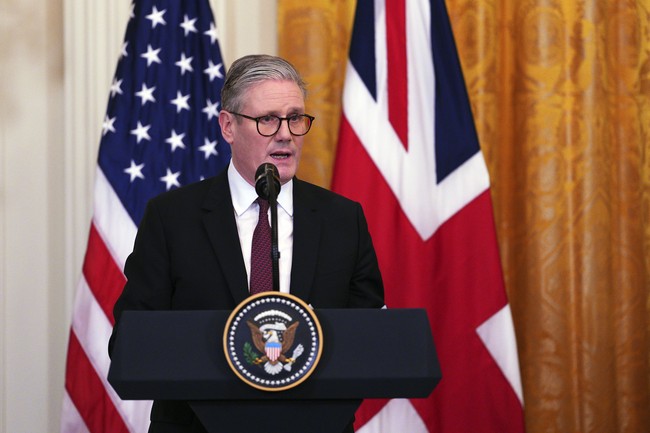
The Labour Party endured a heavy defeat in recent local elections across England, Scotland and Wales, and Prime Minister Keir Starmer’s reaction — refusing to resign and promising to double down — has sparked anger from opponents who say his leadership has failed on immigration, the economy and national security.
Results showed Labour losing ground in many areas it once counted on, including traditional strongholds, signaling a significant shift in voter sentiment. Reform U.K. emerged as a potent force, with polling and early counts suggesting it has become a major player by tapping into concerns about immigration and government performance. Commentators pointed to public frustration over rising costs, borders and the pace of change as central drivers of the backlash. For conservatives, the outcome read like a warning about the consequences of policies that ignore voters’ priorities.
Control of 136 local authorites in England, as well as the devolved parliaments in Scotland and Wales, were up for grabs Thursday. While many commentators had expected Labour to suffer heavy defeats amid public discontent with the economy, immigration and Starmer himself, partial results indicated the party was on track to take worse losses than even the most pessimistic predictions suggested.
Reform U.K.’s rise has been fueled by a message similar to what populist movements elsewhere have used: focus on immigration and national identity while criticizing the political class. That messaging resonated with voters who feel left behind by economic and social changes, and who want firmer border controls. Conservatives see this as validation that prioritizing law, order and controlled immigration aligns with public sentiment. The upset in places that used to back Labour shows how quickly allegiance can shift when people feel neglected.
For more than a year, opinion polls have indicated that Reform U.K., the right-wing populist party, was Britain’s most popular party as its leader, Nigel Farage, imitated President Trump’s anti-immigration agenda and railed against the Labour government.
Now, it’s looking increasingly official.
Many on the right welcomed the results and the rejection of policies that prioritized open borders and expansive welfare over household security and economic common sense. Conservatives argue that Labour’s losses reflect voters’ rejection of mismanagement and cultural priorities that feel out of touch. There is a clear sense among critics that when people are squeezed by bills, crime, and migration, they will punish the party in power. That’s exactly what happened, and it has implications beyond Britain’s shores.
Responding to the defeat, Prime Minister Starmer issued a statement acknowledging the losses but pledging to stay in office and press ahead with reforms. That stance surprised many who expected a traditional resignation in the face of such a setback. Opponents accused him of clinging to power and failing to take responsibility for policies that alienated voters. The refusal to step down and the vow to “double down” only deepened criticism from conservative commentators.
These are tough results for Labour. There’s no sugarcoating it. We’ve lost brilliant Labour representatives who’ve stood up for their communities.
People are still frustrated. Their lives aren’t changing fast enough. We haven’t offered enough hope or optimism for the future.
I was elected to change this country – tough days like this don’t weaken my determination to do that. They strengthen it.
Starmer said he would “lay out the steps” to deliver what people want, but critics were unconvinced given the track record of the current government. Conservatives argue that repeating the same policies won’t regain working-class trust or fix broken services. The criticism extends to foreign policy, where opponents claim Starmer has been weak, particularly over issues like Iran. For those who prioritize strength and clarity on national security, Starmer’s approach appears inadequate.
The political fallout will play out over months, not days: party structures will debate leadership and strategy while voters watch for real change. If Starmer stays and continues on the same course, conservatives predict Labour will keep losing ground to parties that offer clearer control on immigration and firmer promises on economic stability. This election cycle has shown that voters are willing to punish failure and reward parties that promise to restore order and protect borders.
Conservative voices say the U.K. result is a cautionary tale for other democracies: when mainstream parties ignore bread-and-butter issues and border security, populist alternatives gain traction. That’s a lesson many on the right say should guide future campaigns and policy priorities. For now, the defeat has left Labour shaken, Reform U.K. emboldened, and Prime Minister Starmer set on a course that critics call both stubborn and unrealistic.
Observers will be watching whether Labour reforms itself or doubles down further, and whether voters keep delivering the same message in upcoming contests. For conservatives, the preference is clear: policies that secure borders, restore economic confidence and tackle crime are the path back to stability. The local election results were a reminder that governments can be punished swiftly when they lose touch with the public’s top concerns.



Add comment