
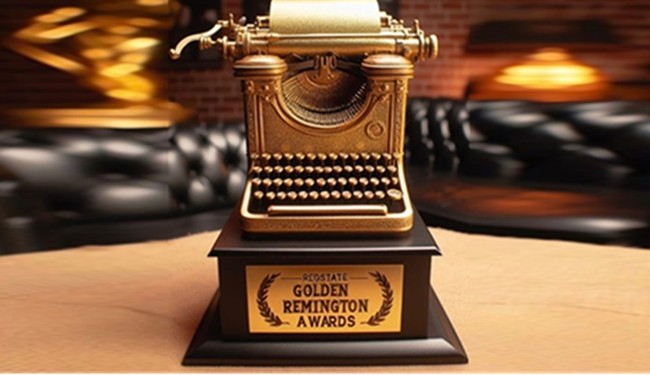
The Golden Remington Awards return to call out what we saw as a year of sloppy, performative, and tone-deaf journalism in 2025, highlighting examples where reporters and outlets favored trend-chasing or ideological posturing over serious reporting. This piece continues the second installment of that annual roundup, naming nominees and winners across categories like cultural commentary, criticism, photojournalism, cartoons, sports reporting, and feature pieces. Expect sharp takes, picky grievances, and a Republican viewpoint that refuses to pretend every media misstep is an innocent mistake. Below are the categories, nominees, and the winners we judged most emblematic of a press that often did not live up to its duty.
We started the year watching outlets elevate stories that read like social experiments rather than reporting. Profiles of Gen Z phone anxiety and mermaid pods sat side by side with AI-generated summer reading lists that included wholly invented titles. Those pieces reveal a modern press too eager to chase novelty, to celebrate the quirky, and to reward clever framing over verification and context.
In cultural commentary, several outlets indulged in the posture of explaining elite taste as if it were a national pastime. One prominent column insisted the sartorial language of the rich is the new social code, stating, “To be fashionably superrich, is to be clad in the anodyne colors of baby food, tea cookies or screen savers: latte, oatmeal, cream, butterscotch, café au lait.” That line is quoted here exactly because it captures how a cultural desk can drift into fawning caricature rather than scrutiny.
Our pick for worst in that category goes to two writers who crowned a society wedding “A wedding of Liberal Royalty” during a weekend of protests, signaling a disconnect between elite profile pieces and the political realities outside the manor gates. Celebrating elite weddings as rites of political consequence is tone-deaf, and it underscores how some coverage reads like social gossip with a veneer of importance.
In cultural criticism, the media’s reflex to label everyday corporate changes as ideological flashpoints became exhausting. When a chain altered its logo and interiors, the response from some outlets was to frame customer pushback as an orchestrated “right-wing backlash.” That tendency to weaponize mundane consumer preferences into culture-war narratives erodes trust in impartial criticism and turns neutral topics into partisan theater.
Another recurrent problem was the urge to stretch film anniversaries or pop-culture moments into grand political prognostications. Claiming a 50-year-old movie somehow forecasted modern populist movements is an example of forcing a narrative where none exists. Such stretches make the critic look less prescient than desperate for relevance.
Photojournalism also had its share of head-scratching moves. Cropped images that omitted obvious diversity at events, or visual framing that suggested incidents were representative when they were not, revealed editorial choices that nudged stories toward manufactured angles. Using a cover photo that obscures attendees to imply a racial narrative is a choice, not an accident, and editors should be frank about that distinction.
Other images that tried to craft political symbolism—shots that accidentally gave a president “bunny ears,” or photo selections for domestic stories that emphasized one demographic over the broader scene—felt like visual shorthand substituted for reporting. When the visuals do the storytelling, nuance gets lost and readers are nudged toward conclusions rooted in impression rather than fact.
Political cartoons and opinion art often swing for shock value but sometimes land in a strange place of self-defeating outrage. Examples included pre-baked covers with presumptive election outcomes, and cartoonists whose work prompted internal newsroom disputes and walkouts. When editorial art becomes reactive instead of reflective, it serves partisan signaling more than civic conversation.
Sports reporting, surprisingly, was another area where the press stretched incident into headline. Predicting that a sports figure’s presence would cause calamity, or treating athlete personal choices as culture-war statements, turned athletic events into ideological battlegrounds. Good sports coverage informs fans; too much of what we saw aimed to inflame the audience instead.
Feature and investigative pieces occasionally sank into lurid novelty, like investigative threads that tracked social media influencers or bettors in ways that felt sensational and invasive. Journalism should investigate wrongdoing and protect the public interest, not monetize curiosity about marginal subcultures or reduce athletes to data points for betting markets.
Across all categories, the throughline was a press that often prefers the appearance of being cutting-edge to the harder work of verification and restraint. The winners named here are not just individual missteps but symptoms of editorial cultures rewarding viral angles, ideological framing, and shortcuts to outrage. That pattern does a disservice to readers seeking sober explanation and honest context.

Add comment