
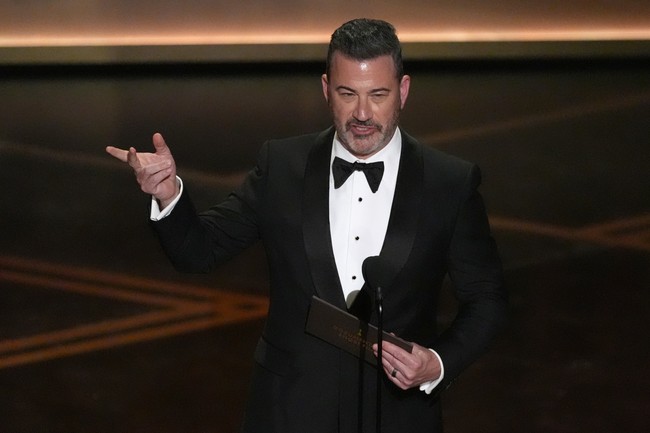
This piece critiques the recent attacks by Jimmy Kimmel and other liberal figures on conservatives, focusing on comments about First Lady Melania Trump around the White House Correspondents’ Dinner, the broader pattern of dehumanizing rhetoric from the left, and how that rhetoric feeds dangerous behavior; it argues this trend reflects a culture of contempt rather than debate and warns of the real-world consequences of normalizing such language.
Jimmy Kimmel’s April 23, 2026 remark about Mrs. Trump and his April 27, 2026 monologue drew sharp Republican pushback for more than just poor taste. From a conservative perspective, his repeated mockery represents an ongoing pattern where prominent media figures trade punches that land squarely on the dignity of political opponents. That pattern doesn’t operate in isolation; it’s part of a media ecosystem that rewards outrage and shows little interest in accountability.
When public entertainers mock elected leaders or their families, they help erode the norms that keep political disagreement from becoming dehumanization. The First Lady called out the network, and many on the right saw that as a reasonable demand for consequences when a major broadcaster tolerates repeated contempt. Conservatives argue that media platforms should balance free expression with responsibility, and that repeated targeted ridicule crosses a line into enabling hostility.
On Monday night’s show, he joked about the First Lady calling him a ‘coward’ whom ABC should fire, in what Kimmel called a ‘Twitter vomit storm.’
‘You know how sometimes you wake up in the morning and the first lady puts out a statement demanding you be fired from your job? We’ve all been there. Right?’
He then described what happened at the White House Correspondents’ Dinner, where 31-year-old shooter Cole Thomas Allen attempted to attack the event.
Kimmel then repeated his joke, claiming it was about Donald and Melania’s ‘age difference.’
That verbatim excerpt shows how the segment tried to mix dark humor with real events, and conservatives rightly question whether such commentary is responsible. The shooter at the WHCD and other violent incidents have created a climate where charged rhetoric gets magnified into potential action. From a Republican viewpoint, public figures must be conscious that mocking a president, first lady, or right-leaning officials isn’t merely theatrical — it has consequences in a polarized nation.
Jimmy Kimmel is not the only figure to draw criticism; political leaders like House Minority Leader Hakeem Jeffries have used combative language that some view as escalating tensions. When elected officials talk about “maximum warfare” against political opponents, it muddies the line between vigorous debate and incitement. Conservatives feel this language betrays a lack of respect for political opponents and for the peaceful exchange of power that underpins our system.
Those who watch both media and politics from a conservative angle see a pattern: entertainers and politicians on the left often employ rhetorical tactics that strip opponents of common humanity. That tactic helps justify ever more extreme rhetoric and, in some cases, violent fantasies voiced by radicals who claim to be inspired by moral righteousness. Republicans contend that labeling the other side as irredeemable makes it easier for fringe actors to rationalize violence.
Critics also point out inconsistencies in how networks handle controversial figures depending on their politics. When conservative voices are criticized, networks sometimes respond harshly, while left-leaning hosts get extended leeway for similar offenses. From a Republican perspective, that double standard feeds distrust in media institutions and reinforces a sense that conservative Americans are routinely mischaracterized.
Some defenders of Kimmel insist comedy is supposed to push boundaries and that satire has always been sharp. Conservatives acknowledge comedy’s role but insist it should not single out private citizens or public servants in ways that encourage dehumanization. The point here is not to police jokes but to ask whether platforms and hosts should be held to basic standards of decency, especially when their words can reach millions.
At a practical level, Republican commentators urge networks to be consistent about discipline and to apply the same standards to all hosts, regardless of political leaning. Accountability, they argue, is not censorship; it’s simply enforcing norms that allow a pluralistic society to disagree without reducing rivals to caricatures. That same insistence on fairness is why many conservatives support calling out hostile rhetoric wherever it appears.
Finally, this debate reveals something deeper about our culture: whether disagreement will be treated as an invitation to dialogue or as justification for contempt. Conservatives want political competition but also the preservation of institutions and civility that make peaceful governance possible. Holding cultural influencers and politicians accountable for incendiary rhetoric is about preserving that balance, not about silencing dissenting viewpoints.
ABC FIRE KIMMEL👎🏻