
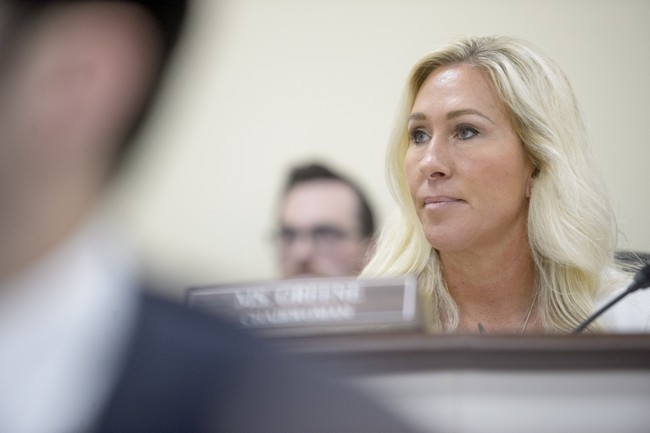
This piece examines the New York Times profile about Rep. Marjorie Taylor Greene’s recent shift from a staunch Trump ally to a more critical posture, questions the motives and timing of that change, and looks at how the media and activists are responding to it from a Republican perspective.
The New York Times published a long feature about Marjorie Taylor Greene that paints her as having undergone a personal transformation after the death of Charlie Kirk’s wife. The story quotes Greene saying, “Our side has been trained by Donald Trump to never apologize and to never admit when you’re wrong,” and attributes her new tone to a newfound focus on faith and repentance. From a conservative angle, moments of reflection are welcome, but timing and consistency matter if someone claims a moral pivot.
Greene’s quoted line, “After Charlie died, I realized that I’m part of this toxic culture. I really started looking at my faith. I wanted to be more like Christ,” is powerful if sincere, and it ought to lead to steadiness, not performative headlines. Republicans value faith-driven change when it’s evident in actions and policy over time, not just in media-friendly sound bites that coincide with hot political cycles. Voters rightly ask whether public repentance is enduring or a tactical repositioning.
The Times piece highlights scenes that make the transformation look abrupt, like photos of Greene sitting with Code Pink, a far-left group known for extreme rhetoric. If Code Pink praises you, remember that’s not a good thing. Their past behavior around protests and confrontations with public figures undermines the idea that this is a natural alignment for someone rooted in MAGA conservatism.
Greene also spoke warmly of appearing on The View and described its panelists as “College-educated, affluent suburban women — that’s who I am. So I couldn’t wait to talk to these ladies. I was so tired of the toxic politics.” That line stands out because it frames her as identifying with a demographic not typically linked to her prior raw, populist messaging. Republicans can respect outreach to different audiences, but political authenticity requires clear principles rather than shifting alliances based on optics.
There’s another angle worth noting: the same mainstream outlets that vilified Greene for years now treat her pivot as a redemption arc because she criticized Donald Trump. That selective embrace reveals how the liberal media prioritize anti-Trump signals above consistent ideology or character. Conservatives see through that: conditional praise from outlets that once smeared you doesn’t erase years of partisan attacks or guarantee a trustworthy transformation.
The profile also contrasts Greene’s current tone with her earlier rhetoric, when she openly accused Democrats of treason and pushed extreme language from the campaign trail through her early tenure. Republicans understand that fierce criticism of political opponents is part of the rough-and-tumble of modern politics, but there’s a difference between fighting and endorsing threats or lawlessness. A sincere shift away from vengeance would be notable if it also comes with consistent behavior and clearer policy priorities.
Media reaction to other Republicans who move away from party leaders has set a precedent here. The press celebrated Liz Cheney when she broke with Trump despite having opposed Cheney for years, showing that liberal outlets reward what aligns with their goals. That pattern explains much of the sudden positivity surrounding Greene’s reported rethink: it’s less about principled evolution and more about who you’re criticizing next.
At the same time, it’s fair to say anyone choosing to emphasize faith and restraint is worth listening to, provided those values are applied consistently. Conservatives believe in redemption and the Christian ethic of humility, but politics also demands accountability and clarity. If Greene’s remarks are genuine, they should be followed by a steady record that voters can judge without relying on media narratives.
Finally, the public should be skeptical of fast-moving character rebrands that coincide with favorable press cycles. Republicans value loyalty to principles, not to personalities or headlines, and they’ll keep watching whether this reported transformation results in real, measurable changes in actions and alliances. The stakes are the movement’s credibility and the trust of conservative voters who want leaders they can count on.



Add comment