
I’ll cut to the chase: this piece presses LeBron James to stop dragging out free agency, weighs the sensible landing spots, calls out the ego theater around the decision, and argues a move to Golden State makes the most intriguing sense for a final championship push while noting the practical hurdles of age and health.
LeBron James is the headline and the question mark the NBA keeps circling this offseason. At 41, he still commands attention and leverage, and his next move will shape schedules, rivalries, and playoff math for the 2026-2027 season. Fans, pundits, and even league officials have grown impatient as speculation stretches out with teasers and cryptic hints. The longer this runs, the more it looks like a PR exercise designed to inflate an already massive personal brand.
Give the man credit for instinct and longevity—LeBron knows his career clock is winding down and he wants a real chance at another title. Leaving Los Angeles seems sensible if he wants to avoid local chaos and poor civic decisions that could distract a championship bid. He’s clearly hunting for a team with depth, coaching stability, and players who can absorb minutes when his legs are taxed. Practical motives like roster fit and medical support should guide the decision, not pageantry.
That said, the public decision-making has been overcooked and ego-driven, and that undercuts the athletic rationale. Hints about a return to Cleveland or a trip back to Miami, whispers about Philadelphia, and coy social-media moments all read like a prolonged tribute to LeBron’s own mystique. Fans deserve clarity sooner rather than later, and the league does too—NBA Commissioner Adam Silver has none too gently stated his preference for LeBron to pick a team already so the schedule can be finalized. The calendar and franchises can’t be puppeted indefinitely by a single player’s marketing campaign.
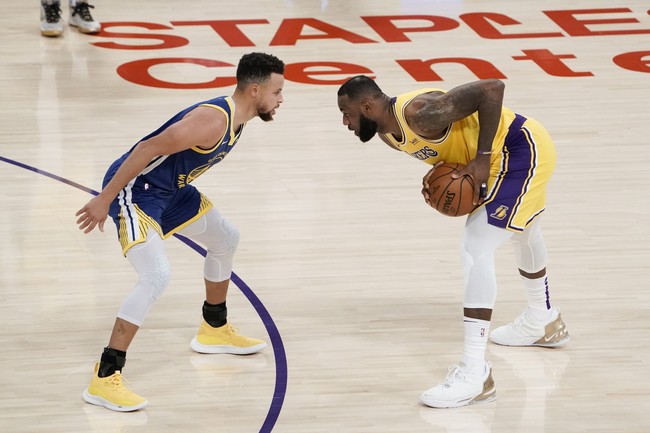
If the goal is one last legitimate run, Golden State makes a provocative kind of sense on paper. Reuniting with Steph Curry and Draymond Green taps into chemistry built at the 2024 Olympics and a shared understanding of championship-level play. The pairing would be TV ratings gold and would create instant title intrigue, giving LeBron a roster with shooters, playmakers, and a coach who knows how to manage star personalities. It would also be a narrative-rich way to chase one more ring without pretending youth is on their side.
Reality bites when you tally ages and wear and tear: LeBron at 41, Curry at 38, and Green at 36 is a trio that requires careful minutes management and a realistic timeline for contention. Longevity at that stage is less about athletic dominance and more about smart rotations, medical staff excellence, and role clarity. Expect load management to be a strategic centerpiece, not an afterthought, and expect supporting players to carry heavier defensive and scoring loads. Injuries, more than ego, will determine whether a late-career reunion can actually deliver a championship.
There’s also the philosophical angle: elite veterans joining each other late in their careers often trade explosive upside for playoff savviness. A team of seasoned stars can win with discipline, situational IQ, and execution even if it lacks a decathlete-level difference-maker on every night. If LeBron opts for Golden State, he is buying into a system that prizes spacing, decision-making, and experience. That path is less flashy than a young-squad rebuild, but it could be the clearest route to a short-term championship window.
Critics should remember that LeBron’s legacy is already massive and complex, so the move won’t rewrite everything, but it will affect this season’s competitive landscape. The choice between sentimental homecomings, comfortable returns to familiar markets, or a fresh, combative pairing with other veterans boils down to priorities: legacy, rings, or final chapters written for maximum drama. The sensible play would favor competitive context over headlines and temporary applause.
Meanwhile, the showmanship around the decision has wearied more than a few observers, especially when real-world logistics hang in the balance. Teams need roster clarity, players need to plan, and fans deserve something more decisive than a drip of vague teases. Make up your mind, LeBron. The league, the clubs, and the calendar all deserve better than a months-long guessing game disguised as a “process.”
“they said what?” remains a handy reaction to the cycle of quotes and spin that will follow any heavyweight move, and it’s also a reminder that spectacle can overshadow substance. Ronald Reagan’s line captures a related truth perfectly: “it’s not that our liberal friends are ignorant; it’s just that they know so much that isn’t so.” Such lines land because they underline how easy it is to confuse confidence for clarity. At the end of the day, clarity is what this league needs from its biggest star.



Add comment