
This piece examines the surprising absence of leaks around two high-stakes U.S. operations, considers what that says about operational discipline, and walks through the immediate political and legal fallout on Capitol Hill and in the courts while keeping a clear conservative perspective on executive action and national security.
Confidentiality matters, and not just in legal briefs. As a former litigator would tell you, certain information is entrusted to a limited circle and that circle must hold the line until orders are given to disclose. That discipline is basic to successful, sensitive operations and it is worth spotlighting when the usual noise machine goes quiet.
We just saw two major operations carried out with minimal public seepage beforehand: the June action on Iran’s nuclear facilities and the recent move to apprehend Nicolás Maduro. Both required precise coordination, timing, and secrecy to protect personnel and achieve objectives. The absence of leaks suggests the administration learned how to pair legal justification with operational security.
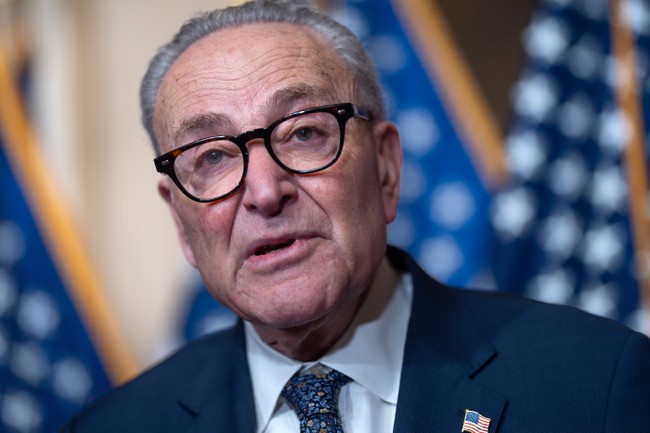
There’s a political reaction to this — predictable and loud from the left. Chuck Schumer and his allies are “caterwauling” that they weren’t briefed in advance. The complaints read like they assume the right to be told everything before action is taken, but that kind of pre-notification can jeopardize missions and lives. No advanced notice to Congress. No leaks. Coincidence?
Conservative voters should see a pattern: when national security trumps political theater, results follow. That is not to condone illegal behavior, but to recognize that where there is legal wiggle room and clear national interest, decisive action can be necessary. The goal is to protect Americans and act with purpose, not to placate every partisan critic.
On Capitol Hill, the calendar shows the usual bustle. Key committee members and the Gang of 8 will receive a classified briefing from top officials, mirroring how oversight is supposed to function without undermining operations. That kind of closed-door accountability preserves secrecy while allowing Congress to ask tough questions on the record once the dust settles. Transparency after the fact is often the most responsible course.
At the White House, the president is actively engaged in policy discussions back in D.C. and the administration is framing its actions as measured and legally grounded. Vice President JD Vance has been direct with critics, offering practical pushback to the left’s outrage and reminding folks that not every detail can be leaked or debated publicly before an operation concludes. Tough-minded leadership is part of restoring deterrence.
There’s also the court angle: Maduro faces arraignment in the Southern District of New York, which shifts this from purely tactical to judicial terrain. Courts have a role in weighing charges and process, and bringing a foreign adversary into the U.S. legal system raises complex questions about jurisdiction and evidence. The judicial timeline will now be a major part of the story over the coming weeks.
Watching how this unfolds, pay attention to two things: how quickly the administration marshals its legal case, and how effectively it translates classified findings into public evidence without compromising sources and methods. The balance between disclosure and security is delicate, but getting it right is essential to both winning cases in court and winning back public confidence in federal competence.
The media circus will try to frame every delay or refusal to disclose as evidence of wrongdoing. That’s politics, not national security. Responsible governance sometimes requires keeping plans close to the vest, and when executed properly that discipline prevents leaks that can unravel months of planning and put people at risk on the ground.
There’s a cultural lesson here for lawmakers too: bragging rights and early alerts are not superior to mission success. If Congress wants oversight, the pathway exists — classified briefings and post-action debriefs — but leaking ahead of time undercuts both oversight and the operation. Criticism after the fact is fair game; pre-spoiling is not.
Meanwhile, the public will see the fallout play out across multiple arenas — political, legal, and diplomatic. Allies and adversaries are watching whether the U.S. can act decisively and then defend its actions in courts and international fora. The administration’s ability to maintain operational silence until the moment of action sent a clear message: capability matters, and surprise is sometimes the most powerful tool.
Finally, a lighter note punctuates the coverage: cultural asides and viral moments keep things human amid geopolitics. Man’s indeed! That break in tone is helpful; it reminds readers that information warfare includes distraction and spin, so staying focused on facts and legal realities matters more than the noise that fills news cycles every day.

The two biggest ass leakers a Schumer and asshole Schiff and not far behind and on top is Taco Jeffries a corrupt thief just needs to be investigated on how he became a multimillionaire when he was almost bankrupt before getting his government position.
He definitely needs a financial colonoscopy into all his finances and assets. Forensic financial investigation needed immediately.
Just another democrat ghetto Boy hiding behind racism.