
The Houthis in Yemen are ratcheting up threats to strike the U.S. and Israel as Operation Epic Fury pressures Iran, and this piece examines why their brinkmanship is risky, why Iran may hold them back, and how regional powers are likely to respond.
The current clash around Iran and its proxies has changed the calculations for groups like the Houthis. Once useful as a regional tool for Tehran, they now face a far harsher environment where striking a neighbor could invite devastating retaliation. That shift matters because it changes the cost-benefit math for any proxy deciding whether to escalate.
Houthi rhetoric has grown louder in recent days, with leadership publicly claiming readiness to act if needed. Those statements are meant to telegraph deterrence to enemies and reassurance to allies, but they also risk provoking a response from states that have no appetite for half measures. In short, words alone can become the match that lights a much bigger fire.
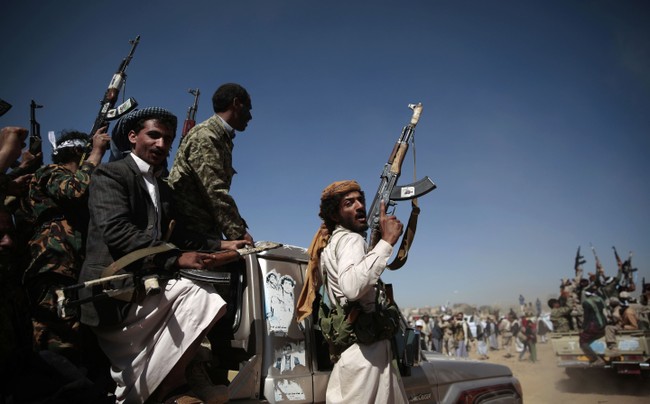
The Iran-backed Houthi terrorist movement has yet to enter the conflict on Iran’s side but in recent days has been ratcheting up its rhetoric in support of Tehran, with its leader, Abdul Malik al-Houthi, declaring that it was prepared to enter the war against the U.S. and Israel if necessary.
“Regarding military escalation and action, our fingers are on the trigger, ready to respond at any moment should developments warrant it,” al-Houthi said on Thursday.
“The reason why the Houthis have not intervened is they are last line of resistance for the axis. Especially after other axis members were degraded,” Nadwa Al-Dawsari, an expert on Yemen and an associate fellow at the Middle East Institute, told Fox News Digital.
From a Republican viewpoint, this is a test of resolve: back down and encourage more aggression, or send a clear, decisive message that attacks on allies will be met with force. Recent U.S. and Israeli actions suggest Washington and Jerusalem are willing to act with speed and precision. That reality should temper Houthi ambitions and remind Iran’s proxies that escalation carries heavy costs.
Strategically, the Houthis are in a bind. They are geographically positioned to harass Saudi Arabia and shipping routes, but any serious strike risks provoking a coordinated response from regional and Western powers. The Houthis’ asymmetric tactics can cause disruption, but they are no match for concentrated, modern military retaliation if they attempt a sustained campaign.
Iran appears to be trying to restrain its proxies for now, recognizing that a wider war could threaten the regime itself. That restraint looks pragmatic: if Iran’s leadership is worried about survival, it will avoid dragging proxies into a conflict that could accelerate collapse. The calculus in Tehran now seems to favor caution, at least until the regime has a clearer path forward.
Al-Dawsari, who has written extensively about Yemen and the Houthis, said: “I think the Houthis will intervene at some point. The longer the war continues, the more likely the Houthis will intervene. I think what the Houthis want to do — and they have been itching for a while to do — is to attack the Saudis. If the Saudis intervene, the Houthis will find a reason to attack the Saudis.”
If the Houthis choose to attack Saudi Arabia in earnest, they would be making a major miscalculation. History shows that regional actors facing existential threats often respond with overwhelming force to eliminate the danger quickly. A Houthi decision to press an offensive would likely trigger a comprehensive military and diplomatic campaign against them.
Al-Dawsari said another reason why the Houthis have yet to join the conflict is that it’s not in the interests of Iran’s Islamic Revolutionary Guard Corps (IRGC) “to drag the Houthis into a suicidal war.” She argues “If the Iranian regime collapses, and if a new regime emerges, I think the IRGC will regroup in Yemen or Somalia. Yemen is the key ally.”
The idea that Yemen could serve as a fallback or regrouping ground for the IRGC underlines the broader strategic stakes. For the United States and its allies, preventing Iran from using proxy sanctuaries is a critical goal. That objective explains why U.S. policy has shifted from cautious engagement to decisive action when necessary.
The most prudent move for Houthi leaders right now is to lie low and avoid tempting fate. Any misstep would not only endanger their forces but also risk escalating into a larger conflict that would devastate Yemen and further destabilize the region. Given the present alignment of forces, restraint is the only sensible option for a proxy facing modern militaries with global backing.


Add comment