
The article examines Everton Blair’s recent special election win in Georgia’s 13th District, the media hoopla about identity milestones, and a Republican critique that questions whether identity-based celebrations distract from competence and the urgent problems facing the country.
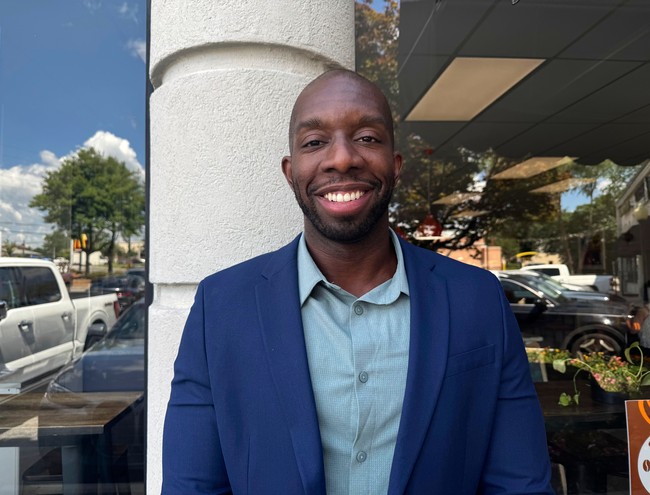
The final boss of “historic” candidates just won a special election in Georgia, and the reaction from Americans suggests the moment is less sensational than the headlines promise. Everton Blair captured the seat to finish out Rep. David Scott’s term, and outlets have hailed him as the “first black openly gay man to win a Congressional election in the South.” That label has been treated like a trophy by some, but many voters appear indifferent.
Former Gwinnett County School Board Chairman Everton Blair has won the special election to serve the rest of Rep. David Scott’s term in Georgia’s 13th District, NBC News projects, defeating the late congressman’s daughter.
Blair’s victory is an upset, as he trailed Marcye Scott during the first round of voting last month 46% to 38%. The two advanced from a crowded all-party special primary election in July after no candidate got a majority of the vote.
In Tuesday’s runoff, Blair led 53% to 47% with 92% of the expected vote tallied.
Blair supported a series of progressive policies, including a tax on households making over $50 million, “Medicare for All,” universal childcare and massive federal investments in clean energy synonymous with the Green New Deal push.
The Human Rights Campaign celebrated the result on social media, writing, “Everton Blair Jr. wins the special election runoff for Georgia’s 13th Congressional District, which means he will be the first Black openly gay member of Congress from the South. Congratulations to Everton Blair Jr. and his team on a successful campaign.” That message is intact and precise, but the broader public reaction shows muted engagement.
This election arrives after a long string of identity milestones: transgender representation in Congress, openly gay members in both chambers, a black president and vice president, black first ladies, and black Supreme Court justices. Those are real firsts and real achievements, yet many Americans no longer treat them as defining political events. Voters seem fatigued by the endless tallying of demographic checkboxes.
From a Republican perspective, the focus should be on policy and results rather than symbolic victories. The GOP critique here is straightforward: identity is a cheap credential that costs nothing and proves zilch about governing ability. What matters to taxpayers is balancing budgets, fixing failing schools, controlling borders, cutting crime, and curbing runaway spending.
https://x.com/HRC/status/2092416515941237190?ref_src=twsrc%5Etfw
Blair campaigned loudly for sweeping progressive policies: Medicare for All, universal childcare, big federal investments in clean energy, and higher taxes targeting the ultra-wealthy. Those proposals matter and deserve scrutiny on substance and consequences, not just elevation because of the candidate’s personal background. Voters should ask whether these plans will make life better for constituents in Georgia’s 13th District.
Americans face a national debt north of $40 trillion, mounting housing pressures, healthcare costs that squeeze families, and a federal government that often spends without clear results. Meanwhile, many believe Congress is failing at core responsibilities and that competence is scarce in Washington. That reality undercuts the value of framing elections as mere milestones.
An openly gay Republican could be a political breakthrough in certain contexts, but when identity becomes the headline, policy often fades. The concern among conservatives is that the left treats representation as an end in itself while ignoring performance. If people are truly equal under the law, they should be treated as equals in scrutiny, too.
There is a patronizing implication when every minority officeholder is expected to carry the symbolic burden of an entire community. Elected officials are agents of their constituents, not museum pieces to display progress. Voters hired Blair to represent their district and to be judged on what he does in office, not only on which demographic boxes get checked.
Identity politics also distracts from harder questions about competence and concrete accomplishments. It’s easier to trumpet a demographic first than to deliver meaningful reforms: balancing budgets, reforming entitlement programs, improving public safety, and making government work. Ultimately, those are the measures that will change people’s lives.
So the declaration here is blunt: the era of treating every victory as historic has worn thin. Media outlets can keep cataloguing milestones, but voters are increasingly focused on performance, not parades. If representation is common, treat it as common and demand the real work that follows.
Competence is harder than a headline. Washington needs officials who can deliver results, manage taxpayer dollars responsibly, and confront the serious challenges the country faces. That’s the standard every candidate should meet, regardless of background.



Add comment