
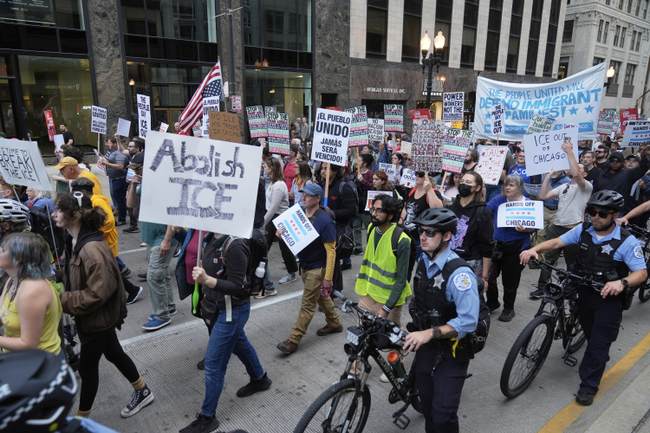
I’ll explain why many Black and Hispanic Americans are rejecting anti-ICE street actions led by affluent white liberals, point out the perceived hypocrisy in selective outrage, highlight respect for law enforcement in those communities, call out the white savior dynamic, and note the role of profitable outrage in modern politics.
At local protests I’ve witnessed, there’s a clear disconnect between who shows up and who these demonstrations claim to represent. Plenty of people of color simply do not want their names attached to chaotic, viral-driven stunts aimed at undermining immigration enforcement. For many, the priority is safe neighborhoods and functioning institutions, not performative drama that leaves communities less secure.
People who live in neighborhoods where violence and loss are routine have little patience for what looks like moral grandstanding from outsiders. Moving to quieter towns or rural areas is one common response; families want calm and a predictable rule of law. Arms and readiness for self-defense are choices some make when they feel law enforcement and order are more dependable than protest-led reforms.
Social media has amplified the split. There are videos on X and TikTok where everyday Black and Hispanic voices say plainly this is not their fight. Many prefer to stay away from protests that invite confrontation and possible violence. That avoidance is a political statement: they will not be dragged into symbolic battles that don’t reflect their priorities.
The contrast in reactions to different tragedies is striking to many conservatives of color. There were few persistent national demonstrations over several high-profile murders of white women and children attributed to illegal entrants, yet anti-ICE protests erupt with passionate coverage when the framing fits a preferred narrative. That inconsistency breeds suspicion about motives and sincerity.
Not every death becomes a catalyst for outrage, and people notice which stories get amplified. That selective energy suggests movements pursue attention and momentum more than a consistent standard of defense for innocent victims. For those whose daily lives are at stake, viral content and influencer-friendly footage are poor substitutes for effective public safety policy.
@samuraiblitzt333 Dear White Liberals #liberals #fyp #reels #viralvideo #viral ♬ Storytelling – Adriel
Respect for law enforcement remains common among many Black and Hispanic families. That respect often comes from lived experience and family ties to officers who risk their lives on patrol. Calls to defund or demonize police sit poorly with communities that depend on steady policing to protect homes and businesses.
Escaping a city gripped by unrest is not a betrayal of community; it is a pragmatic choice. People who left noisy protest zones did so to avoid constant danger and instability. When affluent white liberals travel in to provoke confrontations and then return to safer suburbs, it looks less like solidarity and more like a temporary thrill that leaves long-term problems in place.
Language matters. The phrase “We don’t want your smoke, so DON’T bring it to us” captures a lot of this sentiment and should not be dismissed as rudeness. It signals a refusal to be tokenized in campaigns that prioritize optics over outcomes. Those words are a blunt, direct boundary drawn by people who prefer practical solutions to performative protest.
The market for outrage is real. Political operatives, influencers, and media outlets can all profit from framing tragedies to fit a campaign narrative. Fundraising and click revenue can turn grief into a commodity, and that distorts incentives. People who see money and careers riding on outrage naturally question the purity of the motives behind some demonstrations.
When a family benefits financially from a narrative and that story is treated as political capital, skepticism grows among those who want measured justice rather than spectacle. The optics of profiteering undercut claims of moral leadership and deepen the gap between activists and the communities they claim to represent. That erosion of trust makes cooperation far harder.
Many in Black and Hispanic communities want immigration enforced humanely and the law upheld. They want their neighborhoods safe and police empowered to do their jobs without being vilified for enforcing order. Those positions do not fit easily into the current protest-driven playbook, which is why you see few of these communities lining up behind anti-ICE caravan-style actions.
If activists want genuine alliances, the work must start with listening instead of lecturing. Real partnership requires acknowledging differing priorities and stopping the pattern of parachuting in for a photo op. Otherwise, a lot of energy will be wasted on short-term theater that produces headlines but few long-term improvements.
For those watching from outside these communities, understand this: respect for law, safety for families, and skepticism of performative politics are driving choices right now. That is the heart of the rejection of many anti-ICE protests led by affluent white liberals. People of color are not obligated to join every trending cause, especially when it conflicts with their own sense of security and common sense.
WATCH:
Both of these women make the critical point: this is a lucrative business all around, and there are too many people profiting from outrage that solves nothing and in the end, leads to deaths like Renee Good’s. You have Democrats fundraising off this madness, burnishing their campaign videos for the 2026 midterms. It’s still a free country where one can capitalize on fake narratives, outrage, and senseless deaths.
We ain’t about that life.
This woman also says it rightly: “The audacity is insane.”


Add comment