
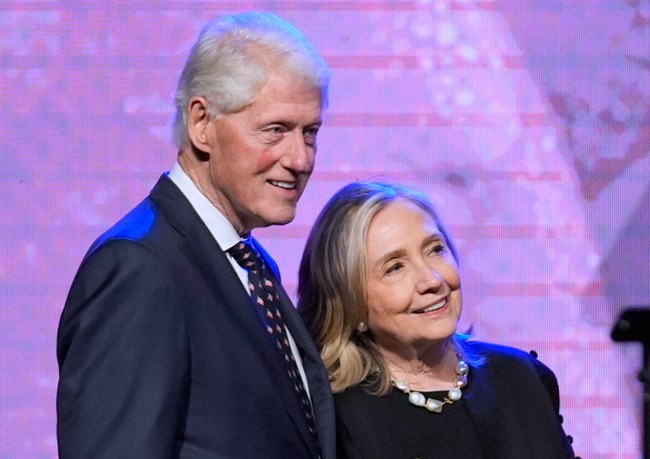
Former President Bill Clinton and former Secretary of State Hillary Clinton both gave depositions recently tied to the Jeffrey Epstein matter, and Bill Clinton later issued a written opening statement and a short video response that drew sharp reactions. He pushed familiar themes about the rule of law and concern for survivors, while critics called the tone self-righteous and the timing convenient. This piece walks through the key claims, the context of a rare subpoena for a former president, and the public reaction that followed.
The week began with Hillary Clinton sitting for a deposition before the House Oversight Committee, answering questions about connections to Jeffrey Epstein. The next day, Bill Clinton appeared for his deposition in Chappaqua, New York, marking an unprecedented moment: a former commander in chief compelled to testify to Congress in this format. He distributed a written opening statement ahead of the interview, and later posted a short video addressing the public about the experience.
In his video and written remarks, Clinton leaned into broad, solemn language about institutions. He said, “[N]o person is above the law, even presidents, especially presidents,” and invoked a respect for the Constitution and “truth and justice.” Those lines were meant to position him on the high ground, signaling deference to legal process while simultaneously attempting to frame the situation as principled and routine for people accustomed to public scrutiny.
Observers, especially conservative critics, saw a different message beneath the rhetoric. The tone came off as smarmy to many on the right, a canned moral posture that missed the mark because it felt performative rather than contrite. Where Clinton once had an uncanny ability to command a camera, critics said he no longer projects that persuasive warmth, and the video only underscored the gap between presentation and accountability.
Clinton’s remarks also included an appeal to compassion for the victims linked to Epstein, a line that drew skepticism. For critics it rang hollow given the scale of Epstein’s crimes and the swirling questions about who knew what and when. The insistence that subpoenaing people with potential ties to Epstein is “simply not right” was read by many conservatives as tone-deaf, especially when paired with the refrain that no one is above the law.
The optics matter here. A former president being hauled before Congress over alleged ties to a serial predator is a historical rarity, and the public expects clarity and candor, not platitudes. Republicans arguing for tougher oversight framed the depositions as overdue accountability. They stressed that symbolic statements about the Constitution do not replace transparent answers or cooperation with investigators exploring how Epstein operated and who might have enabled him.
On the political front, this episode feeds into larger narratives about elite immunity and selective outrage. For Republicans, the Clintons symbolize a political class that often dodges consequences, and the depositions offered a platform to push that point. The public exchange also highlighted how legal process and political theater can overlap, with each side interpreting pauses, phrasing, and emphasis as evidence of guilt or innocence.
Social media and partisan outlets quickly amplified reactions. Supporters of the Clintons tried to focus attention on the procedural aspects and the claim that justice processes should be respected. Opponents seized on the video’s tone and timing as proof of an establishment figure attempting to reset the narrative. That polarization made it hard for neutral observers to sort sincere legal cooperation from damage control.
Beyond immediate political spin, there are real questions about institutional responsibility. Congress has a duty to investigate serious allegations, and when witnesses include former high-level officials, the public has a right to know what steps were taken and by whom. The depositions are one part of a broader effort to piece together Epstein’s network, and they’ll likely be dissected in hearings and reports that follow.
For now, Bill Clinton’s written and video statements sit as a calculated attempt to shape the story: affirm respect for the law, express concern for survivors, and cast subpoenas as unfair. Whether that approach satisfies those demanding answers depends on what the depositions reveal and how forthcoming witnesses prove to be. The political fallout will keep this matter in the headlines as oversight presses on and public skepticism remains high.
Let’s leave the last word to those who track the Clintons closely and will continue to analyze every line and gesture as the investigation proceeds.



Add comment