
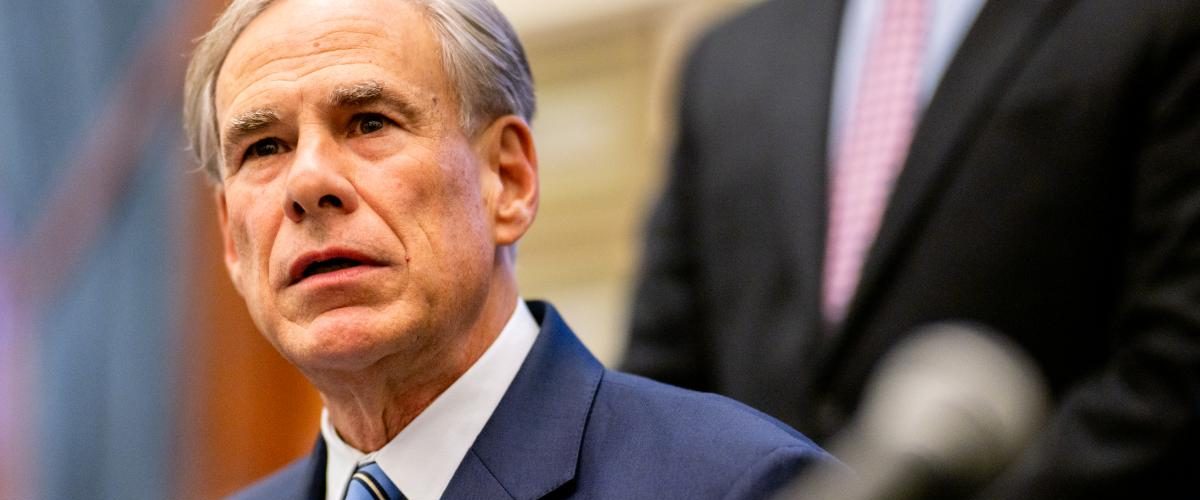
Governor Greg Abbott of Texas has taken a bold step, filing an emergency petition with the state Supreme Court to remove state Representative Gene Wu from office. This move follows Wu’s decision, along with other Democrats, to leave the state in an effort to block the passage of a Republican-favored redistricting bill. Abbott contends that Wu’s actions violated the Texas Constitution, as he failed to fulfill his constitutional duties by not attending the vote.
Abbott’s filing argues that attending the legislative session is a constitutional requirement, and Wu’s departure essentially renounced this obligation. The petition describes Wu’s actions as an intentional breach of his constitutional duty by fleeing the state. According to Abbott, this is a clear case of abandoning office, as Wu deliberately prevented the Legislature from functioning effectively.
In response, Wu has rejected the notion that he abandoned his office. He insists that his decision to leave was a fulfillment of his oath, not a violation. Wu’s stance is that refusing to participate in what he sees as a corrupt process is his constitutional responsibility.
Wu has been vocal about his perspective, stating that Governor Abbott’s attempts to push through what he calls a “racist gerrymandered map” are what prompted his actions. He asserts that denying the governor a quorum was necessary to uphold his constitutional duty. Wu claims Abbott’s legal action is an attempt to silence his opposition rather than address the issues at hand.
Texas Attorney General Ken Paxton, a Republican, has hinted at potential legal action following the controversy surrounding the redistricting bill. The Texas House Republicans will make another attempt to reach a quorum on Friday, having failed on both Monday and Tuesday. The political drama continues to unfold, with high stakes for both parties involved.
The governor’s petition is part of a broader strategy to ensure the Republican agenda advances in Texas. Abbott’s actions reflect a commitment to enforcing the rules and holding lawmakers accountable for their responsibilities. This situation has highlighted the deep political divisions within the Texas legislature.
Wu’s defiance has garnered significant attention, as he frames his actions as a stand against what he perceives as unjust policies. His statements emphasize a refusal to cooperate with efforts he believes are detrimental to democracy. This narrative has resonated with many who support his cause.
The legal battle now moves to the Texas Supreme Court, where the outcome could have lasting implications. Abbott’s approach is rooted in a belief that the rule of law must prevail, even amid political disagreements. The governor’s allies argue that maintaining order and following constitutional mandates are paramount.
Critics of Wu’s actions view his departure as an irresponsible and politically motivated stunt. They argue that elected officials have a duty to participate in legislative processes, regardless of personal disagreements. This perspective underscores a belief in the importance of legislative participation and accountability.
As the parties await the court’s decision, the tension between upholding constitutional duties and taking a stand against perceived injustices remains at the forefront. Abbott’s petition is seen by supporters as a necessary measure to restore order and uphold the integrity of the legislative process. The unfolding legal and political saga continues to capture the attention of Texans and observers nationwide.
The backdrop of this controversy involves broader debates over redistricting and representation. Supporters of Abbott’s position argue that the proposed map is fair and necessary for future electoral success. This clash over redistricting reflects ongoing national conversations about the balance of power and voter representation.
Wu’s actions have sparked discussions about the role of lawmakers in challenging policies they oppose. His supporters view his decision as a courageous stand for democratic principles. However, opponents see it as a dereliction of duty, emphasizing the need for lawmakers to work within the system to effect change.
The coming days will reveal how this legal challenge unfolds and what impact it may have on Texas politics. The situation serves as a reminder of the complexities and challenges inherent in the political process. As the debate continues, both sides remain steadfast in their convictions and strategies.
M𝐲 𝐛𝐞𝐬𝐭 𝐟𝐫𝐢𝐞𝐧𝐝 𝐞𝐚𝐫𝐧𝐬 𝐨𝐯𝐞𝐫 $𝟐𝟕𝐤 𝐚 𝐦𝐨𝐧𝐭𝐡 𝐝𝐨𝐢𝐧𝐠 𝐭𝐡𝐢𝐬 𝐚𝐧𝐝 𝐬𝐡𝐞 𝐜𝐨𝐧𝐯𝐢𝐧𝐜𝐞𝐝 𝐦𝐞 𝐭𝐨 𝐭𝐫𝐲. 𝐓𝐡𝐞 𝐩𝐨𝐭𝐞𝐧𝐭𝐢𝐚𝐥 𝐰𝐢𝐭𝐡 𝐭𝐡𝐢𝐬 𝐢𝐬 𝐞𝐧𝐝𝐥𝐞𝐬𝐬.
𝐂𝐎𝐏𝐘 𝐀𝐍𝐃 𝐎𝐏𝐄𝐍——– HighProfit1.Com