
This piece reports on a recent poll showing broad public backing for U.S. military strikes against drug-smuggling boats, highlights partisan splits in the data, quotes the poll questions and findings directly, and notes the larger question of whether escalation against nations that harbor cartels would gain similar support.
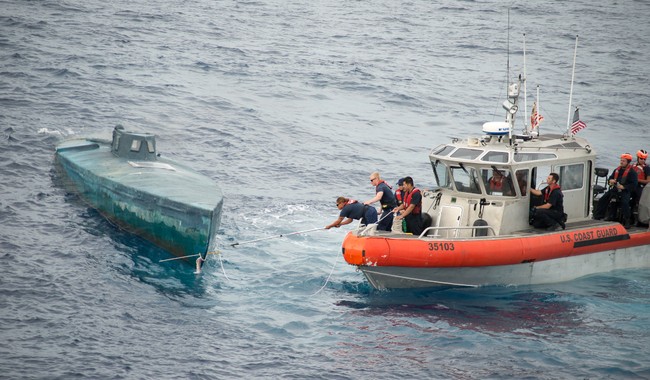
The U.S. military has been striking cartel speedboats in the Caribbean and Pacific, and that reality has stirred debate in Washington. From a Republican perspective, these strikes are framed as necessary, decisive action to protect Americans from fentanyl and other narcotics pouring into our communities. Critics predictably howl, but the public mood looks different from elite commentary.
I&I/TIPP asked respondents: “The U.S. military has been destroying boats in the Caribbean and Pacific carrying illegal drugs from Venezuela and Colombia that are blamed for many American deaths. Do you support or oppose these air strikes to stop shipments of illegal drugs, including fentanyl and similar narcotics?”
Support was strong across the board, with 60% favoring the policy “strongly” (37%) or “somewhat,” while just 28% opposed it either “strongly” (16%) or “somewhat” (12%), and another 12% saying they weren’t sure.
Republicans were strongest in backing the policy, with 82% saying they support it, and just 9% saying they oppose it. Independents and third-party members were also strongly behind the policy, with 50% supporting and 35% opposing.
But even the Democrats didn’t oppose it. They split evenly, with 45% in support and 45% in opposition.
Those numbers are striking because they show consensus around enforcement rather than hand-wringing about doctrine. Republicans back the strikes overwhelmingly, which aligns with a platform that privileges border security, law and order, and blunt responses to threats. Independents tilt toward support, which suggests this is not merely a partisan talking point but a public safety concern that crosses party lines.
Polling like this forces a practical conversation: do strikes deter cartels or merely disrupt shipments temporarily? The public seems willing to accept forceful measures if they reduce deaths and addiction across the country. From a Republican angle, this also underscores frustration with foreign regimes that enable cartels and with domestic officials who fail to stop the flow at the border.
Here are the :
Digging into the subgroups matters. Among Republicans, 82 percent support sinking the boats, with 60 percent saying they strongly support that approach. Only a tiny share oppose it, and a handful remain unsure. That intensity matters politically because it signals voter appetite for tough policies on smuggling and fentanyl trafficking.
The independent cohort shows a more mixed but still favorable picture: half back strikes while a substantial minority oppose them. Independents are often the swing voters whose real-world concerns can move public policy, and their support suggests that leadership can act without being punished at the ballot box. Democrats are split, which is noteworthy given the media focus on elite Democratic objections.
The headline numbers for the whole sample show 50 percent support and 28 percent opposition, with 12 percent undecided. Those figures give any administration breathing room to argue that the public wants effective, even kinetic, measures against cross-border smuggling. The data here does not demand caution; it authorizes action in the eyes of many voters.
Another poll item asked about escalation to include nations that tolerate cartels within their borders, and the answers there were revealing. The question probes a more consequential policy: is the public ready to back broader military options if strikes alone fail to stem the flow? The reply leans toward yes, though with more uncertainty and risk-awareness.
I&I/TIPP then asked a follow-on question about escalating the attacks: “If these air strikes do not stop the flow of drugs, would you support broader military action against the nations that allow drug and smuggling cartels to operate within their borders?”
Once again, support was solid, with 57% saying they would back such a move either “strongly” (33%) or “somewhat” (24%), compared to 27% who would oppose it either “somewhat” (12%) or “strongly” (15%). Another 16% weren’t sure.
Big military moves require sober judgment and clear objectives, and no one should pretend polls alone should drive decisions about putting troops in harm’s way. Still, elected leaders who favor tougher action can point to these numbers as evidence the public understands the stakes and is willing to accept strong measures to protect communities. That has real political weight.
If the administration chooses to escalate, it will have to justify the step on strategic grounds, protect service members, and craft an exit plan that actually weakens trafficking networks. The poll suggests the American people may back such a course if it meaningfully reduces the flow of deadly narcotics into the country and restores deterrence against narco-regimes.

Add comment