
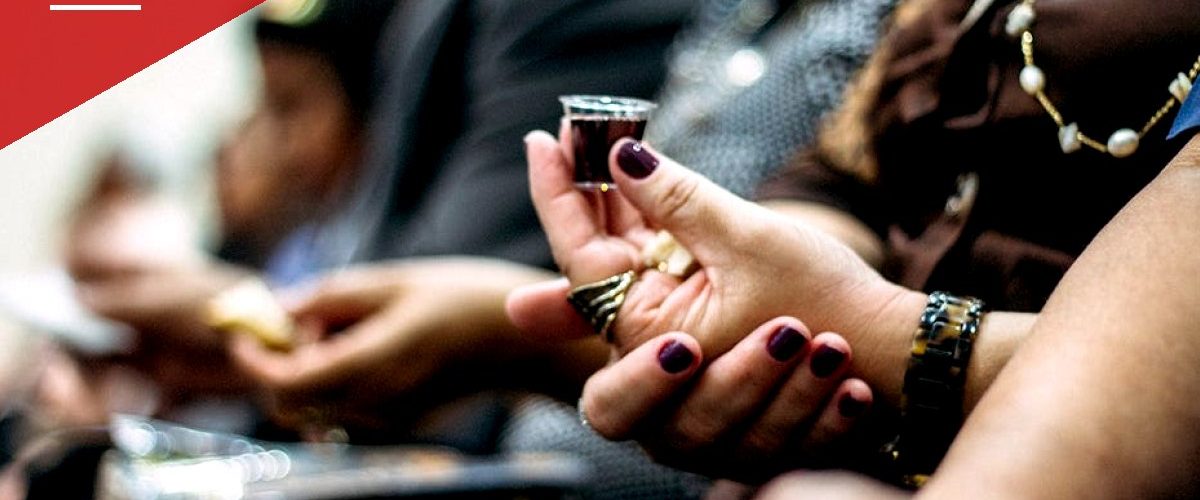
The share of Catholic adults in the United States who say they drink alcohol has fallen to 55%, according to a new Gallup analysis by researcher Frank Newport. That figure is down sharply from the 2002–2004 period, when 79% of Catholics reported drinking. Over that same stretch, self-reported drinking among Protestants held steady at 54%.
“Drinking has dropped significantly within both the group of those who have no religious identity and, in particular, among Catholics,” Newport wrote in the report.
But scientists who study alcohol’s effects on the body urge caution before reading too much into the subgroup numbers. Dr. Joshua Gowin, an associate professor in the Department of Radiology at the University of Colorado Anschutz Medical Campus, said self-reported survey data can shift based on who happens to be sampled.
“There’s definitely a general pattern of alcohol use decreasing across groups,” Gowin told Fox News Digital. “As far as the subgroups go, it wasn’t clear or necessarily compelling to me that one group was showing a broad trend that wasn’t reflected in the other groups. It seemed like really only one data point showed that effect … which made me a little skeptical that this is a broader phenomenon versus a single survey sample.”
Even with that caveat about isolating any one religious group, researchers broadly agree that Americans overall are rethinking moderate drinking. Gallup found that most Americans now consider moderate drinking — one or two drinks a day — bad for their health. Among Catholics, 52% hold that view, compared with 56% of Americans with no religious affiliation and 48% of Protestants.
Gowin said that shift tracks with decades of accumulating research. “Twenty years ago, there was still kind of a push and pull between some benefits of alcohol and then some things that even then we knew were potentially harmful,” he said. “Over time, we’ve gotten a lot more clarity on the things that are bad for our health … the balance has just shifted more in favor of the evidence for negative health effects.” He pointed to large-scale neuroimaging studies that consistently tie higher alcohol consumption to reduced brain volume.
Researchers also point to broader social changes — including shifts in how and whether people gather, and rising rates of loneliness — as factors reshaping drinking habits, since much of the country’s historical alcohol consumption has happened in group settings.
Still, a decline in casual or social drinking does not mean the country’s alcohol problems are disappearing. Gowin flagged what he called a contradiction in the data: even as the overall share of Americans who drink has fallen, alcohol-related deaths have risen in recent years. “It’s not like the serious problems have gone away,” he said.



Add comment