
Checklist: summarize Freddy’s journey; describe his Tennessee hospitality and firearm experience; note his Nashville and Grand Ole Opry visit; keep the exact quoted passage and all embed tokens in place.
Freddy, the World Cup tourist from Germany, kept exploring America and found a slice of life that clearly surprised and delighted him. He spent time in Tennessee with locals, experienced backyard shooting and small-town openness, then moved on to Nashville where a patriotic moment at the Grand Ole Opry left him cheering. Along the way he enjoyed food, friends, and a string of candid, human interactions that showed a different side of American culture. This piece follows that trip, the people he met, and the moments that stuck with him.
In Tennessee, Freddy encountered a brand of hospitality that felt unfamiliar and immediate to him. He was invited into private yards, sat around with people who treated him like one of their own, and even tried out firearms with a family he had just met. The experience left him impressed by both the weapons and the casual way locals used them, explaining the backyard felt huge and welcoming. He summed up that reaction in a single cheer: “Freedom!”
The trip included downtime and simple pleasures: a boat on a lake, cooked chicken wings, and evenings spent talking until late. One host admitted he had not locked his door in 23 years, a detail that stuck with Freddy as emblematic of trust and neighborliness. Those small, everyday gestures shaped Freddy’s impression more than any tourist attraction could. He kept pointing to how doors and hearts seemed open in ways he had not seen before.
Warning for graphic language:
https://x.com/WhiteHouse/status/2077438228626329999?ref_src=twsrc%5Etfw
Freddy also noted practical concerns on the road, like warnings from friends about a local stomach bug tied to a favorite fast-food chain. They steered him to grocery deli subs instead, and the group adjusted plans when someone fell ill and needed rest. Those little shifts showed how travel plans bend around real life, and how a team’s comfort and health can steer the itinerary. Despite setbacks, the spirit of the trip stayed upbeat and communal.
When we got back to the dock late that night, one of the guys on the boat said something that really stuck with me:
“You don’t have to live in some big, exciting city. What matters is the people who live there. That’s what makes you happy. I’ve lived in many places around the world, but nothing comes close to Ocoee, Tennessee. And you know the best part about living here? We’re going to do the exact same thing again tomorrow.”
From lakeside chats to impromptu gatherings, Freddy kept discovering people who valued consistency, friendship, and simple routines. Those conversations felt like a lesson in what sustains communities beyond the flash of tourist moments. He described a rhythm where neighbors recreate the same good days over and over, finding value in repetition and the safety of known faces. It made a lasting impression that seemed to shape his broader view of American life.
After the Smokies and Ocoee stops, Freddy and his crew traveled toward Nashville, a city with its own soundtrack and sense of showmanship. He picked up a pair of boots from a country singer and teased about where the road would take them next. The boots became a small token of the Nashville welcome and the way music and celebrity can add flavor to a traveler’s story. Those details helped bridge the rural authenticity he had seen with the more public, performance-driven culture of Music City.
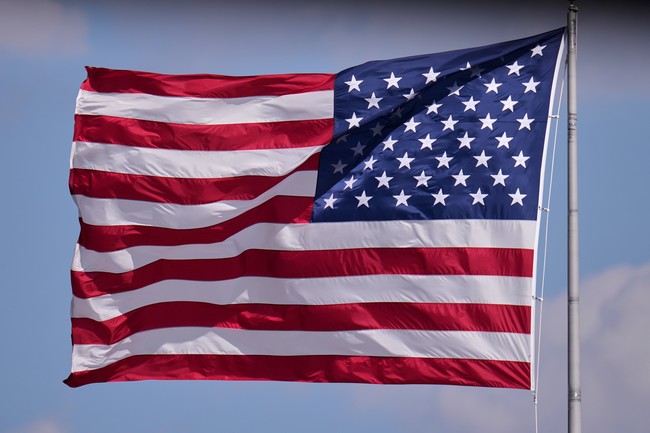
At the Grand Ole Opry, Freddy found himself in what he called the “ultimate country music experience.” There, amid the lights and the crowd, a patriotic moment arrived that felt both spontaneous and sincere. The audience rose for the “stand up” section and sang along to “Proud to Be an American,” and Freddy joined in, shouting, “God bless the USA!” That reaction was genuine and immediate, connecting the visitor to a long-standing American tradition of public patriotism.
The sequence of visits—from backyard shooting practice to communal meals to a packed Opry stage—read like a string of human moments rather than a checklist of attractions. Freddy’s story underscores how travel can be less about monuments and more about the people you meet and the customs they share. He left Nashville with new memories: boots, songs, and an affirmation of a kind of patriotic joy that can feel contagious in the right setting. Those experiences, small and large, shaped his journey and the way he talked about America.
Grateful and entertained, Freddy’s trip serves as a reminder that travel can reveal unexpected friendships and cultural moments you won’t find in guidebooks. He kept pointing back to the folks who hosted him and the simple repetition of good days as the real highlight of his trip. Everywhere he went, the emphasis landed on human connection, shared routine, and the freedom to celebrate what matters to a community. That combination made his visit memorable and distinct from the usual tourist narrative.
Then he had a truly “cool moment” with “Proud to Be an American,” as everyone stood at the “stand up” part. “God bless the USA!” Freddy cheered.



Add comment